The Story
Why it exists.
The beginning
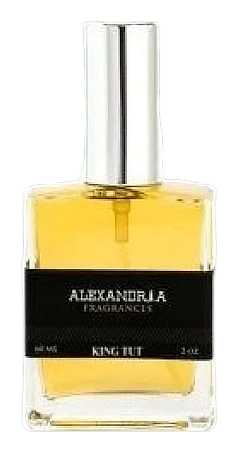
Perfumer Hany Hafez grew up in Cairo surrounded by the aromatic traditions of Egyptian markets and perfumery houses that have operated for generations. When Alexandria Fragrances launched in Anaheim in 2017, Hafez was tasked with creating a fragrance that could honor the house's ambition to blend natural extracts with quality synthetics. King Tut emerged as a statement piece, named for the young pharaoh whose tomb revealed unprecedented treasures. Hafez drew on childhood memories of incense-heavy souks and the golden light that saturates Egyptian afternoons, translating these sensory impressions into a fragrance that opens with citrus brightness before revealing layers of floral opulence and warm, resinous depth.
Hany Hafez's approach to King Tut reflects a philosophy that balanced extracts from his Egyptian heritage with the modern materials available through Alexandria Fragrances' synthesis capabilities. The citrus opening honors traditional cologne structures while the heliotrope and patchouli combination in the heart represents a deliberate tension between powdery sweetness and earthy groundedness. The drydown's vanilla and cognac pairing was chosen specifically for its ability to evoke warmth and luxury without relying on the oud that dominates many oriental fragrances.
The evolution
The fragrance begins with a sharp, aristocratic citrus opening that immediately signals quality. Lemon and bergamot arrive tog ether, their brightness almost immediate, while neroli adds an understated floral complexity within the first minutes. As the top notes evaporate over the first hour, the heart asserts itself with remarkable clarity. Heliotrope brings its distinctive powdery, almost almond-like sweetness while rose and geranium contribute lush floralcy that feels both romantic and formal. Patchouli, positioned as a bridge between heart and base, prevents the florals from floating away by grounding them with earthy, slightly bitter depth. Jasmine arrives last in the heart sequence, adding a heady, indolic richness that prepares the wearer for the drydown's warmth. The base notes emerge gradually, with vanilla and cognac creating a boozy, gourmand quality that feels indulgent without being sweet. Sandalwood extends the fragrance's longevity while tobacco and ambergris provide a smoky, animalic finish that speaks to ancient rituals and royal excess.
Cultural impact
Since its 2017 debut, King Tut has been noted for its homage to Roja’s Creation‑E, earning a niche following among fans of modern oriental fragrances. Wearers often cite its ability to evoke an Egyptian tableau, making it a go‑to for themed events and night‑time gatherings, while its strong sillage ensures it stands out in the crowded niche market.