The Story
Why it exists.
The beginning
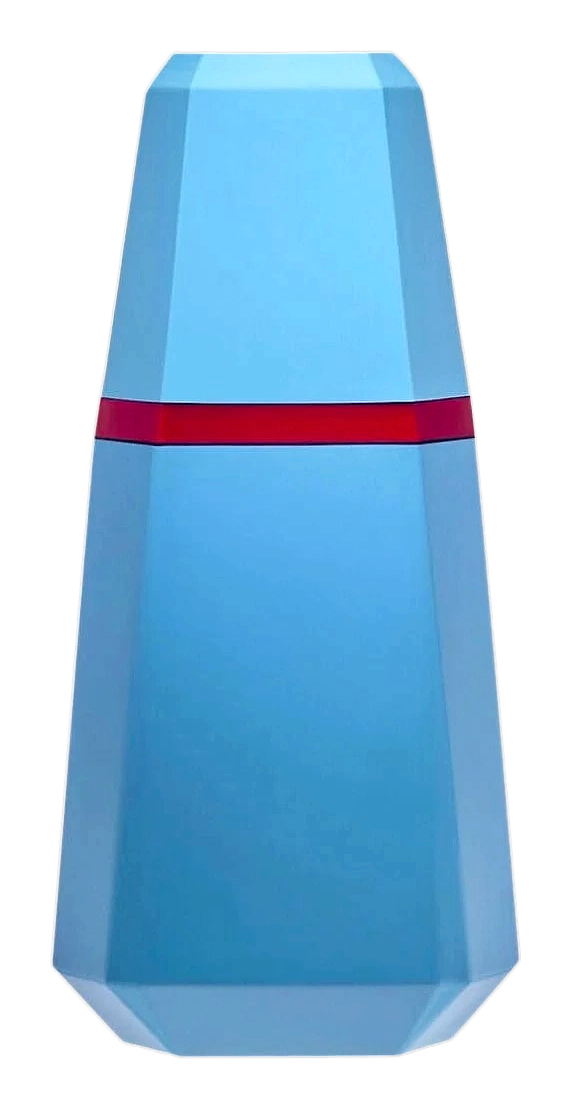
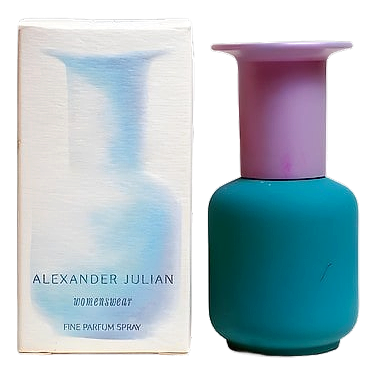
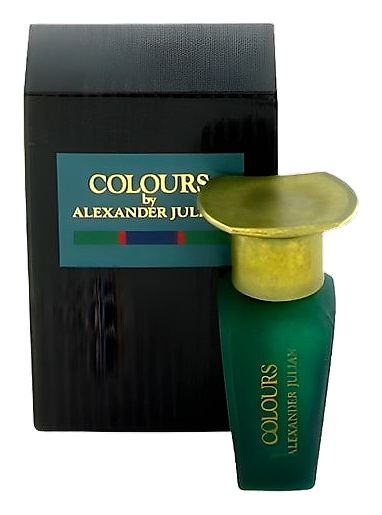
Colours arrived in 1993 as a fragrance by Alexander Julian, listed alongside Colours for Men and Womenswear among his scent portfolio. Julian had spent years building his reputation through his work in fashion, and Colours marked his entry into the fragrance world. The scent takes the visual language of color and pattern and translates it into something liquid, moving from the eye to the skin. Where Julian's design work plays with bold combinations and a careful eye for proportion, Colours offers a wearable equivalent: a composition meant to be noticed up close rather than across a room. It is, in essence, a designer's palette rendered in scent, with each note chosen to sit in conversation with the others rather than to shout for attention on its own.
The composition leans on aldehydes, a classic perfumer's tool for adding sparkle and lift, paired with a broadly sketched floral-fruity heart. That combination places it in a familiar family of soft, expressive fragrances built around accessible femininity rather than bold statement-making. Aldehydes are synthetic notes that bring a soapy, effervescent brightness to whatever surrounds them, and here they do exactly that work: lifting the florals, adding a clean shimmer that keeps the sweetness from collapsing into something syrupy.
The evolution
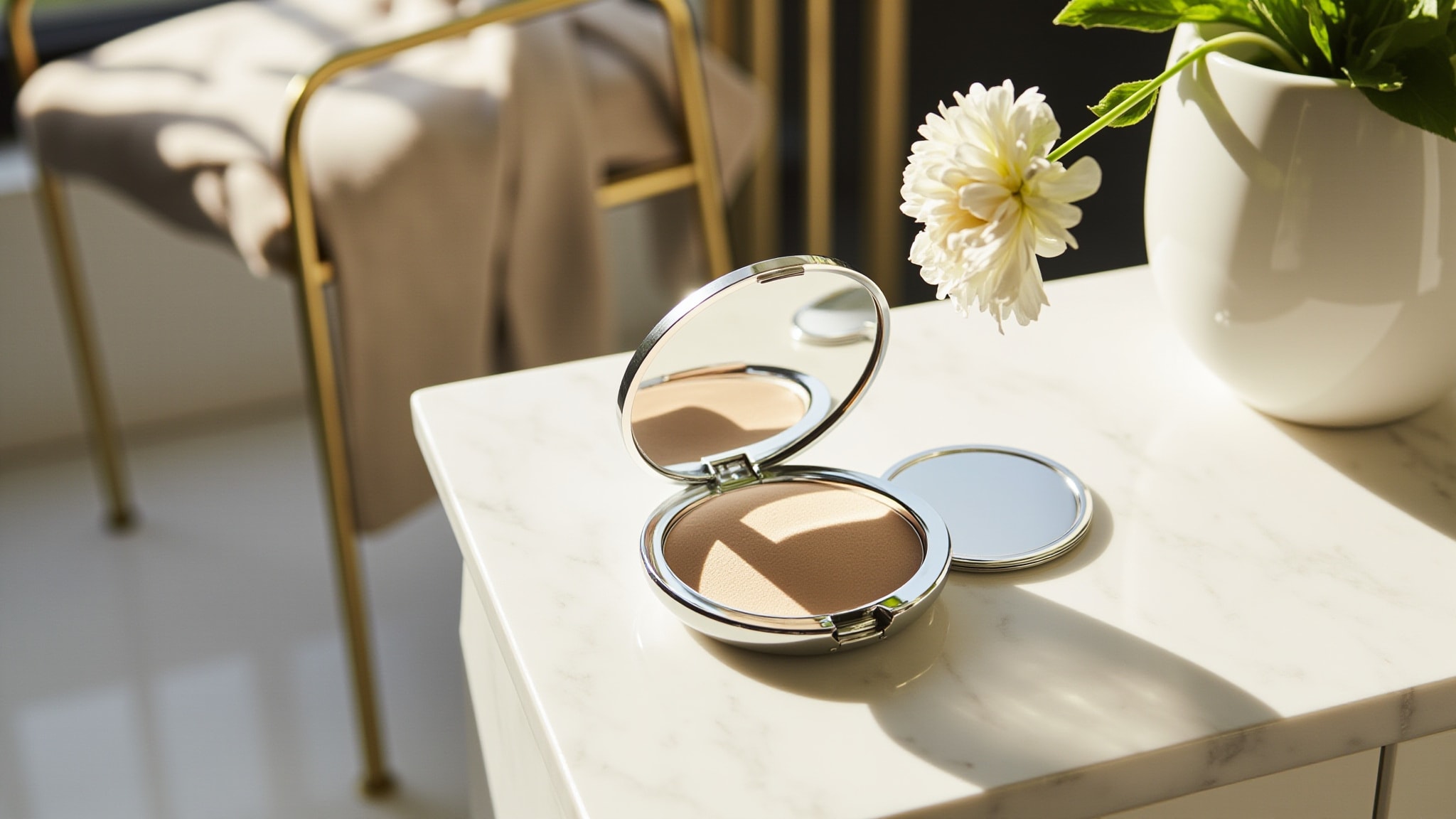
The aldehydes hit first, bright and almost metallic, catching the light the way a freshly opened compact does. That sparkle doesn't linger in its raw form. Within minutes it softens, absorbed into a wash of florals and fruit that smells less like individual flowers than like the memory of a bouquet left on a dresser. The fruity notes bring a sweetness that keeps the aldehydes from feeling austere, turning what could have been a cold, soapy opening into something warmer, more inviting. As the hours pass, the aldehydes don't disappear so much as dissolve into the florals, creating a powdery, slightly soapy softness that clings to skin and fabric for the better part of a day. The floral heart gradually loses its individual outlines, blending into a single creamy impression where rose and jasmine become difficult to separate.
Cultural impact
Colours arrived in 1993, joining a fragrance market populated by designer scents aimed at women who wanted something expressive without being heavy-handed. Its combination of aldehyde brightness, soapy-clean sweetness, and a powdery floral heart made it an easy composition to wear, the kind of scent that fits into a daily routine as comfortably as it fits into an evening out. Where some aldehydic florals can read as formal or cold, Colours leans warmer and more forgiving, trading sharp edges for a softer landing on skin.