The Story
Why it exists.
The beginning
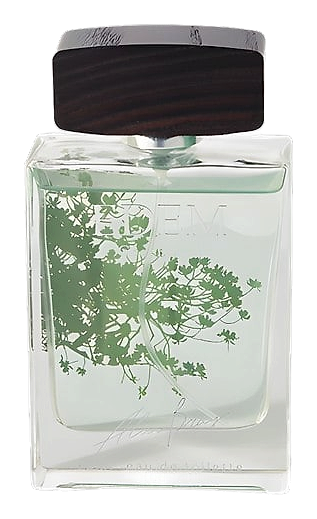
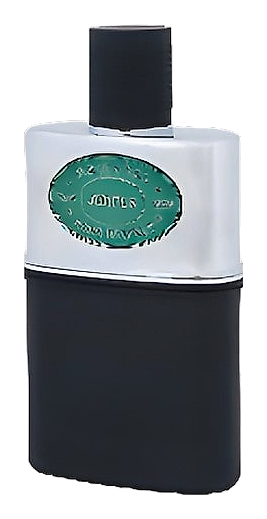
Released in 2012, Jungle stands as one of Alan Bray's most considered green compositions, and its DNA reveals a perfumer drawn to contrast. Bergamot anchors the structure, chosen for the way its bright, almost metallic lift cuts through heavier green materials. That tension between brilliance and depth runs through every layer of the formula. The top notes pair bergamot with cardamom, setting up a crisp, slightly spicy freshness that readies the wearer for what follows. Once the citrus brightens the air, the heart unfolds into a grassy, faintly floral middle that leans into the damp, vegetal quality of living leaves rather than dried herbs. There is nothing sweet in Jungle, no comforting gourmand softness to lean on, and that austerity is precisely its appeal.
What sets Jungle apart from its peers is its refusal to soften its edges with familiar gourmand textures. Most green fragrances released in the same era borrowed liberally from sweet accords, layering vanilla, honey, or amber bases to make the greenery more wearable. Bray resisted that impulse. Instead, the heart unfolds with grassy and floral tones that keep the composition honest to its verdant core, and the base of cedar and musk grounds everything without tipping into the powdery or the sweet.
The evolution
Since its 2012 debut, Jungle has held a steady place in the rotation of wearers who reach for green fragrances as a kind of personal reset, a way to start the morning with something sharp and clarifying rather than rich or indulgent. Its longevity sits comfortably in the moderate range, with the citrus-forward opening giving way to the grassy, floral heart over the first hour, and the cedar-musk base settling in for the long haul. Skin chemistry can shift the balance, but the general arc remains consistent: bright at first, greener by the middle hour, dry and quietly woody as evening approaches. The fragrance behaves well in transitional weather, particularly in spring and early autumn, when cool air gives the grassy notes room to register without overwhelming.
Cultural impact
Jungle occupies a distinctive niche within contemporary green perfumery, a category often dominated by either austere vintage constructions or modern, sweeter reworkings of classic formulas. Bray's work finds a middle path, delivering a composition that respects the tradition of green-aromatic perfumery while remaining unmistakably modern in its restraint. The fragrance has been appreciated by collectors who value the way it balances brightness with depth, citrus with green, freshness with a more contemplative drydown.
The House
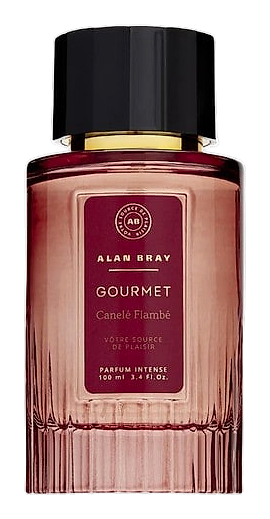
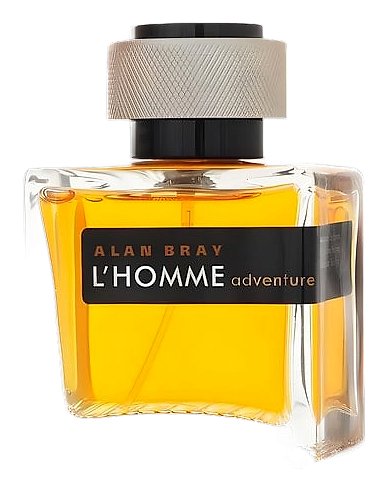
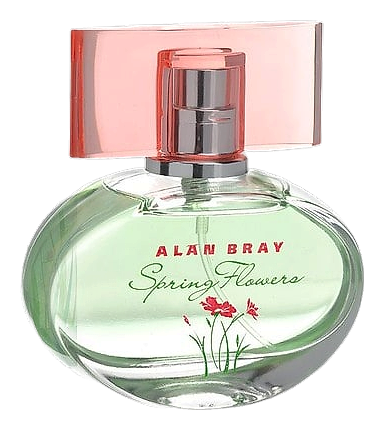
Alan BrayAlan Bray is a niche perfume house that builds a catalogue of more than ninety scents since the early 2000s. The brand releases fragrances that often pair unexpected ingredients, such as cherry and almond in its Canelé Flambé (2024) or the bright floral accord of Spring Flowers (2013). Each launch arrives with a distinct personality, inviting collectors to explore a spectrum that ranges from the masculine L'Homme Noble (2025) to the daring High Society L'Imperatrice (2024). The label operates out of Paris and reaches a global audience through specialty retailers and online platforms.
The Creator
Alan BrayBray’s signature technique rests on a single, bold accord that dominates the composition. In Cherry Almond he pairs bright, fermented cherry with warm, nutty almond oil, letting the two notes intertwine for twelve hours without fading.