
The Story
Why it exists.
The beginning
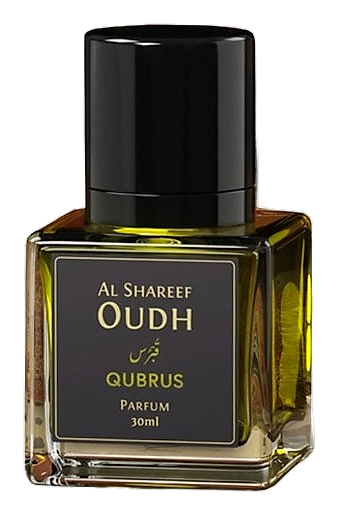
Qubrus takes its name from the Arabic word for Cyprus, the Mediterranean island whose history of aromatic resins, incense, and oils stretches back through Islamic, Greek, and Ottoman cultures. Long before François Coty's 1917 Chypre gave the genre its French name, the island's raw materials were already a cornerstone of perfumery traditions across continents. The nose behind Qubrus is Al Shareef Jawed, who named this composition as a direct homage to those origins. Qubrus is not a reinterpretation of Coty's chypre. It is a return to the source: an island whose oakmoss, labdanum, and resins were traded and blended into some of perfumery's oldest structures.
Most chypres lean on citrus or bergamot up top, then build toward oakmoss. Qubrus opens with patchouli and neroli instead, keeping the citrus restrained rather than absent. That choice shifts the genre's architecture: instead of a clean snap into moss, you get earth and bitter flower first, then the traditional chypre structure of labdanum and oakmoss arrives later as a deepening. The neroli carries its own bitter brightness, and the patchouli reads dark and slightly damp, almost like turned soil after rain.
The evolution
The opening reads almost sharp. Neroli lifts, patchouli darkens below it, and the rose is there but muted, like petals pressed into wood. There's a green, herbal edge that reads more forest than flower bed. As the composition breathes, the frankincense surfaces, smoky and resinous, and the labdanum starts pulling everything toward amber. The musk underneath gives it a skin-warmth that softens the whole composition without flattening it. Once it settles, it finds a steady chypre groove: oakmoss, labdanum, a thread of oud that's more suggestion than statement. Vetiver arrives last, dry and almost mineral, and it stays through the late hours. On fabric the next day, what remains is the oakmoss and oud, leaning close to the skin, smelling like the floor of a library that someone just polished.
Cultural impact
Qubrus sits at an interesting crossroads. It wears the chypre label but behaves with a different center of gravity. Wearers who approach it expecting a Coty descendant get something more grounded, more resinous, more patient. The restrained citrus keeps it legible as a chypre, while the patchouli and neroli opening pushes it somewhere else before the labdanum and oakmoss arrive. The oud presence is restrained enough that it doesn't overwhelm, but pronounced enough that anyone familiar with the material will recognize its fingerprint.