The Story
Why it exists.
The beginning
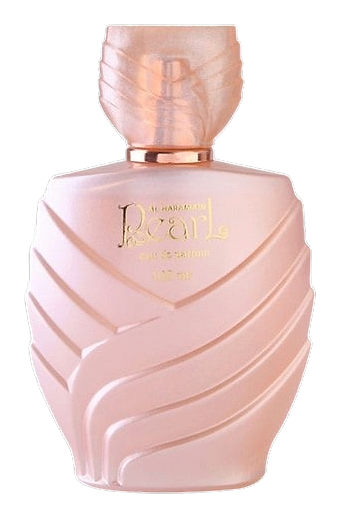
Pearl is named for June's birthstone, a mineral the brand has translated into scent since Sage Machado began translating gemstones into jewelry. The brief was simple: capture innocence and purity without becoming a cliché. No aldehydes, no screechy florals. Instead, the perfumer built inward, starting from oakmoss, a note more often buried in a base, because sometimes the most honest thing a fragrance can do is arrive quietly and mean it.
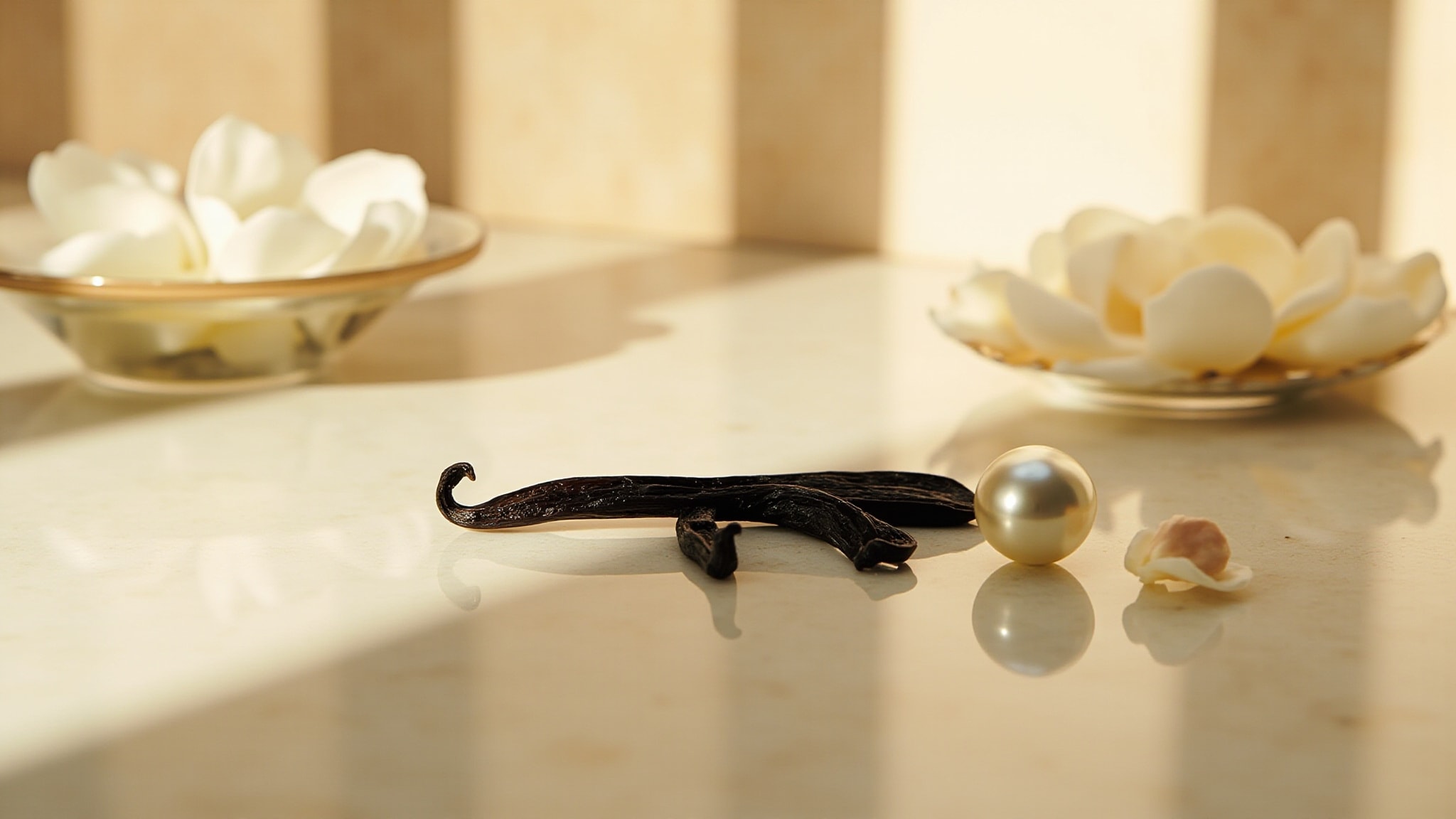
Oakmoss as a top note is unusual. Most perfumers use it low in the pyramid where it adds depth without demanding attention. Placing it first is a statement: this scent begins with earth, with the smell of damp stone in morning light, before softening into something warmer. The choice creates an unexpected tension, green and mineral at the opening, creamy and powdery at the close. That hand-off, from moss to vanilla, is where Pearl earns its name. Pearls start as grit and become something luminous.
The evolution
The opening arrives soft, almost apologetic, damp oakmoss with a slight mineral edge, the kind of green that recalls a garden after rain. Within minutes, sandalwood slides in, warm and woody, smoothing the moss into something creamier. The transition isn't dramatic. It asks you to pay attention. The drydown is where vanilla finally speaks, but it refuses to shout. This is a vanilla that grew up in a pod, not a bakery, natural, slightly resinous, never foody. Musk threads through to keep everything close to the skin. By hour three, it's a quiet warmth on the inside of your wrist, intimate and persistent if you're standing near enough to notice.
Cultural impact
Pearl arrived during a period when the fragrance market was saturated with loud, sillage-heavy statement scents, making its whisper-quiet approach a deliberate counterpoint. The sparse note structure and restrained projection reflected a broader shift toward minimalism in design and lifestyle culture, drawing from the same aesthetic philosophy that influenced architecture, fashion, and interiors throughout the late 20th and early 21st centuries. Galbanum and ginger are unconventional top notes in Western mainstream perfumery, more commonly found in niche or avant-garde compositions, giving Pearl an unexpected edge that set it apart from approachable vanilla fragrances.