Sensual Woods
The warm embrace of ancient forests distilled into scent. Sensual woods blend creaminess with depth, creating intimate, enveloping drydowns that linger on skin like a whispered secret.
Character
How it smells
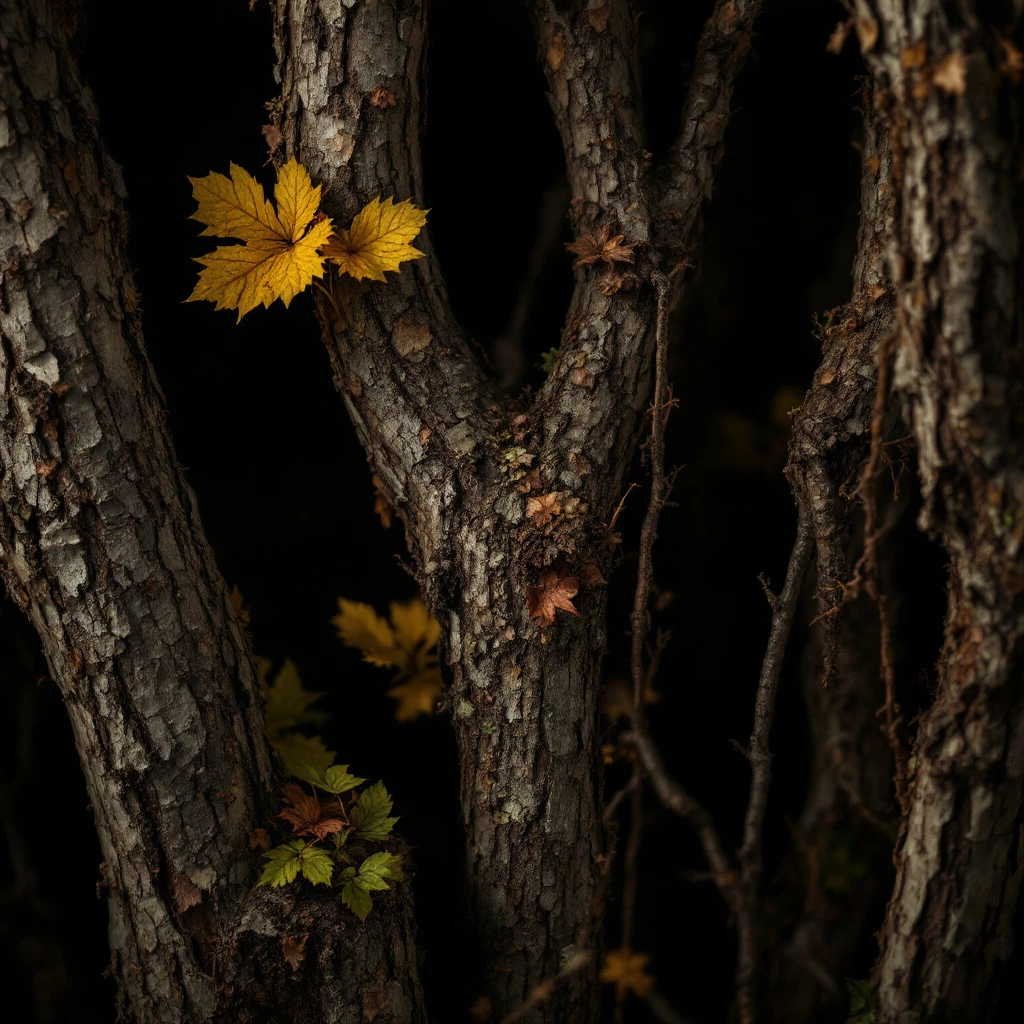
Ancient forests, intimate warmth.
Mysore sandalwood trees must grow for 30-40 years before harvest yields the aromatic heartwood perfumers prize.




Origin
India
Perfumers have worked with sensual woods for centuries, but the category crystallized in mid-20th century perfumery when woody notes moved from supporting roles to center stage. Before this shift, manufacturers primarily used woods as fixatives anchoring lighter top notes.
By the 1940s, fragrance houses recognized the magnetic quality certain woods carried, particularly sandalwood from Mysore, which ancient Indian traditions had revered for millennia in sacred rituals and medicinal preparations. The town of Grasse and French maisons codified these materials into modern perfumery language during the 1800s, when chemists first began isolating key aromatic molecules.
Colonial trade networks spread sandalwood globally, creating demand that nearly exhausted natural stands. Today, ethical sourcing from certified plantations ensures these ancient materials remain available while respecting ecological limits.
Wears it best
Fragrances featuring Sensual Woods
Brands
Brands known for Sensual Woods
Good to know
Questions, answered
The essentials on Sensual Woods in perfumery: how it smells, where it comes from, and how it behaves on skin.
What defines a wood as sensual rather than sharp or smoky?
Sensual woods carry warm, creamy textures rather than dry or pencil-shaving characteristics. They evoke intimacy and closeness on skin. Sandalwood, oud, and benzoin exemplify this family with their rich, enveloping qualities that develop close to the body throughout wear.
Which ingredients make up the Sensual Woods category?
The category centers on warm, intimate materials like Mysore sandalwood, oud from agarwood trees, benzoin resin, Peru balsam, and similar substances. These share an inherent creaminess and depth that sets them apart from sharp cedars or smoky vetivers.
How does sandalwood evolve on skin during wear?
Sandalwood opens bright and slightly sweet before revealing its creamy, milky heart. The drydown deepens into a velvety, intimate finish that stays close to skin for hours. Many wearers report the scent becoming more personal and private over time.
Why does Mysore sandalwood command premium status in perfumery?
The Mysore region in Karnataka produces sandalwood with exceptionally high santalol content, the compound responsible for the species characteristic warm, creamy character. Climate and soil conditions create a sensory profile that perfumers consider the global standard for quality.
What extraction process produces sandalwood essential oil?
Steam distillation extracts oil from heartwood chips. Producers load stills with chipped wood, then force pressurized steam through the material. The steam vaporizes aromatic compounds, which condense in a separator. Quality oil requires 15 to 20 hours of distillation.
Are sensual wood materials sustainably sourced today?
Wild Mysore sandalwood faced near-extinction from historical overharvesting, prompting protection efforts. Modern perfumers increasingly source from certified plantations in Australia, New Caledonia, and India. These programs ensure supply while reducing pressure on wild populations.
How does oud differ from sandalwood in scent profile?
Oud forms when Aquilaria trees produce defensive resin after fungal infection, creating dense, aromatic wood. Its scent is complex, with animalic, balsamic, and sometimes leathery facets. Sandalwood offers cleaner, creamier warmth by comparison.
Do Sensual Woods work better in certain seasons or settings?
Traditional use favors cooler months and evening wear for maximum projection. However, modern perfumery techniques have expanded versatility. Lighter applications and blended formulations allow sensual woods to work across seasons with thoughtful dosing.


