The Story
Why it exists.
The beginning
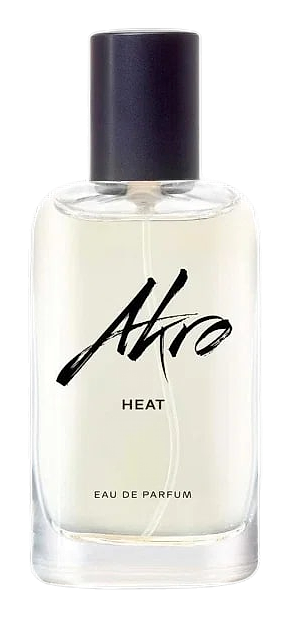
There's a particular confidence in a fragrance that builds itself around a single, risky material. Heat arrived as part of a collection described by its makers as addictive perfumes, built from distinct aromas designed to pull you toward a specific sensation and hold you there. The brief was simple: chili. Not as garnish. As the whole point. Most perfumers treat spice as accent work, a flicker of warmth tucked into a base of woods or amber, never the headline. Heat inverts that logic entirely, betting the entire composition on whether red chili can carry a fragrance from opening to drydown without collapsing into the synthetic, plasticky territory that haunts most capsaicin-forward scents.
Chili is a tricky material in perfumery. Too much reads synthetic, plasticky, almost candy-like, like someone tried to bottle a Jolly Rancher. Too little disappears behind the supporting notes, swallowed by whatever citrus or wood sits above it. What makes Heat interesting is the restraint. The composition pairs red chili with cold, sharp citrus and a green, peppery heart of cardamom, ginger, and juniper. The contrast does the work. Ice and burn. The spice never overwhelms because it never has to fight for attention alone.
The evolution
The first ten minutes are bright, almost effervescent. Lemon and coriander hit cold and clean, the kind of opening that makes you think ginger ale or a cocktail garnished with something sharp. Then the warmth creeps in. Red chili doesn't announce itself with a slap. It simmers. Cardamom and ginger arrive together, adding a green, woody spiciness that deepens the burn and gives the composition a sense of weight and gravity. The composition settles into a quieter register as the base takes over. Ambrox wraps everything in a skin-like warmth that reads close and human rather than ambery or sweet. Cedarwood adds dry structure, holding the shape of the fragrance without letting it blur into something generic. Musk brings it close, intimate, the way good skin scents do. What surprises is the cedar: it doesn't behave like a traditional base here.
Cultural impact
Heat reads as a daytime statement, a fragrance for the wearer who wants warmth without weight, spice without smoke. The chili carries a brightness that pushes it away from the heavier, after-dark territory most spicy compositions occupy. There's a casualness to the way it wears, something that suggests linen shirts and late afternoons rather than black turtlenecks and candlelit rooms. The citrus-spice-cardamom architecture keeps it lifted and dry through the heart, and the clean cedar-and-musk base prevents it from ever tipping into the dense, resinous territory that plagues many spice-forward fragrances.