The Story
Why it exists.
The beginning
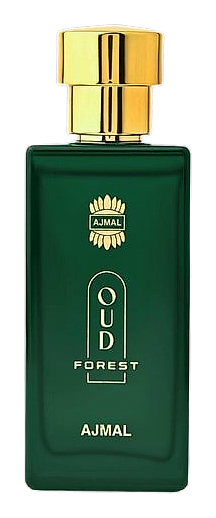
Oud Forest arrived in 2025 from Ajmal, a house that builds its identity around oud as a material worth taking seriously. The name reads like a place, and the composition earns that geography through texture rather than explicit reference. Cardamom pods open with their heat intact, and resin weaves through from the first breath, suggesting bark that has been seeping its oils longer than any single season. The spicy, resinous character carries the weight of a fragrance built around the central material, treating oud as the structural backbone of the composition rather than a background accent. There's something deliberate about how the materials are weighted, how the resins and woods share space with the spice without any one element shouting over the rest.
What's interesting here is the architecture. Suede in the opening has a dry leather quality that softens the sharper cardamom and pink pepper before the incense burns through. The heart doubles down on resin: frankincense, amber, cypriol (a root with an earthy, vetiver-adjacent character). Then oud in the base, supported by labdanum and musk, creating a drydown that reads more like worn wood than animal. It's a forest assembled from materials that smell like they were gathered rather than composed. The interplay between suede and spice gives the opening its particular register.
The evolution
The opening announces itself with authority. Incense and suede land first, then cardamom snaps against pink pepper's heat, bright and almost peppery-floral. That energy carries through the first stretch before the structure shifts. The heart rolls in dense and resinous: frankincense and amber thickening the air, patchouli grounding the lift, and cypriol adding a rooty, almost tobacco-adjacent earthiness. This is the loudest phase, the moment where the composition feels most fully itself, and the resins hold this weight steadily through the middle hours. Then the oud takes over. Not a sharp, barnyard oud, but something smoother, warmer, deepened by labdanum until the whole composition reads like polished wood left near a dying fire. The musk in the base pulls everything close, so the final phase sits close to the wearer rather than projecting outward.
Cultural impact
Oud Forest earns its name through what it does rather than what it claims. The composition reads as woody, resinous, and grounded, with the oud given enough space to register as a material rather than as a suggestion. The opening's interplay of suede and spice sets up an austere first impression, one that asks the wearer to wait through the resins and into the base before the full personality arrives. It's the kind of scent that rewards patience: the opening can feel severe to anyone expecting instant sweetness, but the drydown is where the personality lives.