The Story
Why it exists.
The beginning
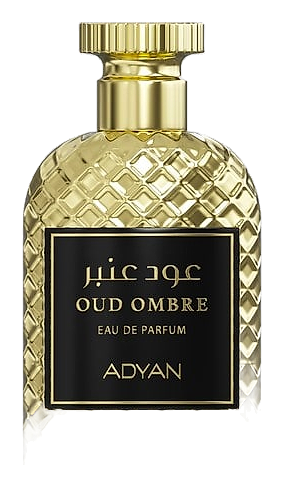
Oud Ombre arrived in 2022 from perfumer Ahmedullah Anfar. The name points toward oud and amber, while the listed composition moves through a varied sequence of aromatic materials. Grapefruit, cardamom, nutmeg and cinnamon create a bright, spiced entrance, lavender supplies a measured aromatic center, and Haitian vetiver, sandalwood, licorice, patchouli and amber shape the warmer base. The result is a fragrance built around contrast: citrus against spice, cool lavender against dense woods, and familiar amber grounded by patchouli and vetiver. Its character comes from how these notes meet rather than from a single feature taking over the composition.
Its unusual strength comes from the tension between bright citrus and a notably warm, woody base. Grapefruit makes the opening feel almost sunlit, but cardamom, nutmeg and cinnamon pull it toward something more tactile. Lavender acts as a bridge rather than the main event, smoothing the transition into sandalwood, Haitian vetiver and patchouli. Licorice brings a bittersweet quality to the composition, while amber gives the final impression a smooth, warm character.
The evolution
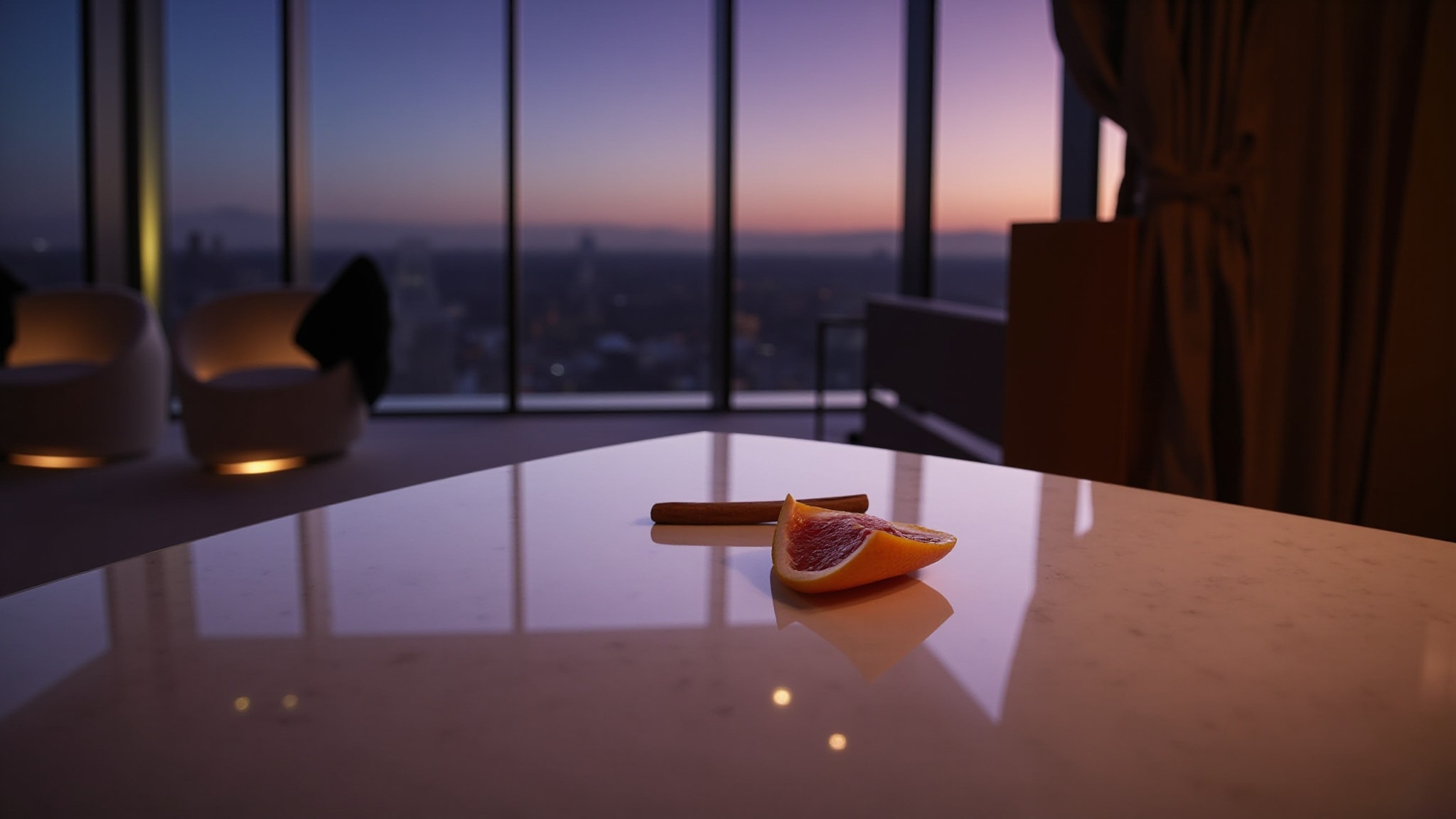
The first impression is lively: grapefruit flashes bright before cardamom and cinnamon make the air feel warmer, with nutmeg adding a dry, peppery flicker. As that brightness recedes, lavender arrives as a soft aromatic pause, almost like a cool strip of shade in a warm room. Then the composition settles into its heavier character. Sandalwood gives the drydown a polished surface, Haitian vetiver brings an earthy, mineral edge, and patchouli deepens the woods without losing the spice. Licorice keeps a faint sweetness in play, while amber rounds everything into a warm finish. By the later hours, the fragrance feels less citrusy and more focused on dry herbs, woods and polished amber, creating a close, evolving arc from freshness to warmth.
Cultural impact
Oud Ombre can be explored through the contrast of its listed notes. Grapefruit, cardamom, nutmeg and cinnamon bring brightness and spice to the opening, while lavender creates a softer aromatic passage before the composition moves toward sandalwood, Haitian vetiver, patchouli, licorice and amber. This sequence gives the fragrance a distinctive character, moving between citrus, spice, aromatic woods and warm materials. For those drawn to compositions with several distinct facets, it offers an invitation to notice how each note shapes the next stage of the wear.
The House
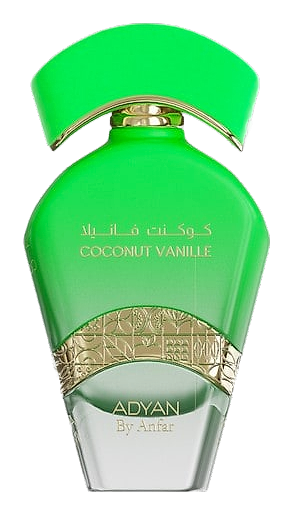
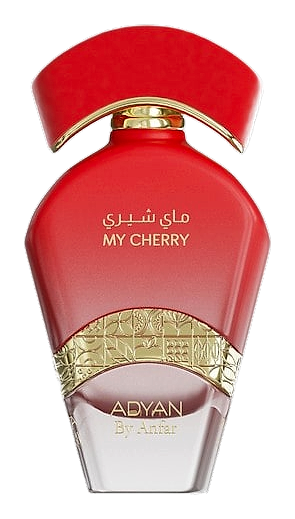
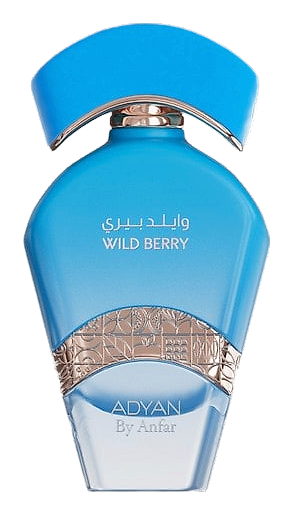
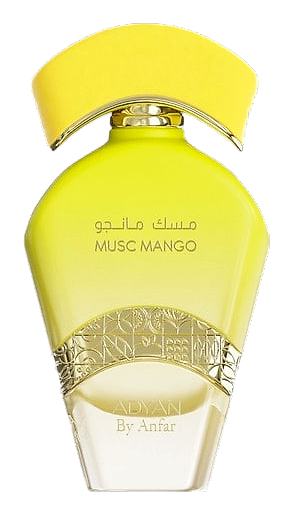
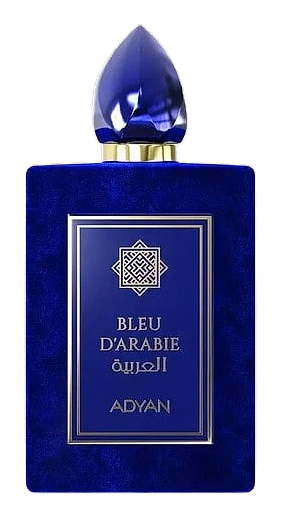
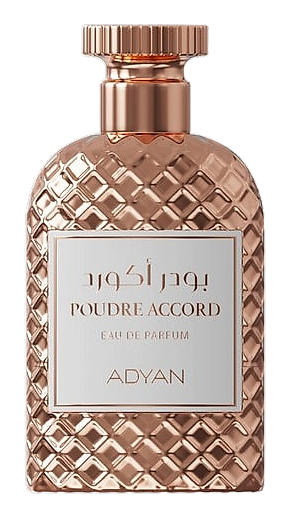
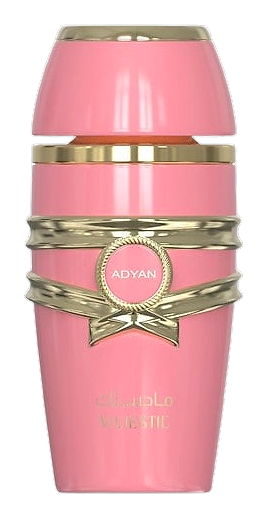
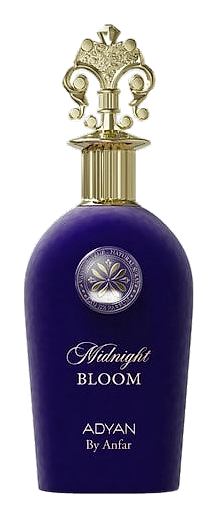
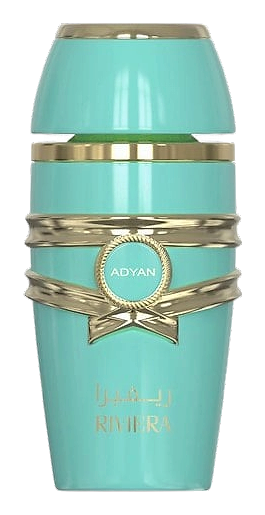
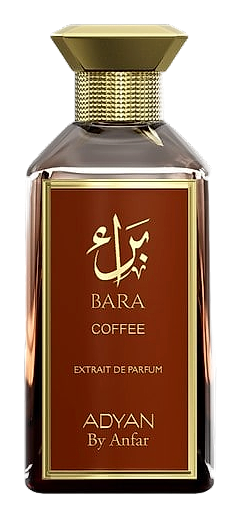
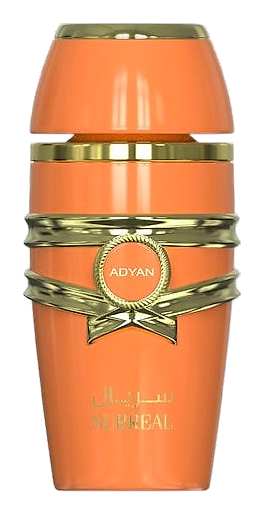
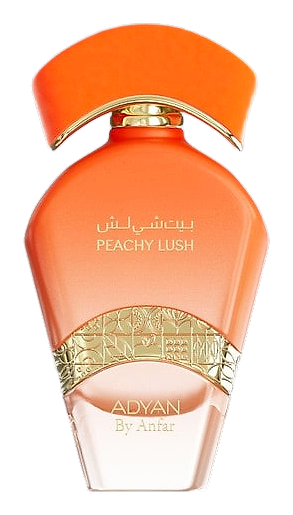
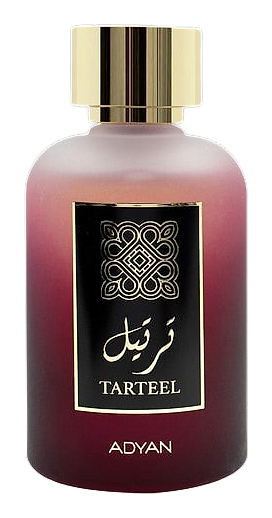
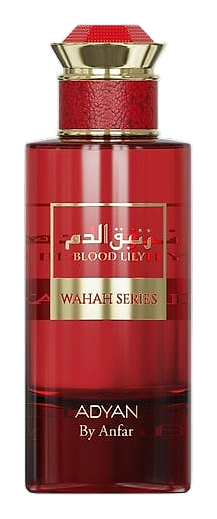
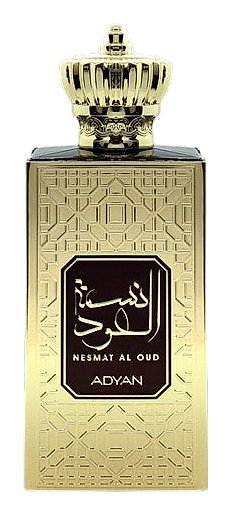
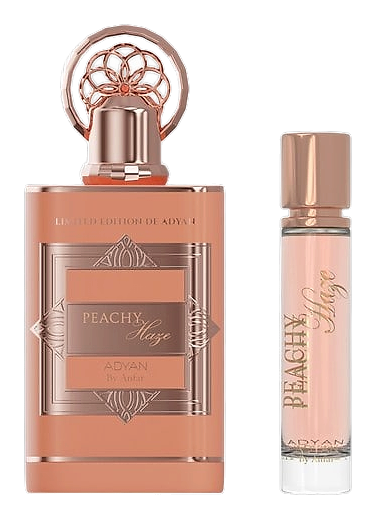
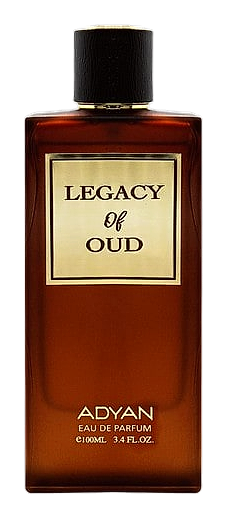
Adyan by AnfarAdyan by Anfar is a Dubai-based fragrance house operating under the umbrella of Oudh Al Anfar, one of the oldest perfume manufacturers in the Gulf region. The brand positions itself at the intersection of French perfumery traditions and Arabian olfactory sensibilities, creating scents that appeal to collectors seeking both Western elegance and Eastern soul. Adyan launched its first fragrance around 2019 and has since released multiple acclaimed scents including Bara, Tamara, and the recently discussed Bleu D'Arabie. The house operates with in-house perfumers including Ahmedullah Anfar, and maintains the collection with regular new releases spanning both oud-forward compositions and contemporary western-style fragrances, all manufactured in Dubai. The brand sits alongside Anfar London as part of the family's niche strategy within their broader perfume business.
The Creator
Ahmedullah AnfarHis style reveals itself through gourmand warmth and citrus brightness. Fresh Summer Fragrance (2022) showcased his ability to modernize classic citrus structures with edible depth, while Cotton Candy (2025) demonstrated his comfort with playful sweetness balanced by musky sop…