The Story
Why it exists.
The beginning
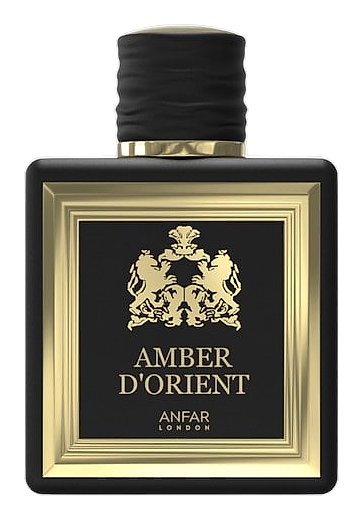
Amber d'Orient arrived in 2022 as Abdullah Anfar's statement of intent, a fragrance bridging Indian raw-material heritage with a contemporary London sensibility. The name says it all: amber, orient, warmth. Bergamot and apple blossom open clean and bright, then the composition deepens into a warm floral heart of rose and peony, anchored by the oud, vanilla, and sandalwood that define Anfar's house character. It's a perfume for someone who carries depth without announcing it.
The choice of apple blossom as a top note is deliberate, it brings a waxy, almost aldehydic freshness that cuts through the warmth before the rose takes over. Saffron adds that warm-spice quality that makes Oriental fragrances feel grounded, while the oud and vanilla base keeps things lasting and warm. The metallic and powdery accords in the full profile suggest a modern restraint, this isn't your grandmother's oud fragrance.
The evolution
What arrives: a bright, slightly metallic burst of bergamot and apple blossom that announces itself immediately. The hand-off happens within minutes, rose and saffron move in, bringing warmth that feels almost waxy. Peony softens the spice without diluting it. The base is where this lives: oud and vanilla entwine, with sandalwood providing a creamy counterpoint. The surprising detail is the powdery metallic quality that resurfaces in the drydown, a reminder that this fragrance has edges. The next day, on fabric, it's primarily vanilla and oud, warmer and less sharp than when first applied.
Cultural impact
In the crowded field of Orientals, Amber d'Orient occupies an interesting position. Some wearers compare it to Oud Satin Mood, a reference fragrance in the affordable luxury space. Others find its metallic quality polarizing. But the above-average longevity and projection suggest Anfar's focus on performance over marketing. In the niche fragrance community, it represents a bridge: Indian heritage materials in a Western-friendly format.