
The Story
Why it exists.
The beginning
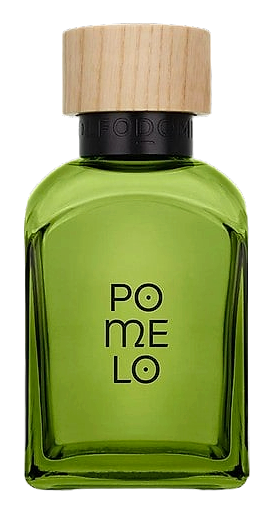
In 2006, Ramon Monegal set out to build a fragrance around something fragile, green tea. The composition opens with bright yuzu and sharp mint, citrus notes that hit immediately and awaken the senses. Bamboo arrives quickly, softening the initial edge into something greener and more aquatic, bridging the citrus to the heart of the scent. The green tea itself is woven throughout the evolution rather than announced upfront, present as a subtle texture rather than a dominant character. Mate and cardamom bring a gentle bitterness that echoes the actual tea leaf, while orange blossom keeps the heart from becoming too austere. As time passes, the base of guaiac wood, oak moss, and amber grounds everything in a warm, dry, mossy finish that lingers close to the skin.
What makes this composition stand apart is its structural clarity. The opening hits yuzu and mint first, sharp and immediate. Bamboo arrives next, adding a cool, almost aquatic quality that bridges citrus to the heart. The heart itself is where things get interesting: mate and cardamom introduce a faint bitterness that echoes the tea leaf itself, while orange blossom keeps things from going too austere. The base, guaiac wood, oak moss, amber, grounds everything in a warm, mossy dryness that feels less like perfume and more like the scent of someone who just had tea and stepped outside.
The evolution
The opening announces yuzu and mint in quick succession, bright and citrus-sharp. Bamboo arrives within minutes, softening the citrus edge into something greener. The green tea note threads through the entire evolution but never dominates, it's more texture than protagonist. The florals arrive subtly, freesia emerging first, followed by a quiet orange blossom that warms the composition. Cardamom and coriander add a faint spice that keeps the heart from feeling too delicate. As the fragrance develops, the citrus begins to recede gradually. What remains is a drydown of guaiac wood, oak moss, and amber, warm and slightly earthy. The musk surfaces as the final layer, holding everything close to the skin. The green tea note persists throughout, adding a subtle continuity that ties each stage together.
Cultural impact
Te Verde enters the landscape of green tea fragrances with a distinctive point of view. The scent combines a bright, citrus-forward opening with a warm, dry base that gives it substance beyond typical green tea fragrances. The green tea note is present throughout, woven between the layers rather than sitting on top. There's a sharpness to the citrus that keeps things interesting, balanced by florals and a drydown that brings warmth and depth. The overall effect is a fragrance that offers freshness with enough character to feel distinctive.
The House
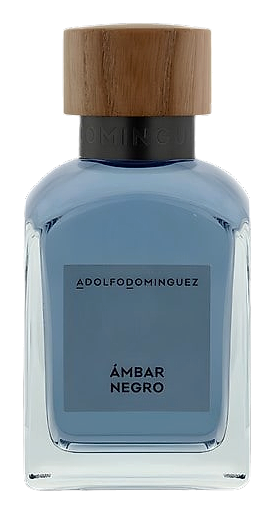
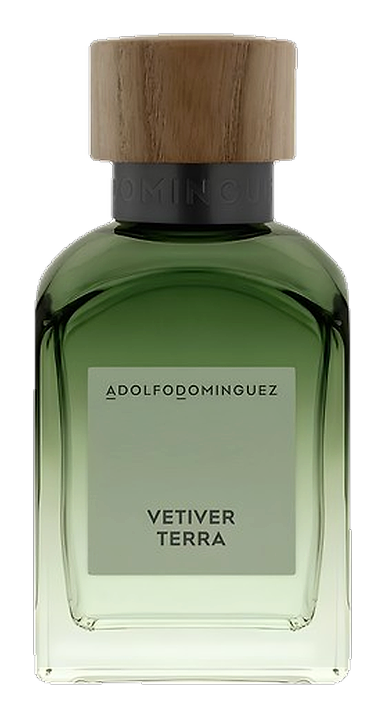
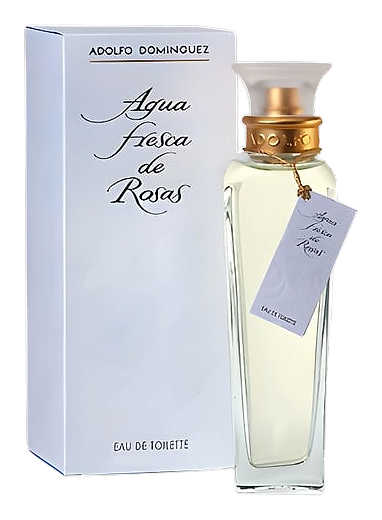
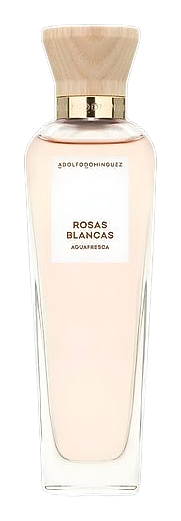
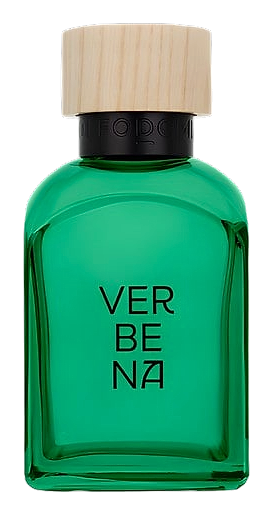
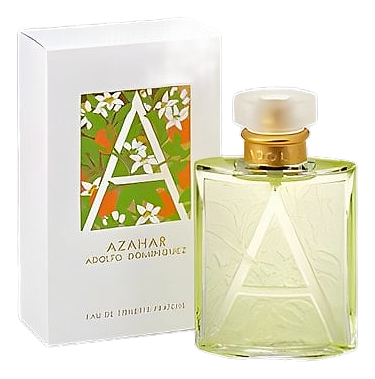
Adolfo DominguezAdolfo Domínguez is a Spanish design house that translates its minimalist aesthetic into fragrance. The brand began as a modest tailoring workshop in Orense in the early 1950s and grew into a full‑range fashion label by the 1970s. Since the 1990s the house has offered a line of perfumes that echo its commitment to natural materials and understated elegance. Today the collection includes classics such as Private Collection Ambar (2010) and newer releases like Verbena Hombre (2023), each presented in clean, glass bottles that reflect the brand’s quiet confidence.
The Creator
Ramon MonegalMonegal favors a structural approach, building each perfume around a clear anchor note that grounds the composition. He often chooses Mediterranean citrus, Spanish rosemary, and rare woods such as cedar and sandalwood as foundations.