The Story
Why it exists.
The beginning
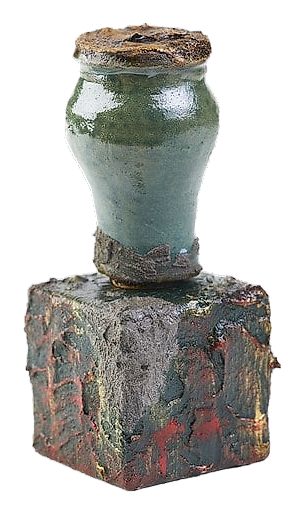
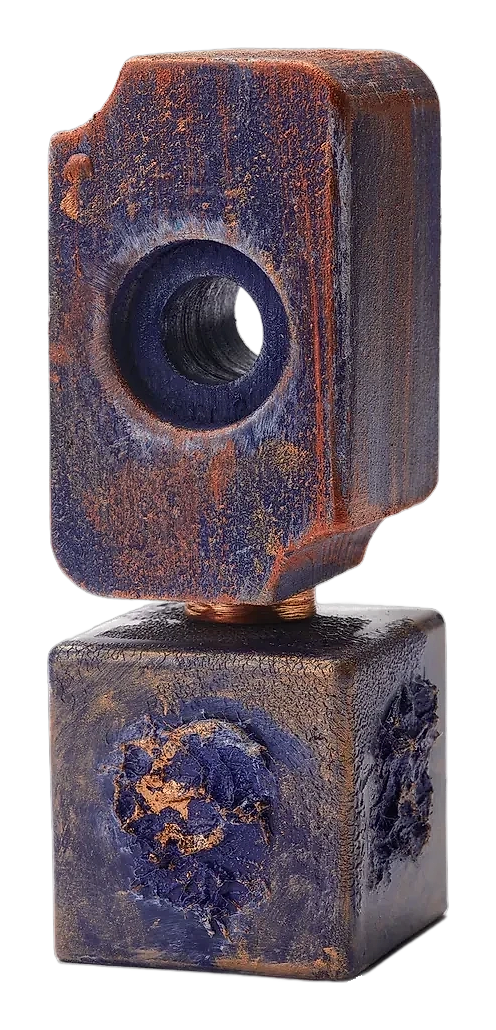
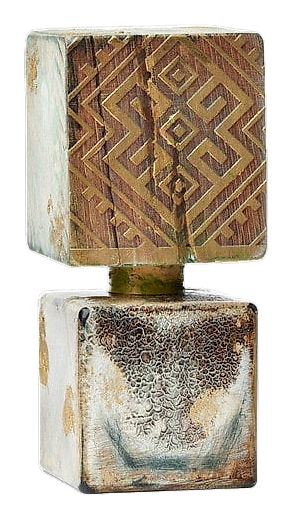
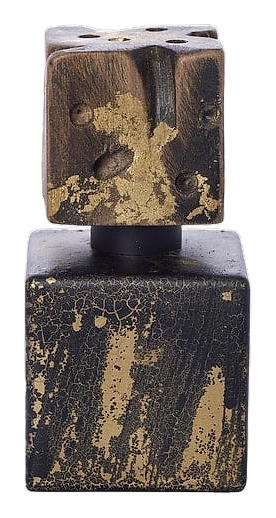
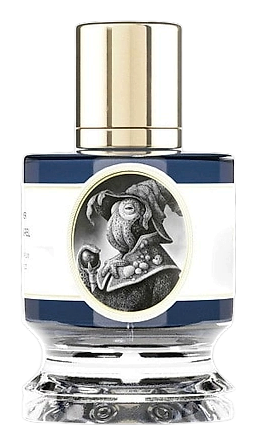
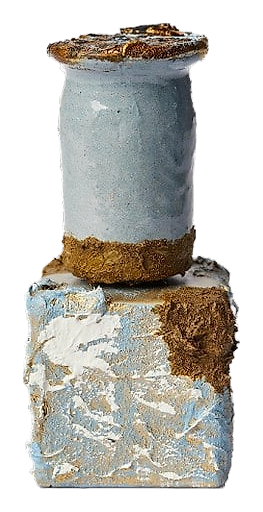
Mioritic takes its name from Romania's most famous pastoral poem, a centuries-old ballad about a shepherd, his flock, and a miraculous intervention. The name alone places this fragrance in a specific cultural lineage, something rooted in the Carpathian landscape, in oral tradition passed down through generations. The concept came from Adi Ale Van's desire to honor old Romanian crafts. A collaboration with potter Alina Iorga from Horezu brought handmade clay lids to life, each shaped after ancient pitcher forms used by potters for thousands of years. The glass bottles reproduce the Carpathian Danubian Pontic landscape, rivers and relief rendered in blue and gold and brown. Water, earth, sunlight. Each element present in the decoration, each piece unique. Anne-Sophie Behaghel composed the fragrance itself, translating this visual and cultural narrative into smell.
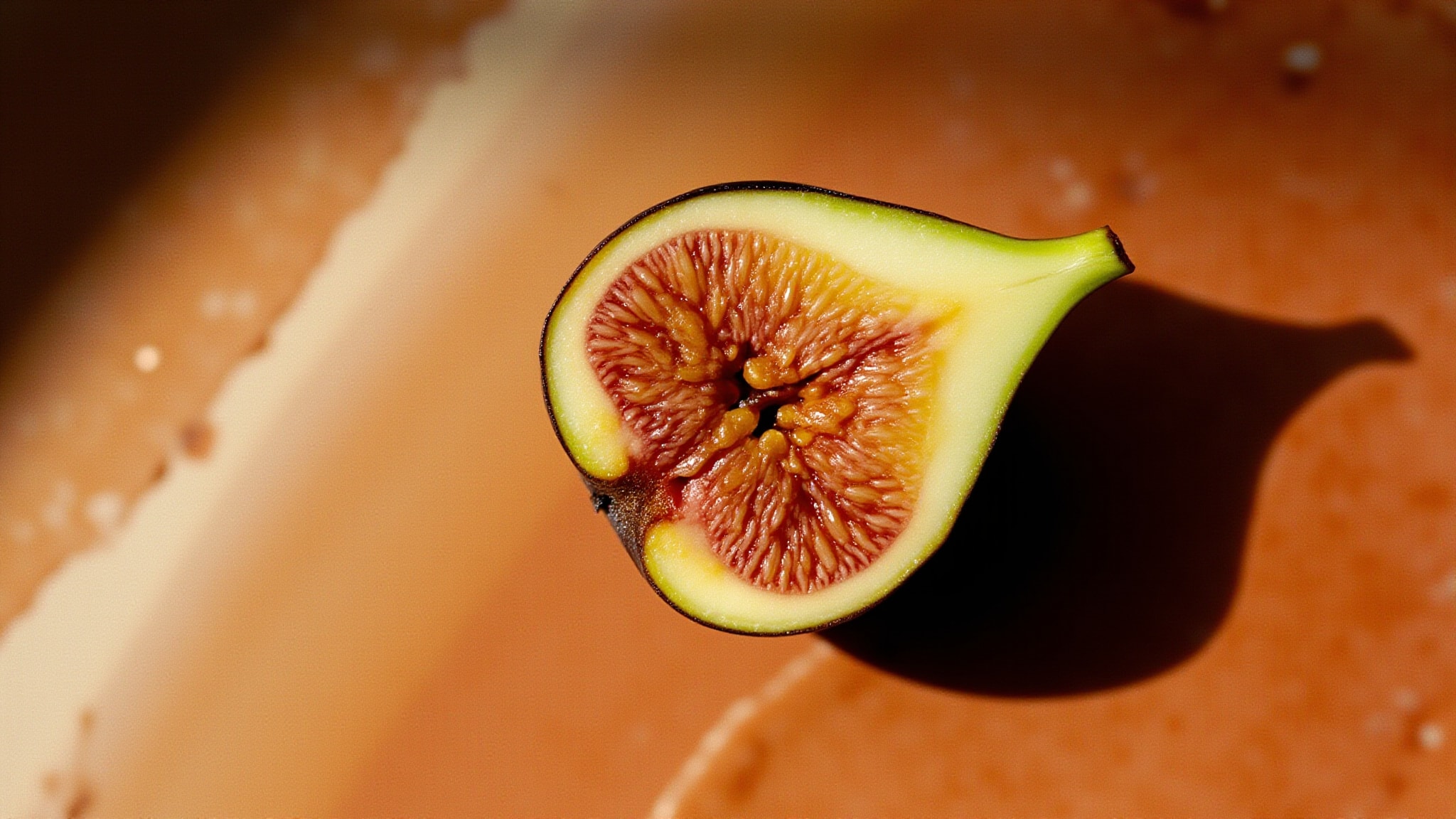
The Mioritic composition weaves together elements that don't immediately cooperate: green basil against milky fig, tart grapefruit against smoky frankincense, resinous elemi against clean white musk. These are not obvious combinations. The art is in the negotiation. Elemi resin brings a citrusy-balsamic quality that bridges the herbal opening and the fruity heart. Fig provides sweetness without sugar, something vegetal and deep. Grapefruit keeps the heart from becoming heavy, adding brightness that reads as modern rather than decorative. Frankincense does what frankincense always does: it elevates. It takes the sweetness and the tartness and gives them spiritual weight.
The evolution
The opening announces itself immediately. Elemi resin and basil create something resinous and green, slightly medicinal in the best way, like entering a church where the air itself smells of history. Pink pepper adds a delicate spice that flickers underneath without ever dominating. Within the first hour, the heart begins to emerge. Grapefruit arrives to brighten the fig's sweetness, preventing it from becoming too ripe or heavy. Frankincense follows, introducing smoke that signals the transition. The herbal quality of the basil fades, replaced by something deeper, more contemplative. By the third hour, the drydown takes over. Patchouli and white musk create warmth that stays close to the skin, not projecting aggressively but refusing to disappear. The woody base anchors everything, preventing the fig sweetness from lingering too long. This is the phase that justifies the price of admission: a quiet, intimate warmth that lasts for hours. On dry skin, the timeline compresses. The early phases move faster, the drydown arrives sooner.
Cultural impact
Mioritic - Extrait de Folklore has found its audience among those who seek fragrance as narrative rather than accessory. It has earned a following among collectors who appreciate unconventional compositions. The smoke, the fig, the resin create a layered experience that rewards close attention. These notes interact in ways that resist immediate resolution, inviting the wearer to return again and again, discovering something new with each encounter. For those willing to engage, the reward is a fragrance that behaves like a story: multiple chapters, unexpected turns, an ending that lingers.