The Story
Why it exists.
The beginning
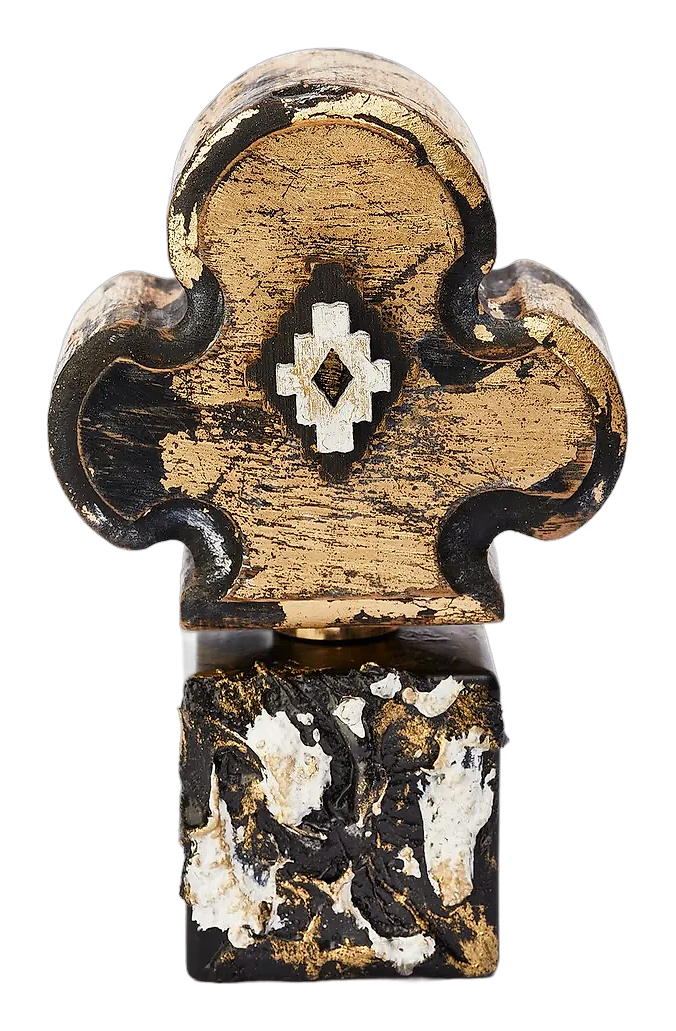
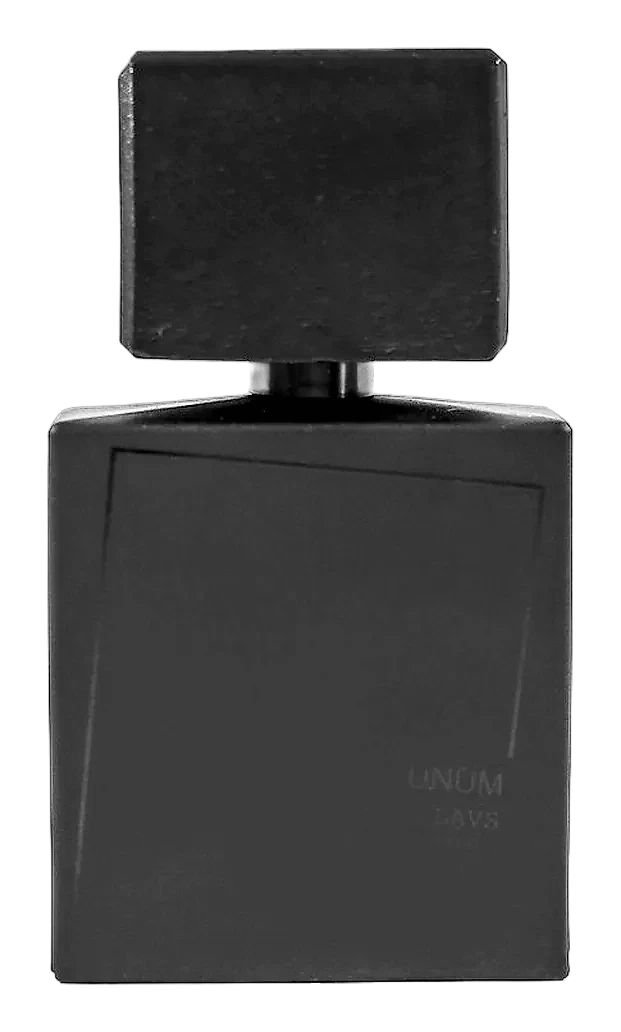
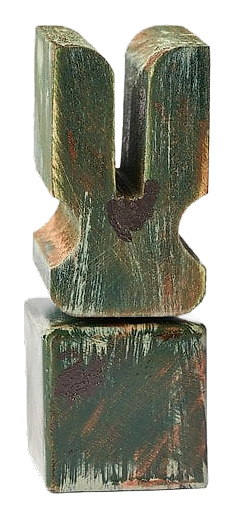
Glie takes its name from the Romanian word for earth, that deep connection between soil and memory that Adi Ale Van wanted to capture in this fragrance. The house has always been interested in memory and place, but Glie reaches further than most. It reaches into something specific, a valley with poplars in the wind, the smell of spring after rain, cracked palms and a hoe catching the light. Giovanni Festa took those images and translated them into scent. The burnt earth note isn't metaphorical. It's literal, the smell of fields after the burn, that moment when the land is bare and alive at the same time, waiting for what comes next. There's a rawness here that feels intentional, a fragrance that asks you to remember your own version of earth and sky rather than imposing one on you.
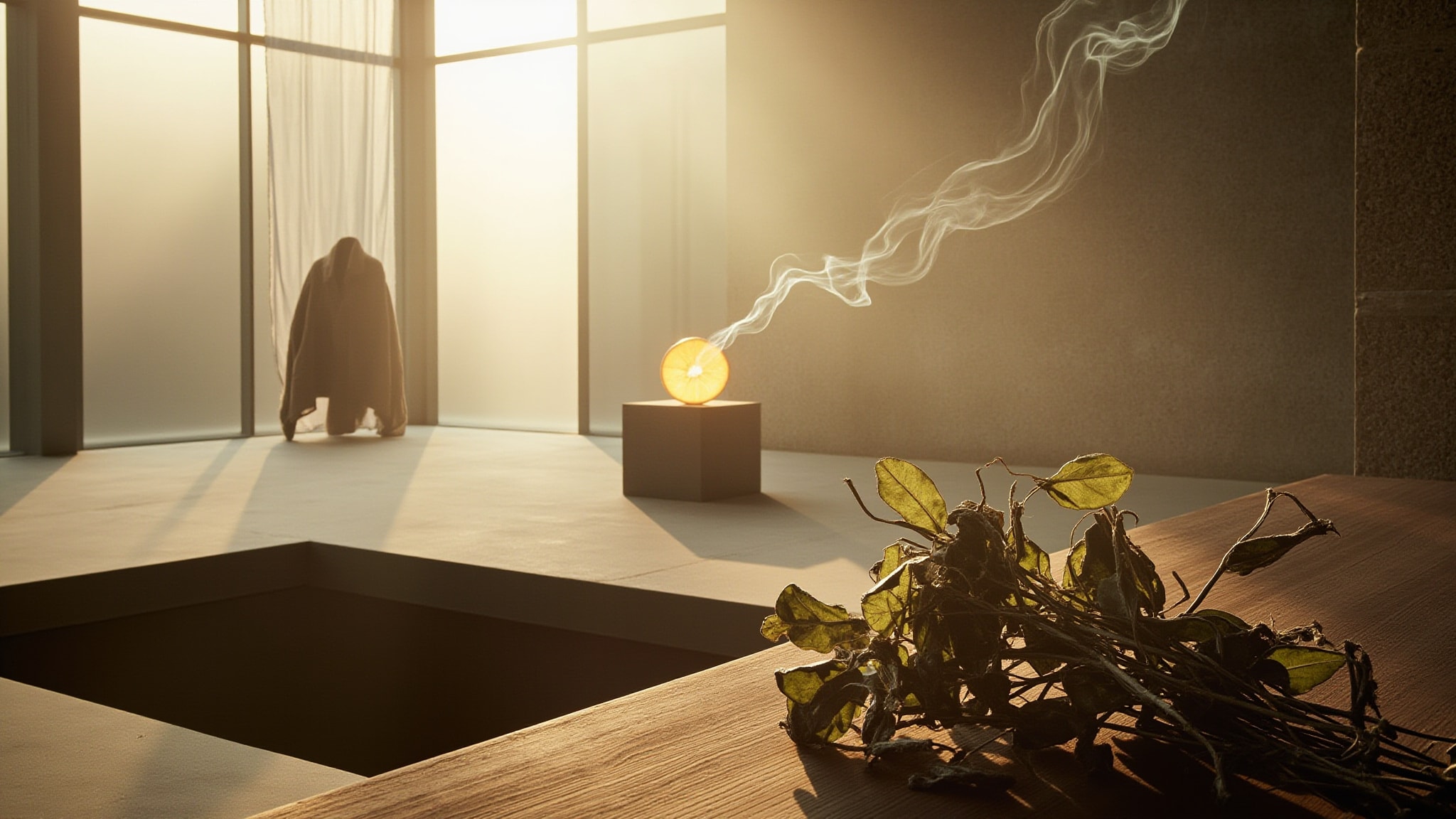
What makes Glie work is the way it holds two things at once: the burnt and the green, the smoky and the powdery. Bitter orange cuts through the earth right at the opening, sharp, almost medicinal for the first few minutes. Then the sage and lavender arrive and soften it, but they don't erase the smoke underneath. That's the trick. The iris in the heart doesn't fight the earth either. It rises through it, bringing a powdery elegance that makes the whole composition feel less raw than it might otherwise. Galbanum and grass add green lift. Angelica and white thyme add depth. And that burnt soil note, it's distinctive. Not the generic 'earth' you find in a lot of fragrances.
The evolution
The opening arrives with bitter orange, sharp and present, burnt earth thick in the air, sage and lavender arriving to round the edges. For a while, this is a smoky, assertive fragrance. Then the orange fades and something gentler takes over. Iris rises through the smoke, powdery and soft. Galbanum and grass lift the composition, green and alive. The heart phase lasts for hours, that's the core of what this fragrance is. Amber and musk begin to anchor everything. The smoke doesn't disappear. It settles into the base, becomes part of the skin rather than hovering above it. The drydown is intimate and close, amber and musk with a ghost of iris. Longevity is above average. The next morning, there's still something there, that warm, slightly animalic base that refuses to fully leave.
Cultural impact
Glie sits outside the usual categories. It's not simply green or smoky, it holds both in a way that creates genuine tension and interest. The composition uses contrast as its primary tool, pairing elements that don't obviously belong together and finding the place where they meet. For those who follow houses like this, Glie represents the kind of work that keeps niche perfumery worth paying attention to: unfashionable, uncompromising, built for people who want to smell like a specific place rather than a general mood.