The Story
Why it exists.
The beginning
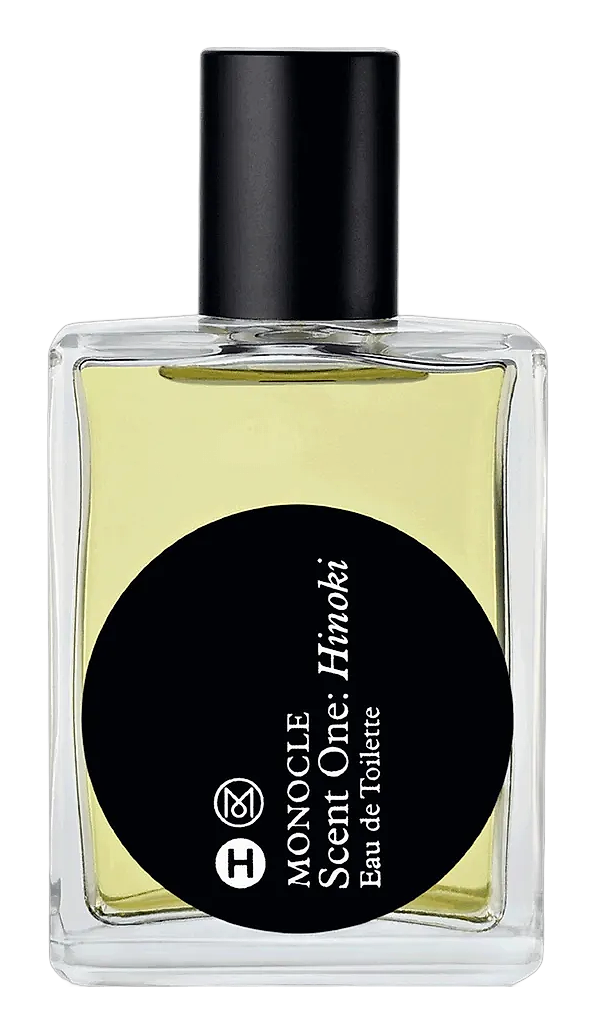
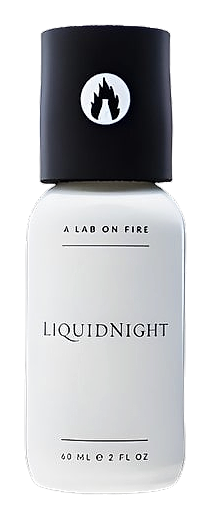
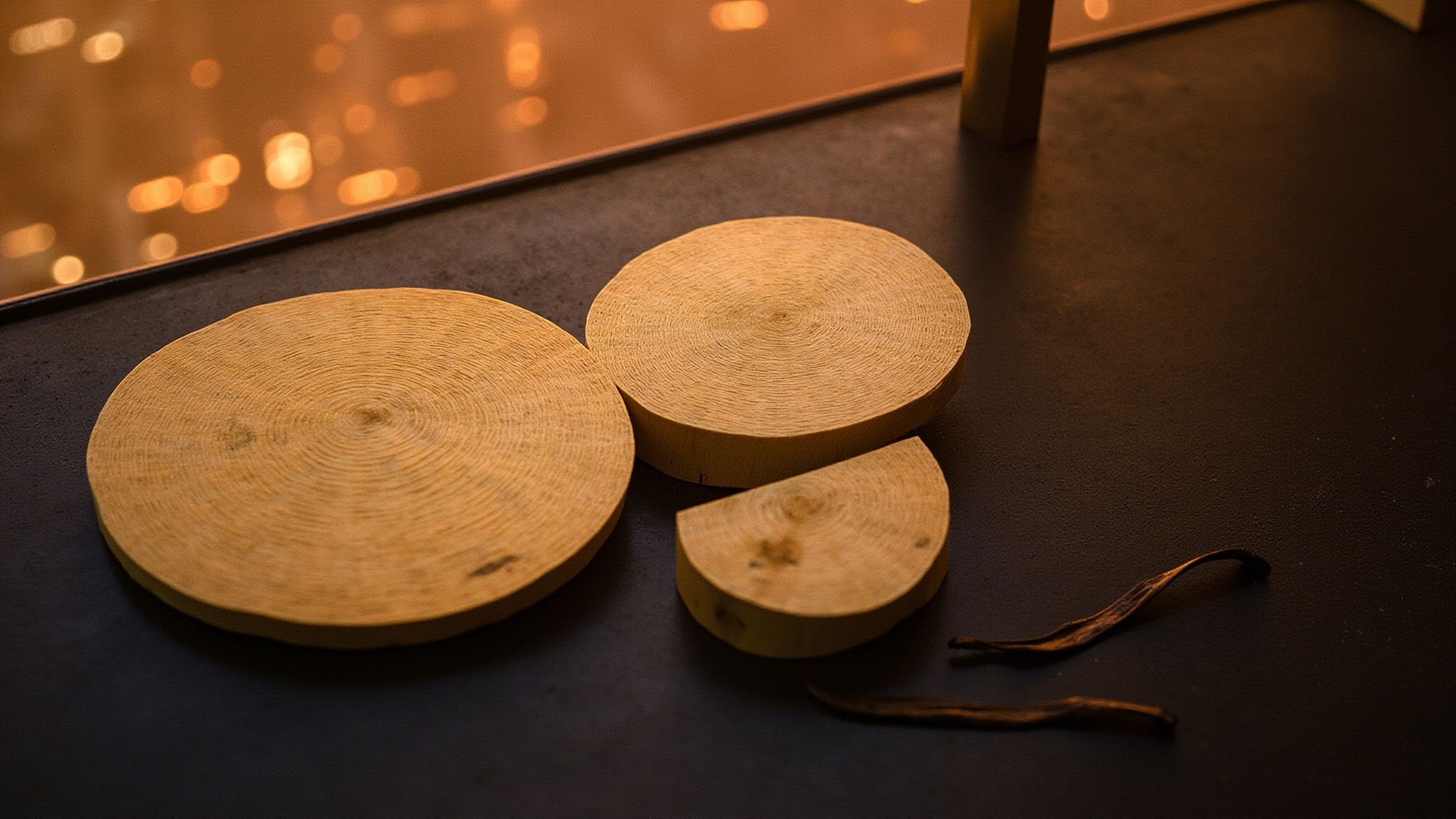
What does night smell like? Carlos Benaïm answered with Liquidnight, a 2012 fragrance named for the hidden depth of New York City after dark. The name is the concept, the night made fluid, something you can pour over yourself and disappear into. Benaïm built the composition around hinoki wood, a Japanese cypress that carries centuries of ritual weight. Everything else serves that choice. The saffron lifts. The lime cuts. The incense smoke threads through lavender and sage, and the vanilla waits in the base like a last call you don't want to end.
Hinoki wood is the argument here. In Japan, it's used in temples, burned for clarity, for focus, for something beyond the everyday. Bringing it into a Western fragrance in 2012 was an unusual move. Carlos Benaïm didn't try to make it familiar. He let it sit quiet in the heart, underneath the herbal warmth of lavender and sage, while saffron and citrus announced the opening. The incense and vanilla in the base don't overpower the hinoki. They frame it. The result is a woody-spicy composition that feels both restrained and warm, the kind of fragrance that rewards attention rather than demanding it.
The evolution
The opening is bright. Lime and bergamot arrive first, a quick citrus flash that clears the air. Then saffron slides in, not sharp, but warm, the kind of spice that makes you lean closer instead of pulling back. The hinoki wood doesn't announce itself. It waits. By the time the heart settles, it's there, quiet underneath the lavender and sage, giving the whole thing a Japanese stillness that feels borrowed from somewhere else entirely. The drydown is where it earns its name. Incense smoke, vanilla, and musk weave together, not smoky in the way of campfires, but smooth, like the air in a room where someone just burned incense and left the window closed. The vanilla turns creamy. The smoke cushions. It stays close to the skin, intimate and warm, for most of the day.
Cultural impact
Liquidnight found its audience among people who wanted something quieter than the bold niche releases of the early 2010s. The hinoki wood made it stand out, a material most wearers had never encountered in Western perfumery, which made the fragrance feel like a discovery. Carlos Benaïm, formerly of Polo fame, brought an editorial sensibility to the composition: clean, modern, understated. The 2012 launch positioned it as a woody-spicy option for people who appreciated structure over spectacle.
The House
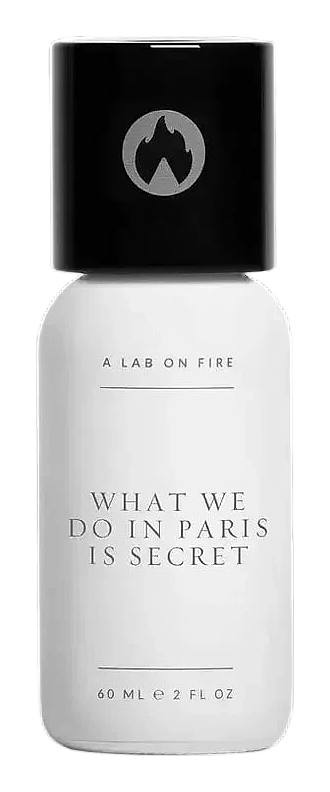
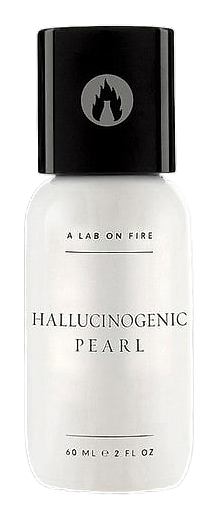
A Lab on FireA Lab on Fire occupies a distinctive corner of the niche fragrance world, known for bold conceptual scents that resist easy categorization. Founded in 2011, the house emerged from the creative vision of Brazilian-born, Japan-raised Carlos Kusubayashi, who later spent formative years in Paris and New York before establishing his own perfume laboratory. The brand operates as a sister house to S-Perfume, sharing resources and creative direction while maintaining its own distinct identity. A Lab on Fire produces limited runs of fragrance, collaborating with industry talents to create original compositions that often draw inspiration from Kusubayashi's multicultural experiences, surf culture, and artistic sensibility. The house has released approximately eight main fragrances since its inception, each bearing names that suggest narrative depth and personal memory.
The Creator
Carlos BenaïmCarlos Benaim's signature style is immediately recognizable to those who know what to look for: confident masculinity rendered with surprising elegance, clean structures that reveal unexpected depth, and a mastery of aromatic and woody materials that few can match. His masculi…