
The Story
Why it exists.
The beginning
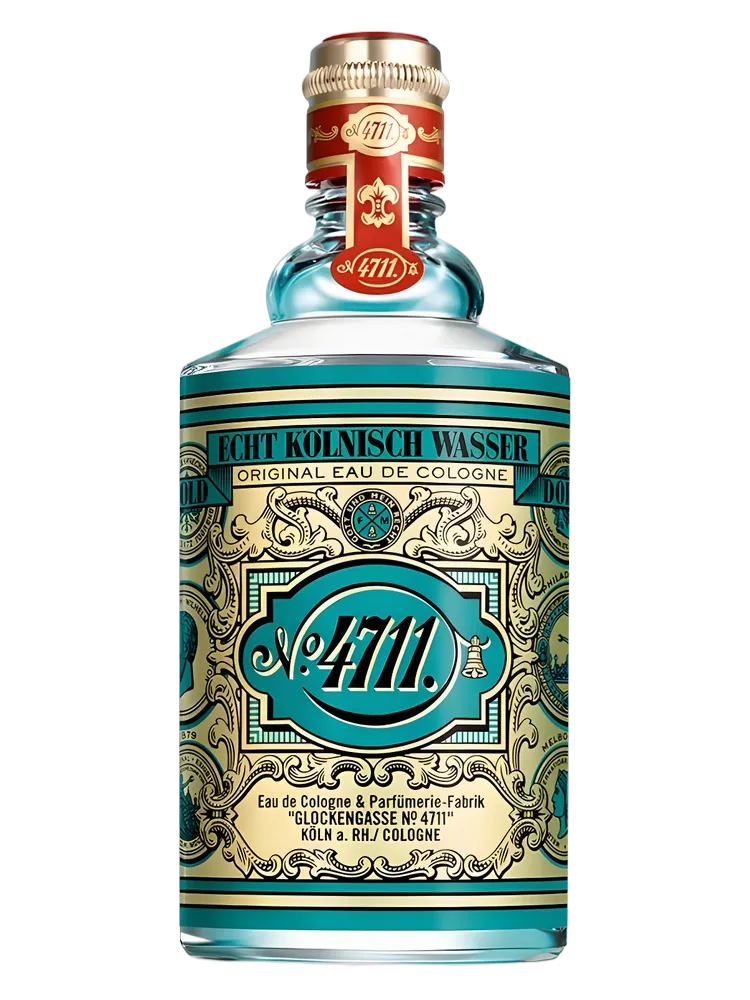
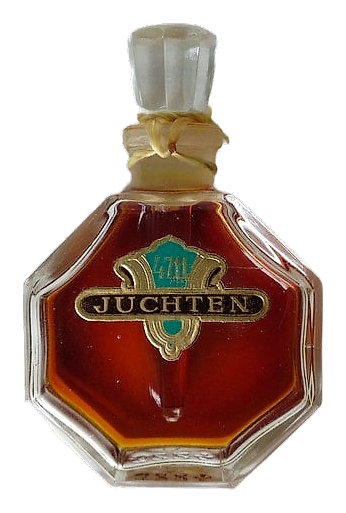
4711 built its name on citrus clarity. Juchten is what happens when the same house looks the other way. Launched in 1935, this composition went dark, smoky, and decidedly unfresh. The name itself sits at an unexpected intersection for a house better known for brightness. Juchten pulls its character from a leather-tanned sensibility, the kind of scent most people associate with saddle shops and old libraries rather than a brand famous for its splash bottles. The result is a fougère-leather hybrid that lands far from the bright cologne most people associate with the brand. There's an immediate depth here, a sense that the perfumer reached for the heavy distillates and worked backward from there. Leather dominates the conversation from the opening spray, but it doesn't sit alone for long.
What's unusual here is the structure. Leather appears in both the top and heart notes, which means the composition doesn't really develop away from its core material. Instead, other notes orbit the leather. Tobacco and vetiver open the door, then sandalwood, jasmine, rose, and patchouli try to soften the room. They don't succeed, and that's the point. The birch tar and civet in the base drag everything back to smoke and animal. The florals never get a real foothold. They flicker at the edges, offering a dusty sweetness that reads more as texture than as a separate floral accord.
The evolution
The first twenty minutes are the loudest. Leather and tobacco land immediately, sharpened by vetiver's green edge. There's a flash of birch tar almost from the start, the smoky burnt-wood quality that defines the opening. By the one-hour mark, the tobacco rounds out and the heart notes step forward. Sandalwood brings a soft creaminess. Jasmine and rose peek through, not as florals you'd notice on someone walking past, but as a dusty sweetness woven into the leather. The patchouli adds earth. Around hour three or four, the florals are gone. What's left is leather, oakmoss, civet, and that persistent birch tar. The drydown is the best part. It smells like an old coat that's been stored in a cedar closet for decades. The smoke note softens into something almost edible, a faint sweetness that recalls wood resin rather than campfire.
Cultural impact
Juchten sits in an unusual corner of fragrance history. It's a leather composition from a brand best known for citrus, released in 1935, and apparently discontinued at some point. That makes it a curiosity rather than a cultural fixture. The composition's reliance on birch tar gives it a distinctive smoky signature, the kind of burnt-wood character that few mainstream houses have ever attempted. For collectors and leather enthusiasts, Juchten holds a particular appeal precisely because it comes from a source most wouldn't expect. It's a 1935 composition from a heritage brand, and its obscurity only adds to the interest.