
The Story
Why it exists.
The beginning
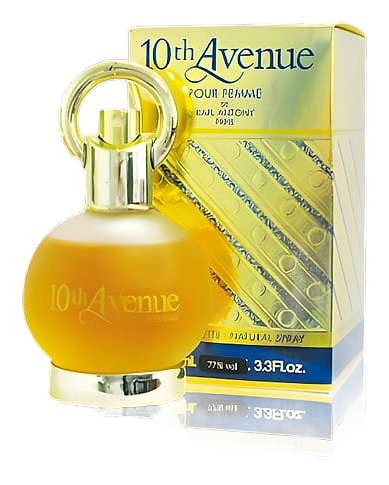
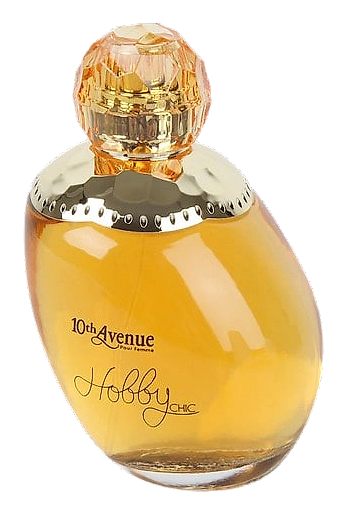
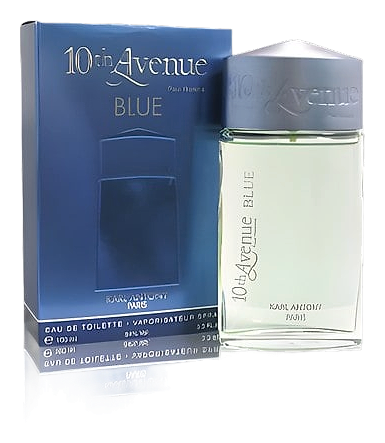
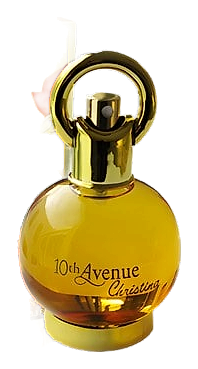
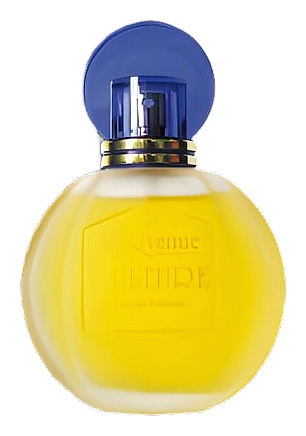
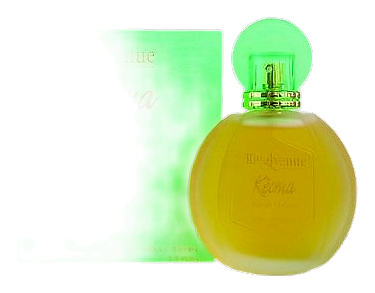
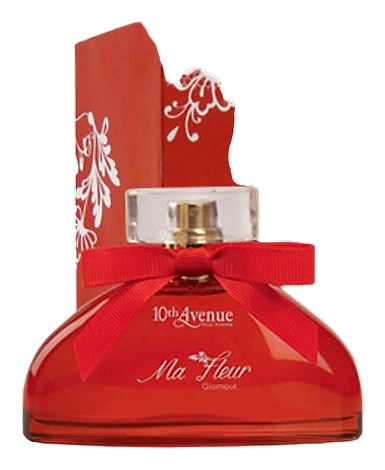
Ma Fleur Glamour arrived in 2015, part of a notable new wave from 10th Avenue Karl Antony. The French design house had entered fragrance in 2000 and built a catalogue spanning crisp sport scents to richer compositions, but this release moved toward a different kind of femininity. Its name suggests a floral, glamorous register; its composition delivers that idea through fruit, citrus, jasmine, and a warm sweet base. There is no documented named inspiration or perfumer statement, so the scent itself tells the story: a bright, polished floral-fruity design made for women who enjoy glamour without heaviness.
The interesting choice is the contrast inside the fruit. Blackcurrant gives the opening a dark, juicy edge, while grapefruit and blood orange pull it toward brightness and sparkle. Jasmine sambac then adds a floral pulse that feels more sensual than powdery. Beneath it, vanilla, ambergris, tonka bean, and white musk create a soft, warm foundation. That combination moves from snackable fruit to polished sweetness without making the floral note disappear.
The evolution
The first impression is vivid and citrus-bright, with blackcurrant giving the fruit a darker edge than a simple berry accord. Blood orange and grapefruit sharpen the opening, making it feel lively against the skin. As those notes recede, jasmine sambac becomes the center of attention, adding a creamy floral warmth without flattening the fruit. The drydown changes the temperature entirely. Vanilla and tonka bean bring rounded sweetness, ambergris adds a subtle warmth, and white musk keeps the finish close and skin-like. The result is the sort of scent that leaves a neat vanilla-musk trace rather than a dramatic cloud. With moderate sillage and a loyal following among enthusiasts, it settles into a polished fragrance that still feels present by evening.
Cultural impact
Ma Fleur Glamour reflects the brand's appetite for accessible, contemporary French fragrance. Its polished floral-fruity character suits wearers drawn to feminine scents with brightness and warmth, though its public reception remains lightly documented. With no specific peer comparison or verified critical reception available, its clearest cultural position is within the house's approachable catalogue of playful, wearable compositions.