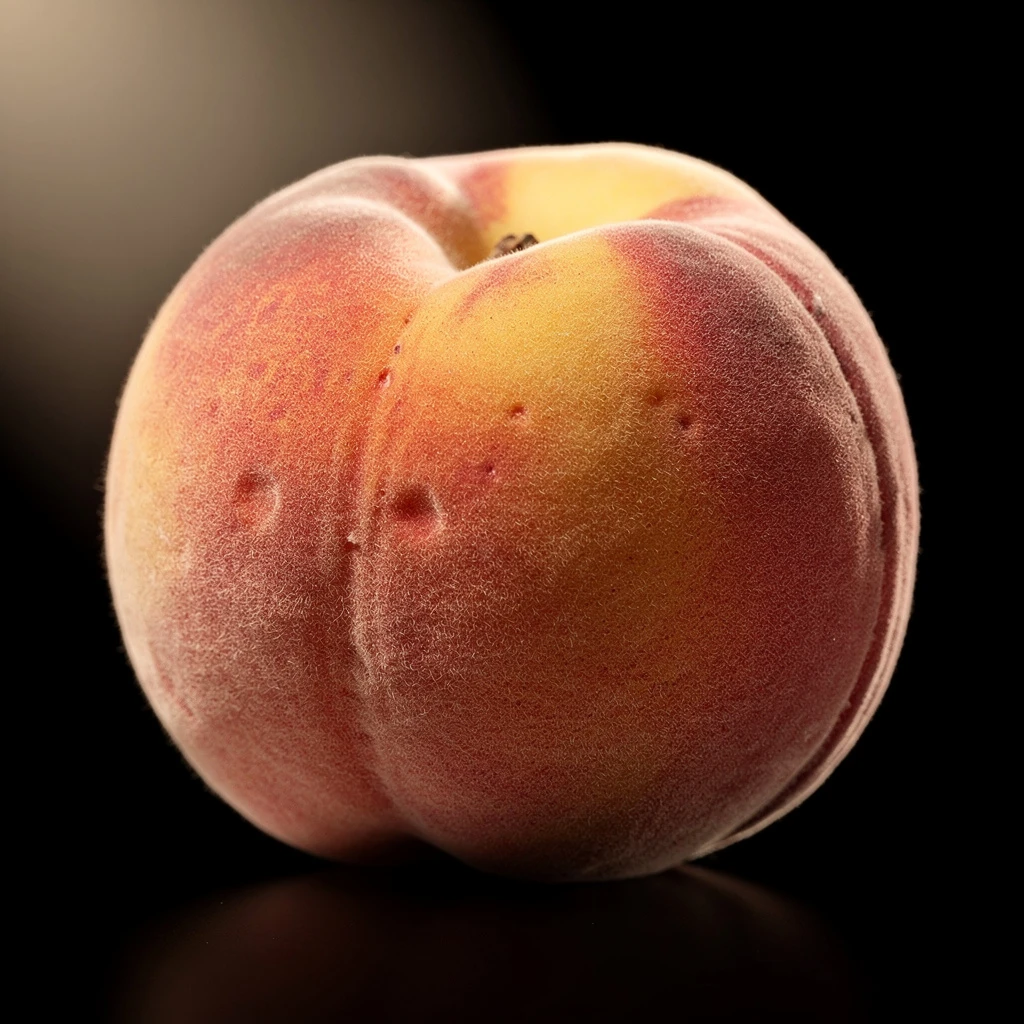
Yellow Nectarine
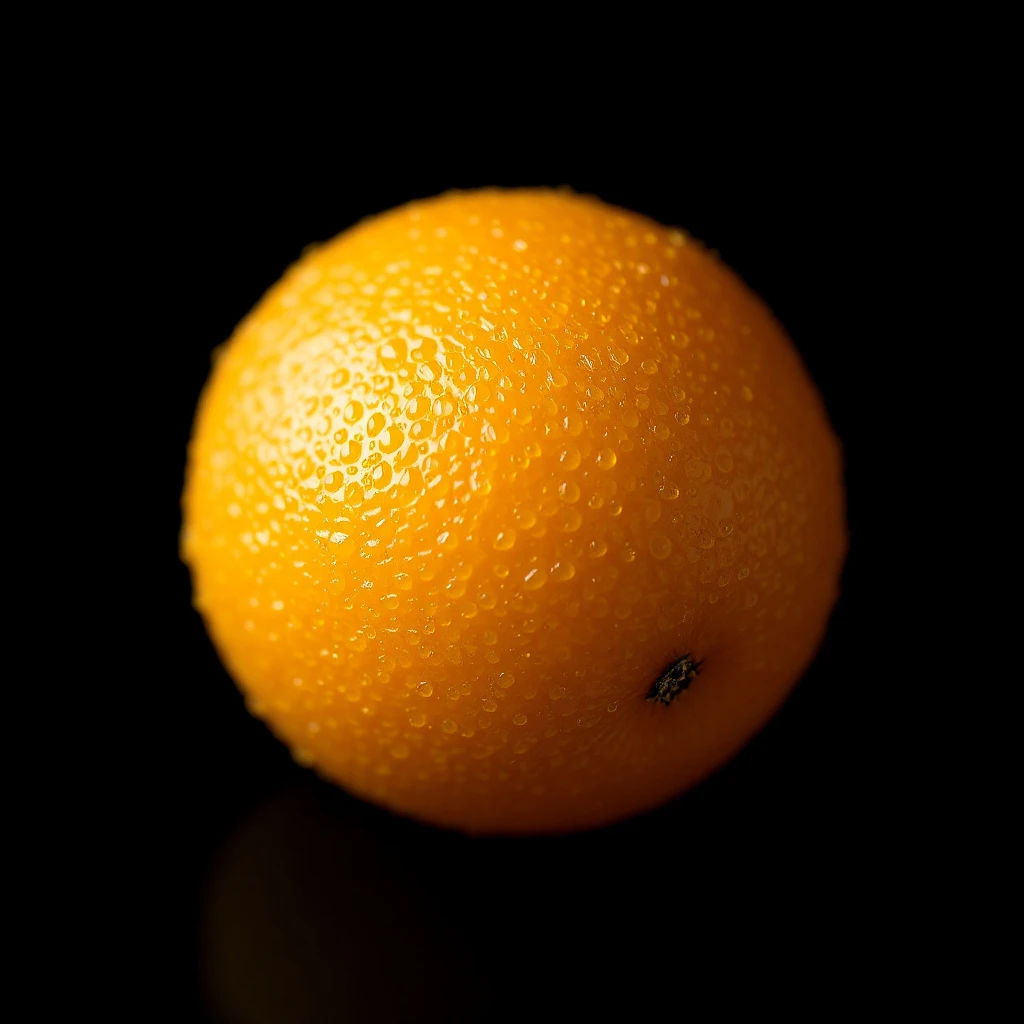
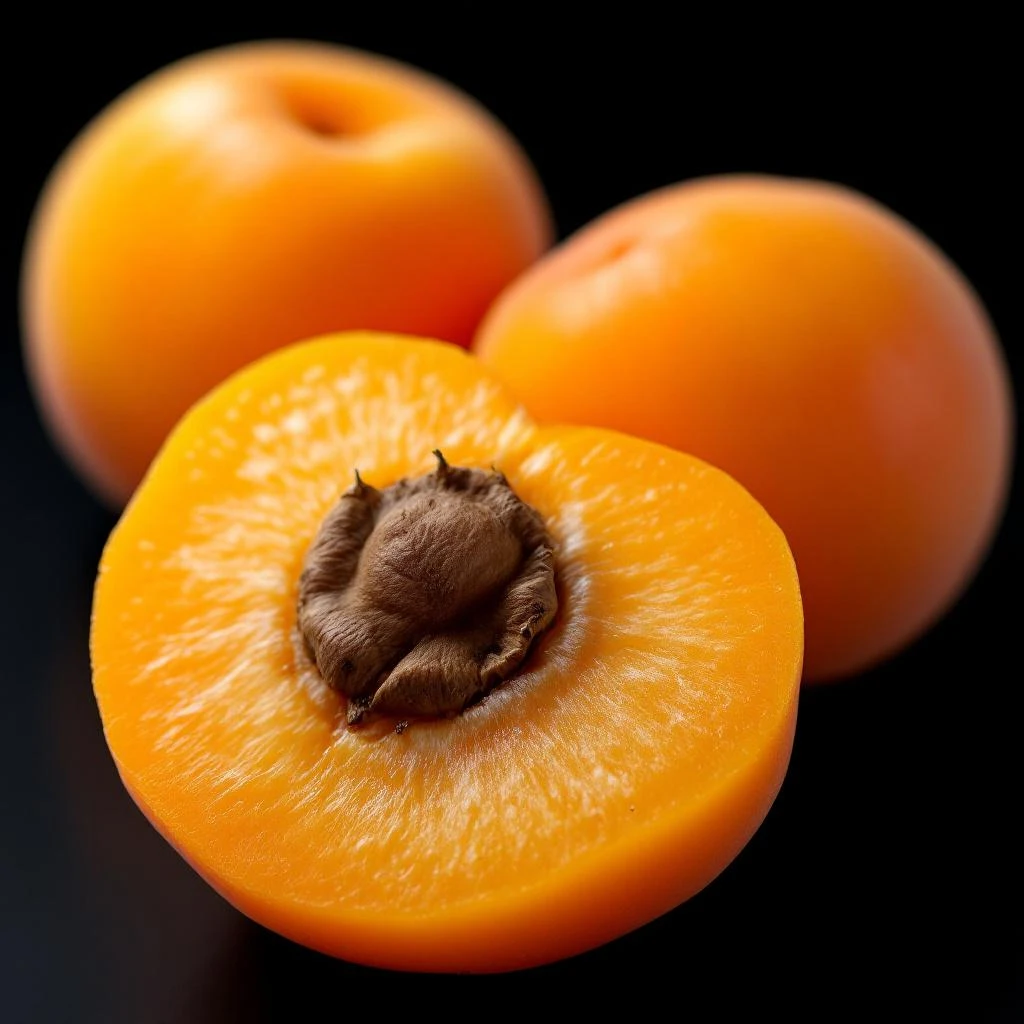
Yellow nectarine brings sun-warmed fruitiness to a fragrance, with juicy peach flesh, delicate floral notes, and a restrained honeyed finish.
Character
How it smells
Sunlit nectarine, served with aromatic depth.
In perfumery, yellow nectarine is more often a recreated aromatic profile than a single ingredient extracted directly from the fruit.
Origin
China
Yellow nectarine belongs to the modern fruit-note vocabulary of perfumery, where composers borrowed familiar sensory impressions from foods and plants rather than relying only on traditional resins, woods, and spices. Long before nectarine became a named note, fruit essences were difficult to preserve and often varied with each harvest.
The arrival of organic synthesis in the 19th century gave perfume makers more consistent aroma compounds, helping fruit accords become brighter and more controllable. The familiar “juicy peach” effect in modern fragrance is therefore largely a constructed profile rather than a literal capture of one fruit.
Its appeal lies in that balance: ripeness and sweetness sit close to a soft floral veil, creating an accessible, contemporary character. The yellow nectarine adds a gentler, rounder expression to the broader peach family.
Wears it best
Fragrances featuring Yellow Nectarine
Brands
Brands known for Yellow Nectarine
Good to know
Questions, answered
The essentials on Yellow Nectarine in perfumery: how it smells, where it comes from, and how it behaves on skin.
What does yellow nectarine smell like in perfume?
Yellow nectarine reads as juicy, sun-ripened fruit with soft peach flesh, delicate floral facets, and a light honeyed sweetness. One specific detail: its peach-like profile often combines fruit lactones with rose or jasmine accords.
Is yellow nectarine a natural fragrance ingredient?
It can be represented with natural fruit or leaf extracts, but most yellow nectarine accords are partly or largely recreated. Perfumers use selected aroma chemicals because nectarine itself produces only a small, variable aromatic fraction.
What is the difference between yellow nectarine and peach notes in fragrance?
Yellow nectarine is generally presented as rounder, sunnier, and more honeyed than the sharper, leafier impression of classic peach. One useful distinction is that nectarine often emphasizes ripe flesh, while peach accords may emphasize green leaves or pit-adjacent nuance.
Which fragrance family is yellow nectarine associated with?
Yellow nectarine belongs mainly to fruity-floral and fresh-fruity fragrance families. It works well with peach, citrus, rose, jasmine, musk, and soft woods, where its sweet fruit can remain clear rather than heavy.
How is nectarine extract made for perfumery?
Aromatic leaves or peels can be steam distilled, while fruit and blossoms may be processed by solvent extraction. Since these extracts vary and often provide only subtle aroma, perfumers commonly reinforce them with synthetic peach-related compounds.
Does yellow nectarine oil come directly from the fruit?
Not usually. A dedicated nectarine essential oil is uncommon, and fragrance oils labeled “nectarine” may be composed blends of fruit, floral, and synthetic materials. Their strength and composition can differ among suppliers.
Is yellow nectarine suitable for summer fragrances?
Yes. Its juicy sweetness and soft floral character fit warm-weather compositions, especially with citrus, aquatic notes, and light musks. One practical guideline is to let brighter ingredients lead while nectarine supplies rounded fruit depth.
Where does yellow nectarine fruit originate?
The cultivated nectarine originated in China, where the peach parent species was domesticated. Modern commercial production also includes significant areas in Europe, especially Italy, France, and Spain.