White Honeysuckle
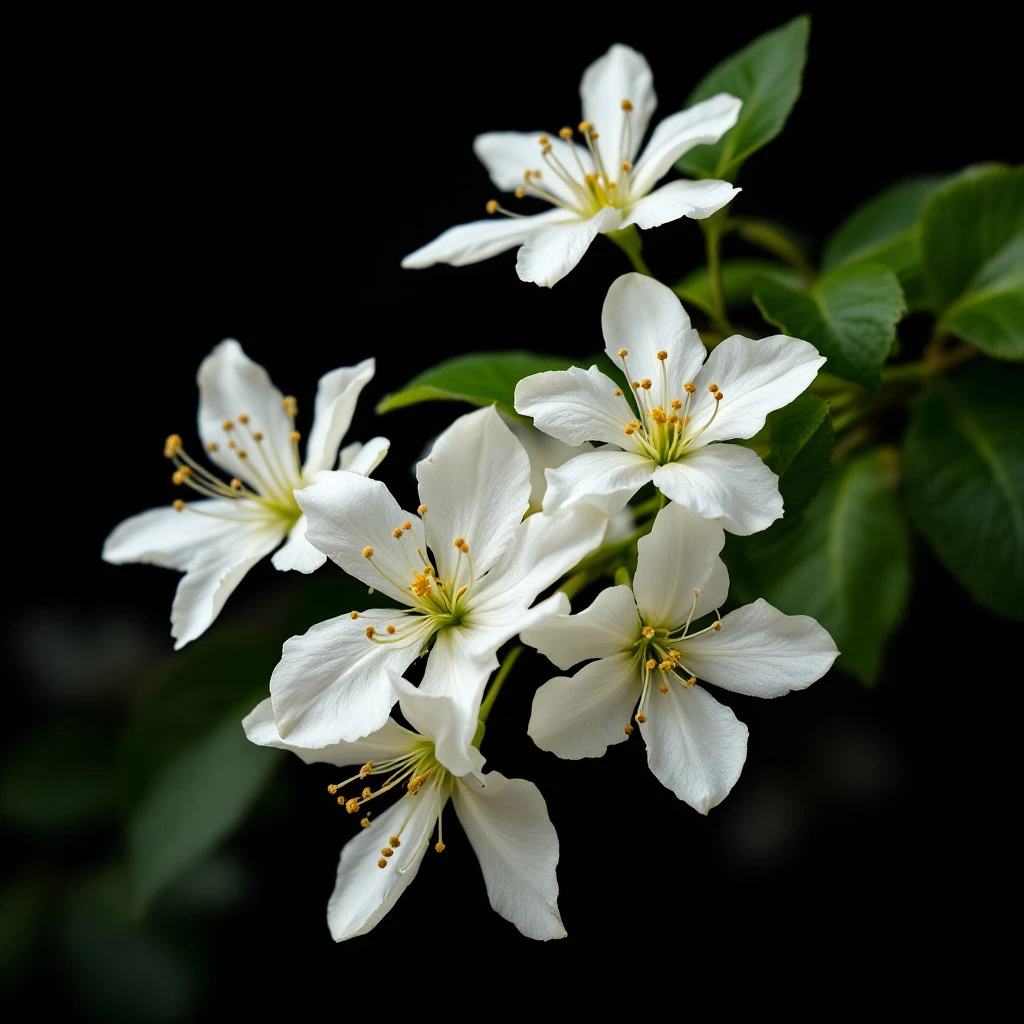
White honeysuckle carries the scent of a summer garden at dusk—sweet, dewy florals with honeyed undertones and a jasmine-like warmth. Elusive in nature, it has shaped perfumery through headspace technology and skilled synthesis.
Character
How it smells
Summer twilight in a bottle
Commercial honeysuckle absolute production ceased in the 1930s, making natural honeysuckle one of perfumery's rarest and most sought-after materials.




Origin
Turkey
Honeysuckle, Lonicera caprifolium, traces its roots to the Caucasus, spreading through Asia Minor to China, where it has been cultivated for centuries. Ancient Chinese gardens featured it for both ornament and medicinal use, while Mediterranean cultures embraced it for its sweet fragrance and climbing beauty. In art and poetry, honeysuckle has long symbolized devoted love and fidelity.
The Latin name caprifolium translates roughly as "honeysuckle goat-leaf," reflecting its climbing habit. By the Victorian era, honeysuckle carried associations with happiness and the sweetness of summer. Natural extraction was attempted briefly in the early 20th century but proved too costly to sustain.
Commercial honeysuckle absolute production ceased by the 1930s, leaving the flower largely absent from perfumery until headspace technology arrived. That breakthrough restored honeysuckle's place in the perfumer's palette, letting its warm, nostalgic scent live on in modern compositions.
Wears it best
Fragrances featuring White Honeysuckle
Brands
Brands known for White Honeysuckle
Good to know
Questions, answered
The essentials on White Honeysuckle in perfumery: how it smells, where it comes from, and how it behaves on skin.
What does white honeysuckle smell like?
White honeysuckle smells sweet, dewy, and nectarous. It carries the scent of a summer garden at dusk—soft florals with honeyed undertones. Jasmine-like warmth and gardenia creaminess define its character, released most powerfully as evening falls.
Is honeysuckle natural or synthetic in perfume?
Both, depending on the product. Commercial honeysuckle absolute production stopped in the 1930s. Natural absolute is extremely rare today. Most honeysuckle notes are synthetically recreated using headspace analysis data from living flowers.
Why did commercial honeysuckle absolute production stop?
Honeysuckle flowers are small, low-yielding, and produce their peak scent only at dusk. These factors made natural extraction economically unviable. Production ceased after the 1930s, and the floral remained absent from mainstream perfumery for decades.
What is headspace analysis in perfumery?
Headspace analysis captures the scent of a living plant using enclosed chambers and gas sensors. Swiss chemist Roman Kaiser pioneered the technique in the late 1970s, letting perfumers study honeysuckle on the vine rather than relying on extracted oil.
How does honeysuckle blend with other fragrance notes?
Honeysuckle harmonizes with jasmine, orange blossom, gardenia, tuberose, and green tea. Its sweet, creamy character adds warmth to bright citrus or cool green notes, and it works as a bridge between dewy florals and deeper base notes.
Where does honeysuckle originate botanically?
Lonicera caprifolium originated in the Caucasus region and spread through Asia Minor to China. The species name caprifolium means "goat-leaf" in Latin. Chinese cultivation produced prized varieties before trade routes spread the plant westward.
What cultures have valued honeysuckle?
Chinese gardens featured honeysuckle for centuries, using it in traditional remedies and treating it as a symbol of devoted love. Ancient Mediterranean cultures admired its climbing beauty and sweet evening fragrance, associating it with devotion and sweetness.
How did headspace technology revive honeysuckle in perfumery?
Before Roman Kaiser's headspace technique, perfumers had no reliable way to capture honeysuckle's true scent. The technology provided an authentic chemical blueprint, enabling synthetic recreations that restored honeysuckle's presence in modern fragrance.




