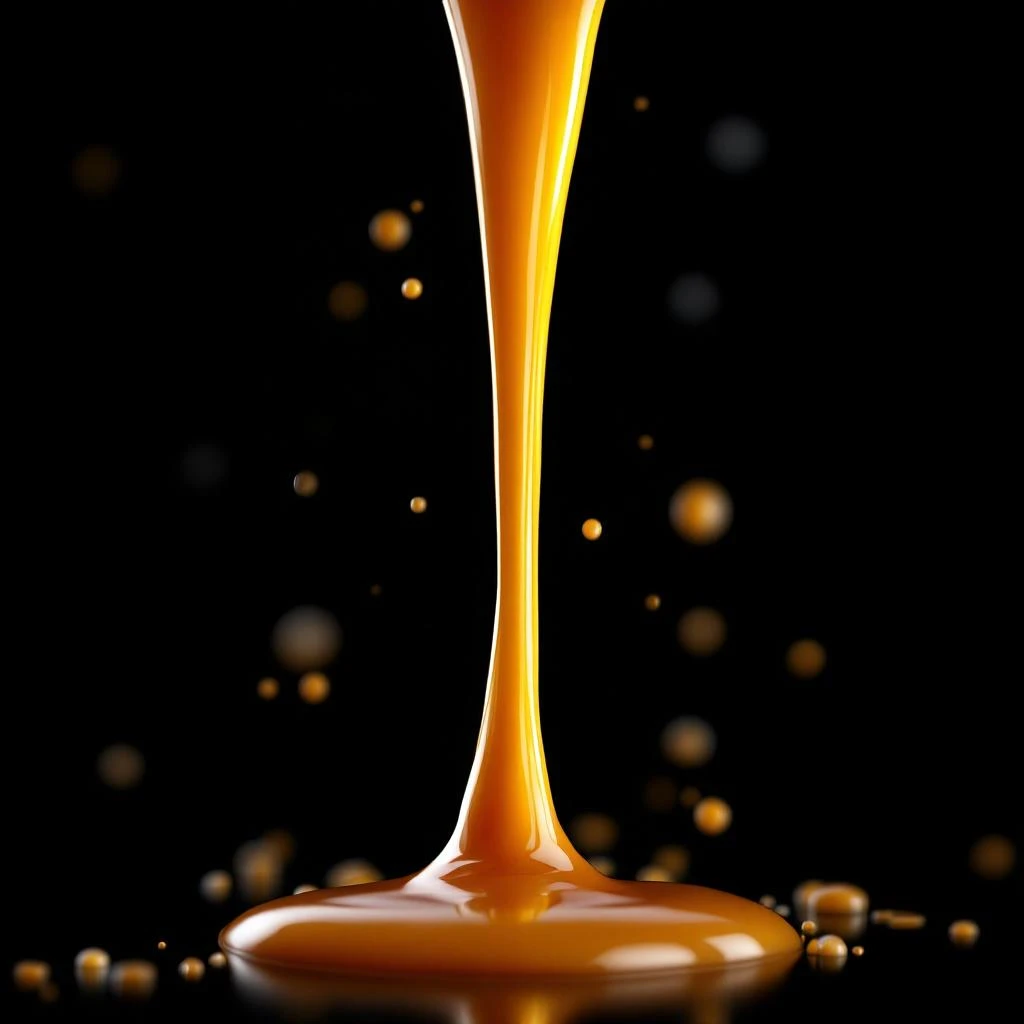
White Caramel
Warm, buttery, and irresistibly sweet. White Caramel brings a creamy confectionery depth to fragrances, evoking melted sugar, vanilla, and milk. A modern perfumery staple.
Character
How it smells
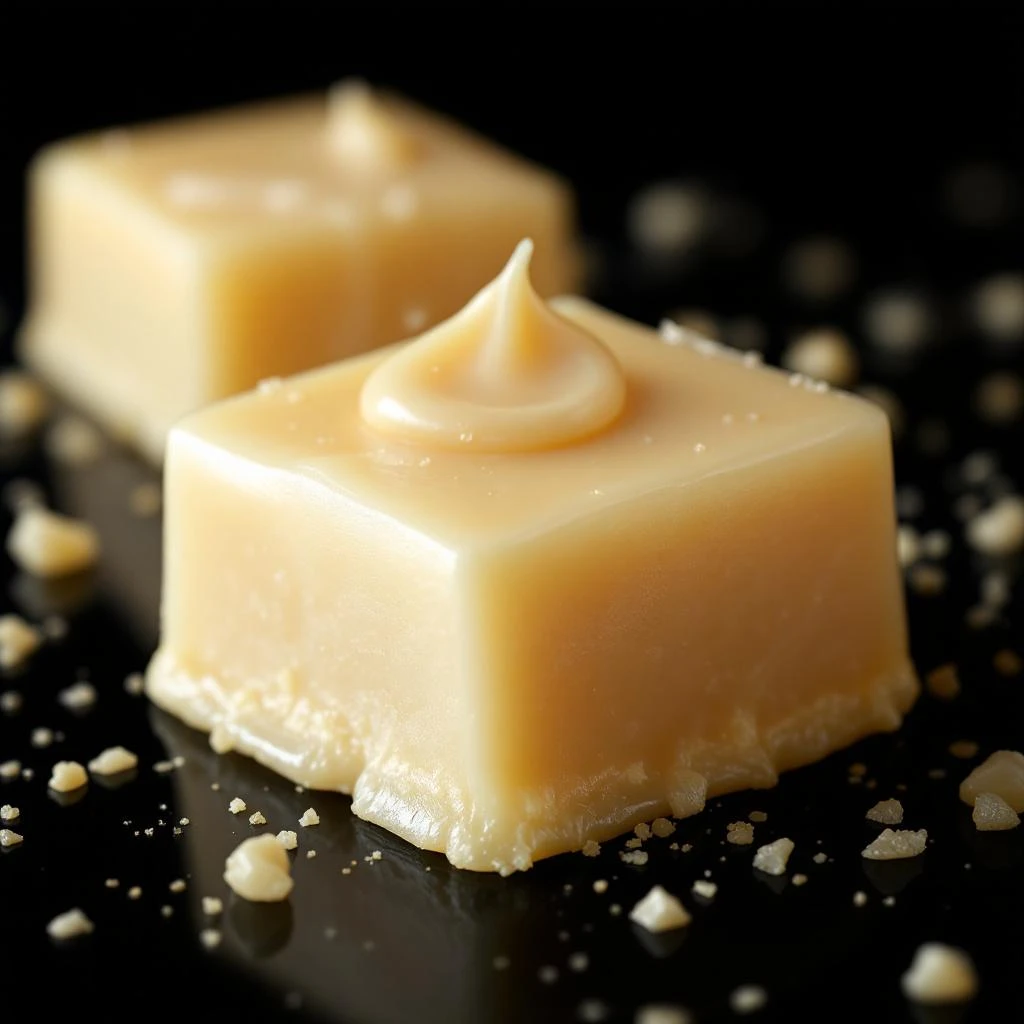
Creamy confectionery warmth with a buttery, melt-in-your-mouth sweetness.
Before Mugler's Angel launched in 1992, caramel wasn't a recognized fragrance category. Perfumers had to build the note from fenugreek, maple, and other ingredients.



Origin
France
The word 'caramel' comes from the Spanish caramelo and Latin cannamella, meaning sugar cane. Caramel confectionery became popular in 17th-century France, where cooks discovered that heating sugar produced this rich, golden treat. In perfumery, the story changed in 1992 when Mugler launched Angel, the first major fragrance to place edible sweetness at its center.
The perfumer Oliviere Multon combined unexpected notes like coconut, patchouli, and chocolate to create what became the gourmand revolution. Caramel followed as a key pillar of this new style. Today, white caramel appears in countless fragrances from mass-market lines to niche houses.
The note persists because it triggers comfort and indulgence without costing calories, which explains its rise in an age where consumers seek sensory pleasure without the sugar hit. Cyclotene, the primary molecule behind the note, was once extracted from fenugreek seeds before synthesis made it widely available.
Wears it best
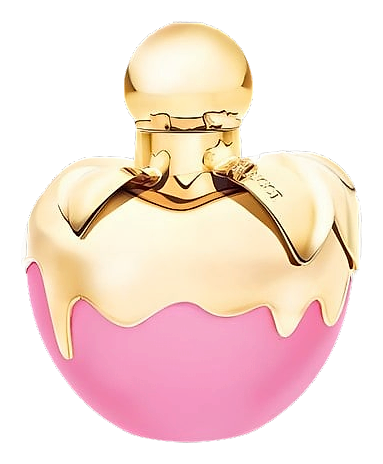
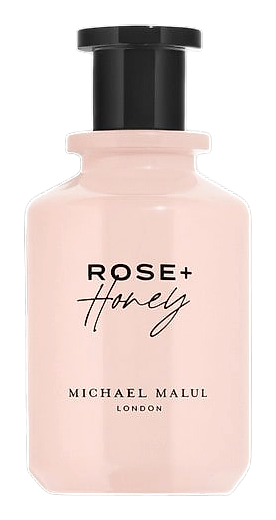
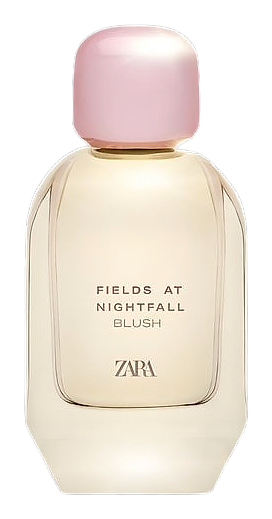
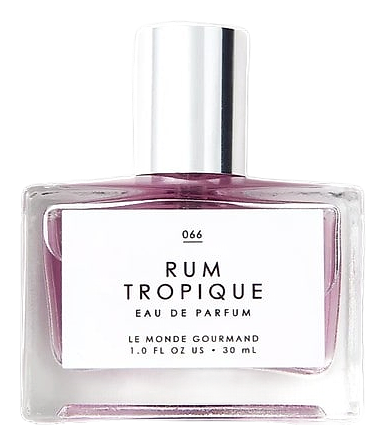
Fragrances featuring White Caramel
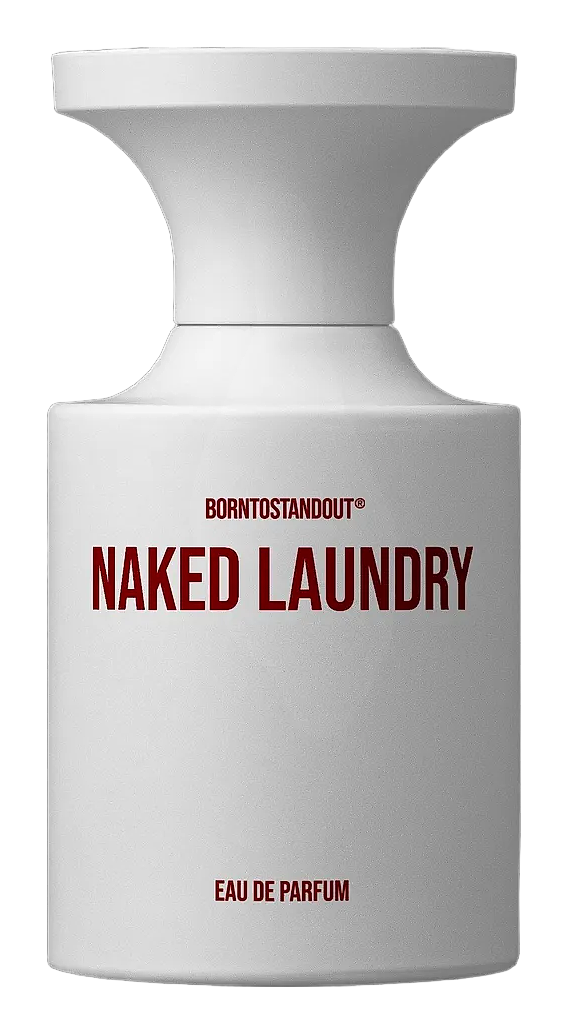
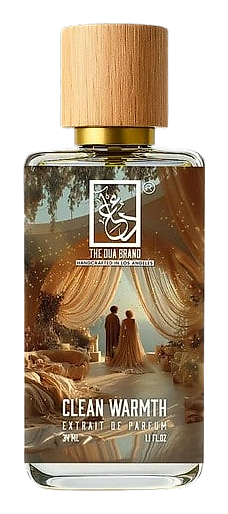
Brands
Brands known for White Caramel
Good to know
Questions, answered
The essentials on White Caramel in perfumery: how it smells, where it comes from, and how it behaves on skin.
Is real caramel used in perfume?
No. White Caramel is synthesized from aromatic molecules like Cyclotene and Sotolon, not actual caramel. These molecules replicate the scent of caramelized sugar.
Which molecule creates the caramel note in fragrance?
Cyclotene (methyl cyclopentenolone) is the primary molecule. It occurs naturally in fenugreek seeds, cocoa, and coffee, and is now produced synthetically for consistent use.
When did caramel become a fragrance note?
1992. Mugler's Angel pioneered the gourmand style by combining caramel sweetness with patchouli and chocolate, creating the modern edible fragrance category.
What does Sotolon smell like at different concentrations?
At low concentrations, it smells like caramelized sugar. At high concentrations, it takes on curry-like tonalities. Perfumers use it sparingly to maintain the sweet effect.
Does white caramel occur naturally?
Cyclotene occurs naturally in fenugreek seeds, cocoa, and coffee. But the white caramel note in perfumery is a deliberately constructed combination of synthetic and nature-identical molecules.
Why is white caramel so popular in modern perfumery?
It offers indulgence without calories. In an age of mindful consumption, scented comfort appeals to consumers who want sensory pleasure without physical sweetness.
What foods share香气 compounds with white caramel?
Maple syrup, fenugreek, coffee, cocoa, sake, and botrytized wines all contain molecules that perfumers use to construct caramel notes.
What fragrance families pair with white caramel?
White caramel works in oriental, gourmand, and floral fragrances. It adds warmth to vanilla, depth to patchouli, and sweetness to amber constructions.