The Story
Why it exists.
The beginning
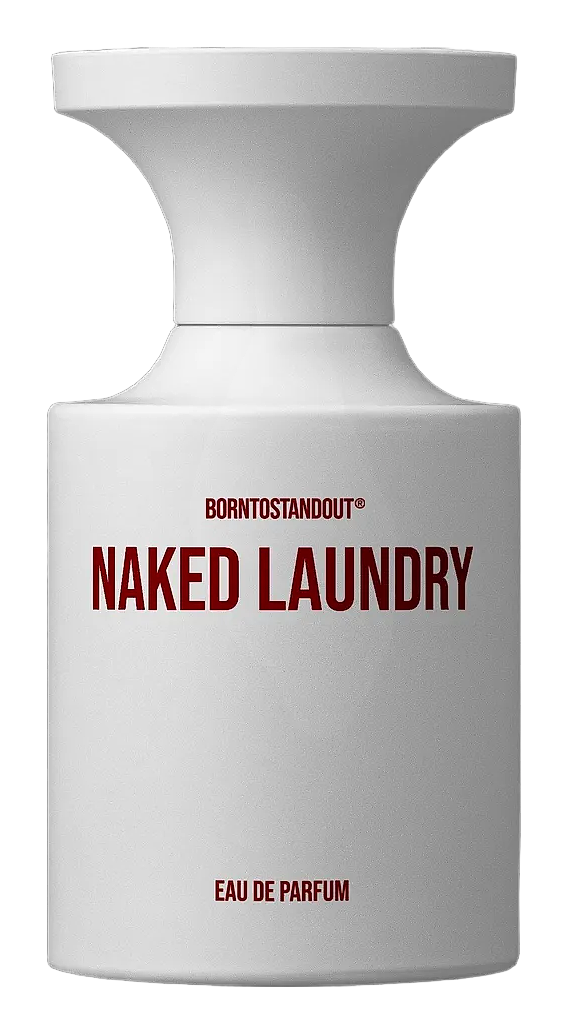
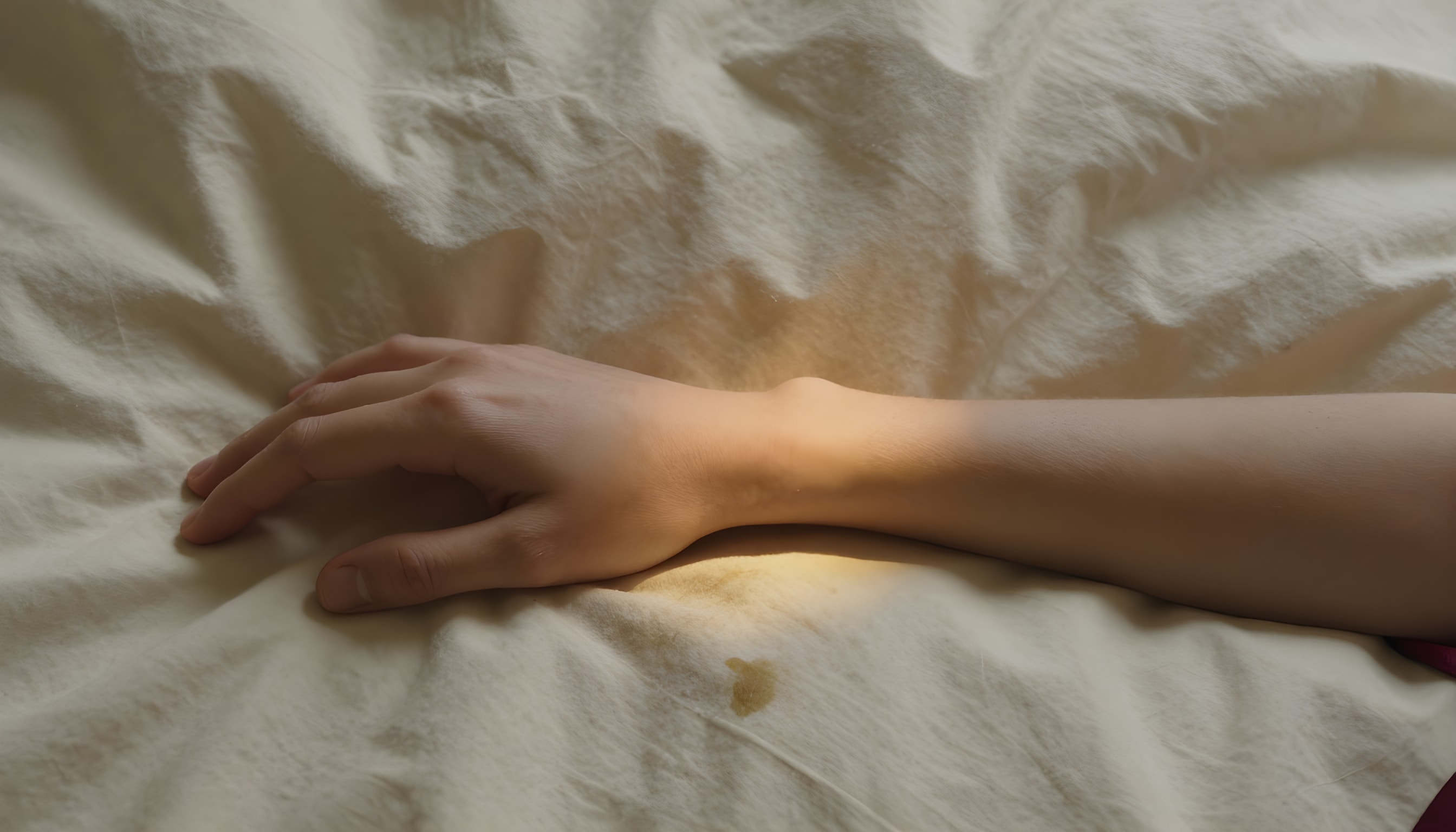
Naked Laundry began as a provocation, a fragrance that starts as innocent as freshly washed linen and arrives somewhere else entirely. The concept is simple: what if clean wasn't the opposite of dirty, but the beginning of it? Perfumer Maxime Exler built the composition around the tension between aldehydic brightness and animalic warmth, between the idea of something pristine and the evidence of it being lived in. The name says it all. This is the scent of sheets that have been made with care, then slept in with intent. The 2024 launch arrived with the brand's signature directness: Starts CLEAN, Finishes DIRTY. Starts INNOCENT, Ends SINFUL. It's not subtle, and it's not meant to be. The question wasn't whether this fragrance would be divisive, it was designed to be, but whether it could make people smell something they thought they didn't want, and then want it anyway.
Skatole functions as more than a note here. It operates as a narrative device, the ingredient that tells you the story has changed, that the bed has been slept in, that whatever happened in those sheets left a mark. In most contemporary fragrances, skatole is minimized, masked, or relegated to the fine print. Naked Laundry puts it center stage. The aldehydic opening performs a specific function: it creates a bridge between what we think of as clean and what we think of as intimate. Aldehydes have the quality of triggering recognition, the smell of crisp hotel sheets, of fabric softener, of something freshly laundered. That familiarity is the bait.
The evolution
The opening hits fast, aldehydes and mandarin oil, bright and soapy, like stepping into a hotel room where the bed is made with military precision. The skatole is present from the start but behaves at first, staying beneath the aldehydes like a secret. For the first thirty minutes, this could be any clean floral. Then it shifts. By the end of the first hour, the skatole has made itself known. Not aggressive, the aldehydes are still there, but no longer pretending. This is where the fragrance earns its name. Warm skin, honey, the sweetness of something that was innocent and isn't anymore. The mimosa absolute adds a powdery floral quality that keeps the sweetness from becoming cloying, and the white caramel builds slowly, hour by hour. The drydown is where Naked Laundry earns its reputation. Tonka bean absolute, milk, ambery woods, the skatole doesn't disappear. It deepens. Settles into the composition like a memory. This is the smell of skin that's been warm, of sheets that have been shared. The milk note keeps it soft; the woods give it substance.
Cultural impact
Naked Laundry occupies an unusual position in contemporary fragrance, it was designed to be polarizing, and it succeeded. The aldehydic opening functions as a marketing device and a compositional choice simultaneously: it signals clean, it creates accessibility, and it sets up the tonal shift that makes the fragrance memorable. The skatole is not a supporting note. It is the argument. The fragrance sits in a gap between fresh and provocative, appealing to wearers who find most aldehydic fragrances too austere and most animalic fragrances too heavy. This is neither. It's the fragrance for someone who wants to smell like clean sheets and not apologize for what happened in them.