Skatole
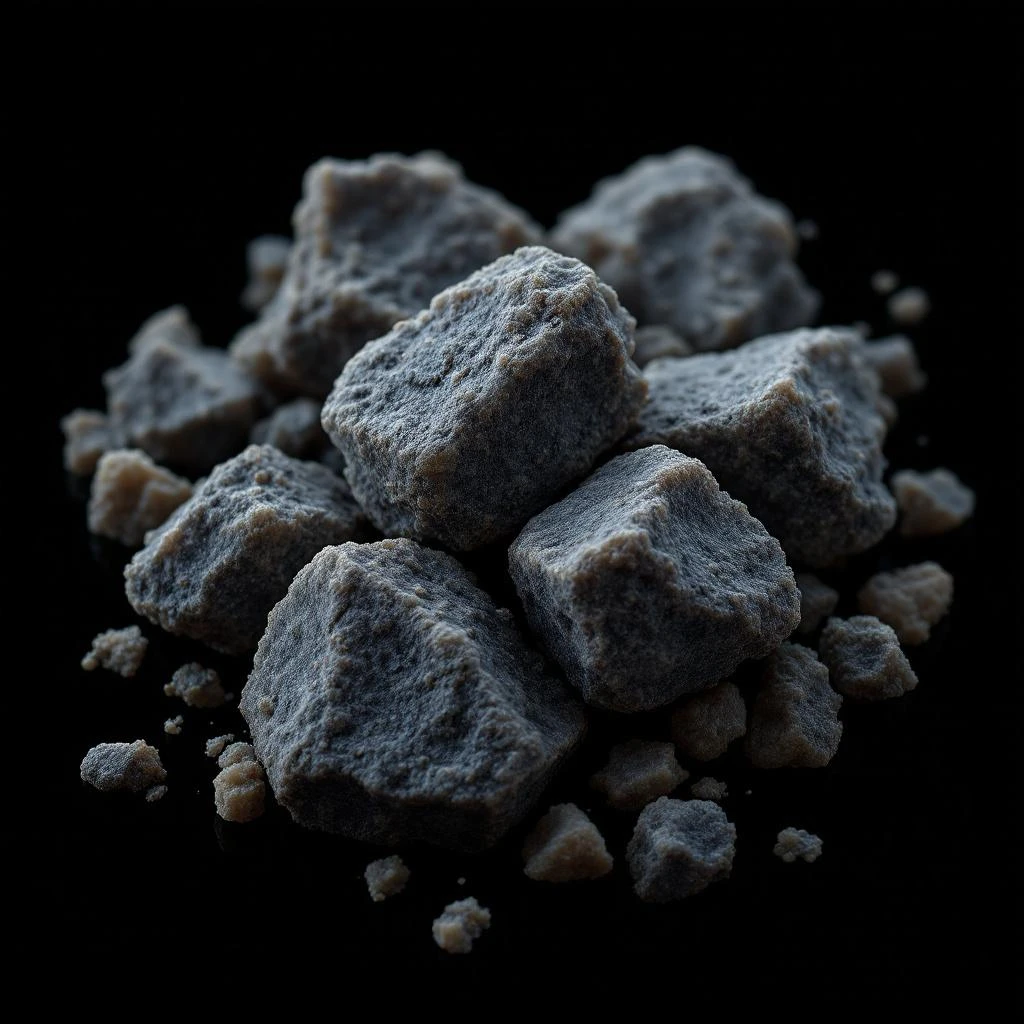
Skatole (3-methylindole) is an organic compound that exists in one of perfumery's most provocative paradoxes: at high concentrations it is the primary odorant of mammalian feces, yet at trace levels it becomes a sweet, floral molecule found in jasmine, orange blossom, and other precious florals. This concentration-dependent character makes it a powerful tool in the perfumer's palette, functioning simultaneously as a fixative and a nuanced additive.

Character
How it smells
Fecal in high doses, floral in trace amounts.
German physician Ludwig Brieger isolated skatole in 1877 and named it from the Greek "skato-" meaning feces, yet this same compound appears naturally in orange blossom and jasmine.







Origin
India
Skatole takes its name from the Greek word for feces, a direct reference to its dominant presence in mammalian waste, yet this unflattering etymology obscures a surprisingly fragrant history. Ludwig Brieger first isolated the compound in 1877, identifying it as a distinct molecule responsible for fecal odor. However, perfumers had long encountered skatole indirectly through civet, an aromatic secretion from African and Indian civet cats that contains skatole as a significant component.
Civet was prized in classical perfumery for centuries, and diluted civet produces a deep, musky character that was considered highly desirable in fragrance bases. Contemporary perfumery has fully synthetic alternatives that recreate skatole's fixative properties without any animal products. The molecule also appears in the Arum lily (Zantedeschia aethiopica), where it functions as a subtle pollinator attractant, drawing bees and crawling insects to the spadix.
In Indian perfumery traditions, jasmine sambac and orange blossom both contain trace levels of skatole, contributing to the complex, animalic warmth that distinguishes these materials.
Wears it best
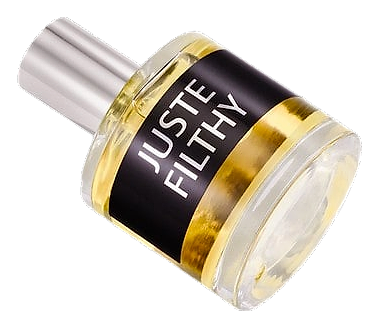
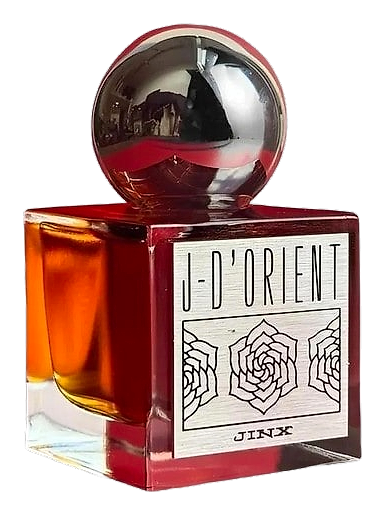
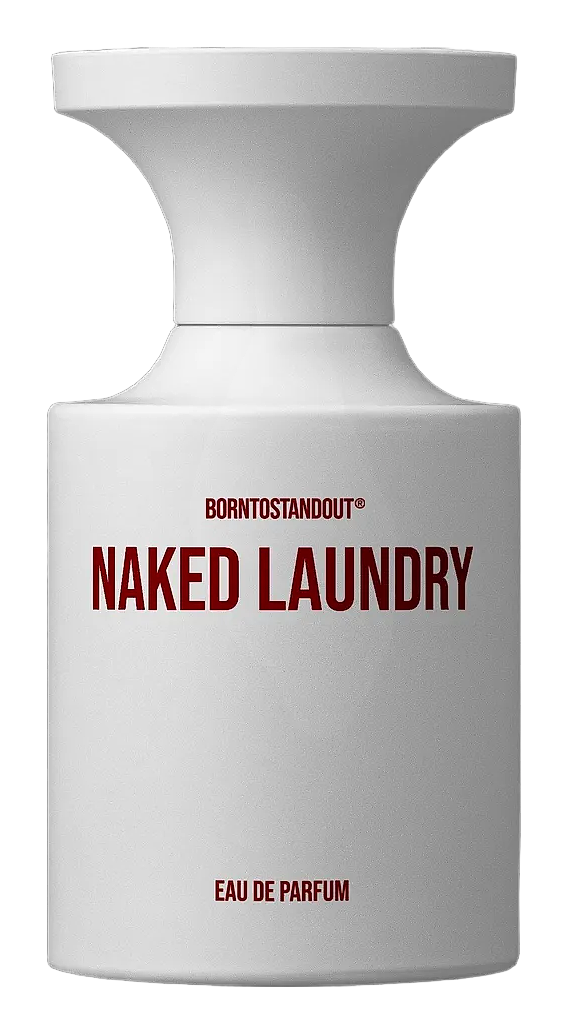
Fragrances featuring Skatole
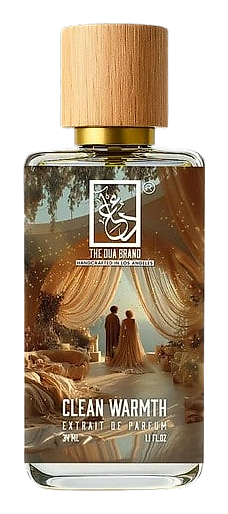
Brands
Brands known for Skatole
Good to know
Questions, answered
The essentials on Skatole in perfumery: how it smells, where it comes from, and how it behaves on skin.
What does skatole smell like in perfumery?
At trace concentrations skatole adds a sweet, slightly animalic floral character often described as indolic. It brings depth and warmth to white floral compositions, particularly jasmine and orange blossom bases, while its fixative properties extend the longevity of the overall fragrance.
Why does skatole have two different odors?
Skatole exhibits classic concentration-dependent odor characteristics. At high concentrations (such as in feces) it is overwhelmingly fecal and unpleasant. At parts-per-million levels found in flowers, it expresses a pleasant, sweet, floral scent with slight animalic undertones. This paradox makes it uniquely versatile in formulation.
Where does skatole occur naturally?
Skatole occurs at trace levels in several florals including jasmine (Jasminum spp.), orange blossom (Citrus aurantium), and the Arum lily (Zantedeschia aethiopica). It is also a natural byproduct of mammalian tryptophan metabolism, produced in the digestive tract and present in feces. Orchid bees collect skatole to synthesize pheromones.
Is skatole used as a fixative in perfume?
Yes. Skatole has low volatility, allowing it to anchor more volatile top and heart notes in a fragrance composition. Perfumers use it in base note formulations at low percentages to extend the overall scent lifespan, similar to how natural civet was used in classical perfumery.
Who discovered skatole and when?
German physician Ludwig Brieger (1849-1919) isolated skatole in 1877 while studying the metabolic byproducts of mammalian digestion. He determined its chemical structure and named it from the Greek word for feces to reflect its primary natural source.
Is the skatole in commercial products synthetic?
Yes. Commercially, skatole is produced via the Fischer indole synthesis, which creates a molecule chemically identical to the natural compound. This eliminates dependence on animal-derived civet and ensures consistent quality and purity across batches for both fragrance and food applications.
What ecological role does skatole play in nature?
In plants like the Arum lily, skatole serves as a pollinator attractant. Its subtle scent draws bees and crawling insects to the spadix, facilitating cross-pollination. Orchid bees also use collected skatole as a building block for pheromone synthesis, suggesting a role in chemical communication.
Is skatole safe for use in consumer products?
Skatole carries GHS hazard classifications for irritation and environmental hazard (PubChem LCSS). In regulated consumer products such as perfumes and food flavorings, it appears only at trace concentrations well below any threshold of concern, as established by IFRA and FEMA GRAS evaluations.