Watermelon Rind
Watermelon rind in perfumery exists entirely as a laboratory creation. The fruit yields almost no usable aromatic material through traditional extraction, so perfumers rely on synthetic aroma molecules to capture that crisp, watery, green sweetness.

Character
How it smells
A summer whisper bottled by science
Watermelon flesh and rind produce virtually no essential oil. Every watermelon note in commercial perfumery exists because chemists learned to rebuild the scent molecule by molecule.







Origin
N/A (synthetic origin)
The history of watermelon in perfumery is remarkably short precisely because the fruit resists traditional extraction. For centuries, perfumers worked with whatever nature provided: flowers, woods, resins, citrus peels, and animal secretions. Watermelon never entered that catalog. The plant's fruit simply did not cooperate with distillation or enfleurage, and its fleeting aroma disappeared the moment the fruit was cut or bruised.
That changed only with the rise of organic synthesis in the 20th century. As chemists learned to identify and recreate individual aroma molecules, they finally cracked the watermelon code. By the late 1980s and early 1990s, aquatic and fruity fragrance trends had created commercial demand for a convincing watermelon accord, and synthetic versions began appearing in mainstream launches.
The note represents a turning point in fragrance history. It signals the moment when perfumers stopped waiting for nature to provide and started commissioning scent molecules to order. Today, watermelon rind remains a purely synthetic construction, a small but telling marker of how modern perfumery increasingly relies on the laboratory alongside the field.
Wears it best
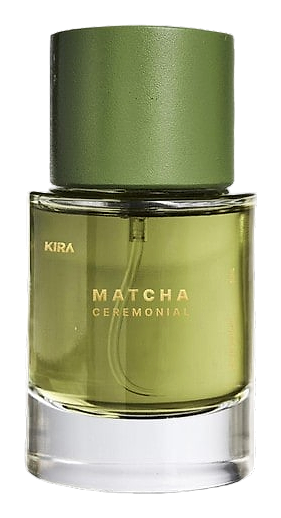
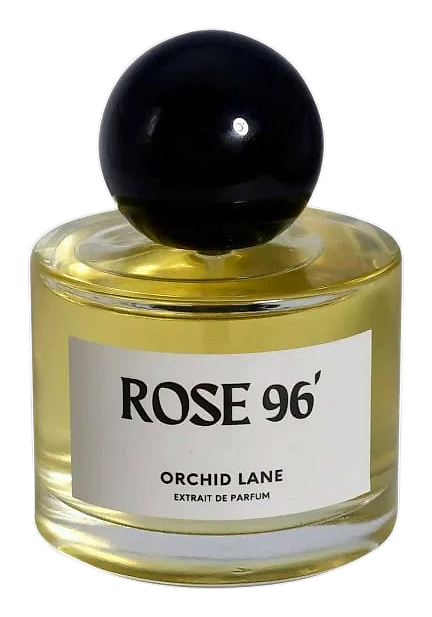
Fragrances featuring Watermelon Rind
Brands
Brands known for Watermelon Rind
Good to know
Questions, answered
The essentials on Watermelon Rind in perfumery: how it smells, where it comes from, and how it behaves on skin.
Is watermelon rind a natural perfumery ingredient?
No. Watermelon rind yields almost no aromatic material through extraction. Every watermelon note in commercial perfumery is constructed from synthetic aroma molecules designed to mimic the fruit's scent.
Why can't watermelon be distilled like other fruits?
The fruit contains over 90 percent water and only trace amounts of volatile aroma compounds. Traditional methods such as steam distillation and cold pressing cannot recover enough material to make extraction economically viable.
What does watermelon rind smell like in perfume?
The synthetic accord typically combines green, watery, and slightly sweet notes, often layered with aquatic molecules to produce the impression of fresh-cut melon on a warm day.
When did watermelon first appear in perfumery?
The note became commercially viable in the late 1980s and early 1990s, driven by advances in aroma chemistry and the rise of aquatic fragrance trends that demanded convincing fruity watermelons.
Are there natural alternatives to synthetic watermelon?
Not commercially. Some melon relatives, like certain Cucumis melo varieties, have been studied for their volatile profiles, but no natural extraction reliably reproduces the watermelon scent at production scale.
Is watermelon rind used in any natural perfume traditions?
No historical tradition exists. Ancient perfumers in Egypt, Mesopotamia, and India worked with available botanicals, and watermelon offered no extractable aroma. The note only exists because of modern synthesis.
How do perfumers build a watermelon accord?
Chemists combine specific aldehydes and lactones with green and aquatic materials. The blend is engineered to trigger the brain's association with fresh watermelon rather than to contain any actual fruit extract.
Could biotech eventually produce natural watermelon scent?
Possibly. Fermentation-based production of specialty aroma molecules is advancing quickly, and it may eventually yield a bioidentical watermelon compound. For now, chemical synthesis remains the standard route.



