Water Violet
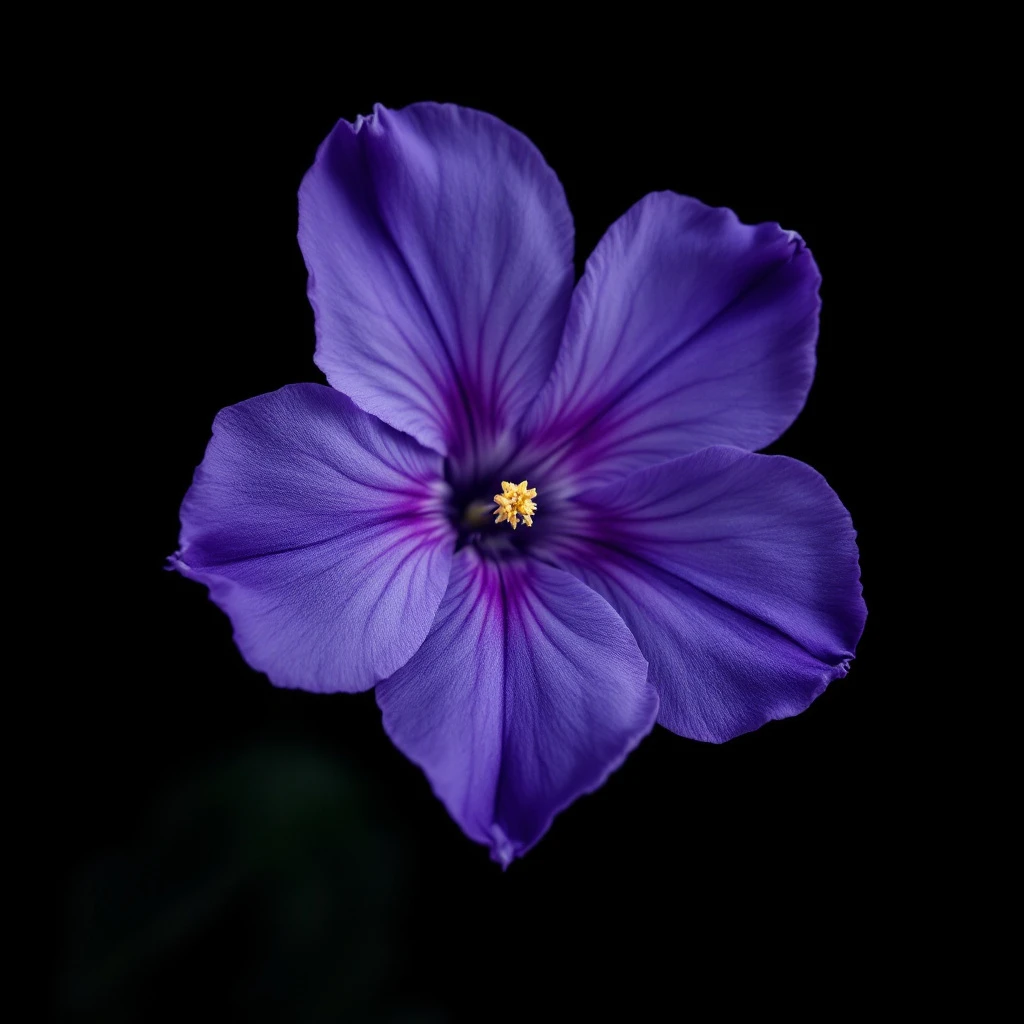
Water violet captures a dewy, green-edged floral note that nature itself struggles to provide. The living flower yields almost nothing to extraction, making this scent a triumph of chemistry over botanical silence.
Character
How it smells
The mute flower, finally given a voice
Violets are called mute flowers because their scent molecules, called ionones, temporarily numb the olfactory receptors, causing the aroma to vanish and return in waves.






Origin
France
Violet holds one of the oldest positions in the fragrant arts. Romans layered violet-scented waters over harsh odors in their banqueting halls, and Greek physicians prescribed the flowers for headaches and melancholy. By the Elizabethan era, the bloom had become a luxury of the courts: Queen Elizabeth I kept a perfumer named Ralph to prepare her personal water of violets, a distilled floral wash applied to skin and linens.
Centuries of connoisseurs ranked true violet oil among the most precious materials a perfumer could work with, which meant almost no one could afford it. The flower earned the nickname mute flower, because its aroma disappears and reappears in the nose rather than fading steadily. When Tiemann isolated the ionones in Berlin in 1893, the perfume industry finally possessed a way to bottle violet's elusive scent at scale.
The discovery reshaped late-Victorian perfumery and established the dewy, powdery violet accord that still anchors many fine fragrances today.
Wears it best
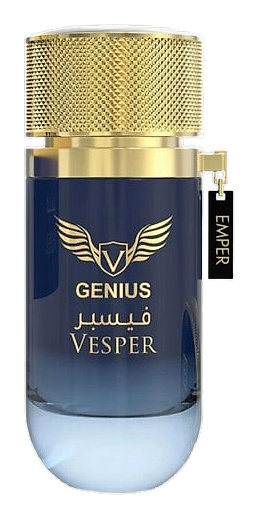
Fragrances featuring Water Violet
Brands
Brands known for Water Violet
Good to know
Questions, answered
The essentials on Water Violet in perfumery: how it smells, where it comes from, and how it behaves on skin.
What does water violet smell like in perfume?
Water violet smells dewy, cool, and powdery with green edges and a soft floral sweetness. The effect is watery without being sharp, evoking damp petals and morning air. Perumers prize it for adding a translucent, watery lift to floral compositions.
Is water violet made from real violets?
Almost never. Real violet extraction from Viola odorata requires roughly 33,000 kilograms of flowers to yield one kilogram of absolute, making natural violet oil among the most expensive perfumery materials in history. Nearly all water violet notes today rely on synthetic ionones.
Why is the violet called a mute flower?
Violets earned the name mute flower because their key scent molecules, the ionones, temporarily desensitize the olfactory receptors after a few seconds. The aroma appears to vanish, then returns as receptors recover, creating the illusion that the flower has no continuous scent.
Who first synthesized violet scent?
Chemist Ferdinand Tiemann isolated and synthesized alpha-ionone and beta-ionone at the University of Berlin in 1893. His work unlocked commercial violet perfumery and remains the foundation of nearly every violet-scented fragrance produced today.
When was violet used in ancient perfumery?
Ancient Greeks and Romans used violet-scented waters to mask unpleasant odors in banquet halls and as medicinal fragrances. By the 1500s, Queen Elizabeth I had a personal perfumer prepare water of violets for her skin and linens, cementing the flower’s luxury status.
How is natural violet absolute extracted?
Traditional extraction used enfleurage, where fresh flowers were pressed into purified fat to absorb their fat-soluble volatiles. Solvent extraction later replaced this method, producing a concrete and absolute with a soft, powdery-green character, though at extremely low yields and prohibitive cost.
What perfumers use the water violet note?
Water violet appears across green florals, chypres, and masculine fougères where it adds a watery, slightly powdery lift. It pairs especially well with iris, rose, mimosa, and cucumber accords, lending a fresh, dewy quality to both classic and contemporary compositions.
Can water violet be grown at home for perfumery?
Home cultivation yields little usable material for perfumery. The flowers contain ionones at such low concentrations that thousands of kilograms are needed for even a small amount of absolute. Anyone seeking violet scent for personal use should rely on synthetic ionone-based formulations instead.




