Water Fruit
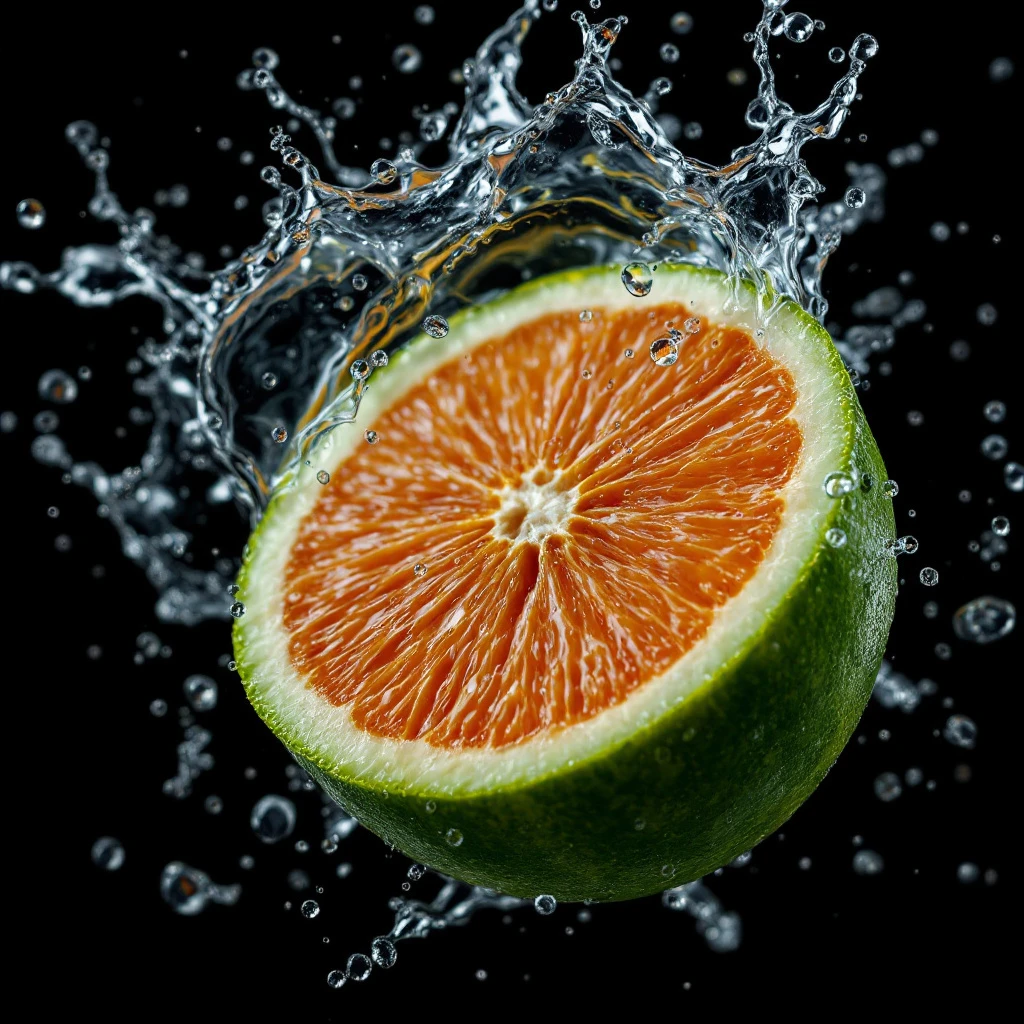
Water Fruit captures the scent of high-moisture fruits and their fresh, translucent quality. This modern fragrance note bridges the gap between juicy sweetness and aquatic clarity, recreating the sensation of biting into perfectly ripe, water-heavy fruit.
Character
How it smells
Where juicy sweetness meets aquatic clarity
The watery quality in these fragrances comes from molecules like cis-3-hexen-1-ol, the same compound that gives freshly cut grass its green scent.







Origin
France
The concept of Water Fruit as a fragrance note emerged from the evolution of modern perfumery in the twentieth century. As synthetic chemistry advanced, perfumers gained access to molecules that could recreate the delicate, translucent qualities of watery fruits previously impossible to capture. The post-war era saw increasing demand for fresh, clean fragrance profiles, driving innovation in aquatic and fruity accords.
The 1970s brought breakthroughs in producing the crisp, green-watery character that defines modern Water Fruit compositions. Today, this note represents a sophisticated blend of scientific precision and sensory artistry, drawing on decades of olfactory research to create an experience that feels both ancient in its fruit inspiration and thoroughly modern in its execution.
Wears it best
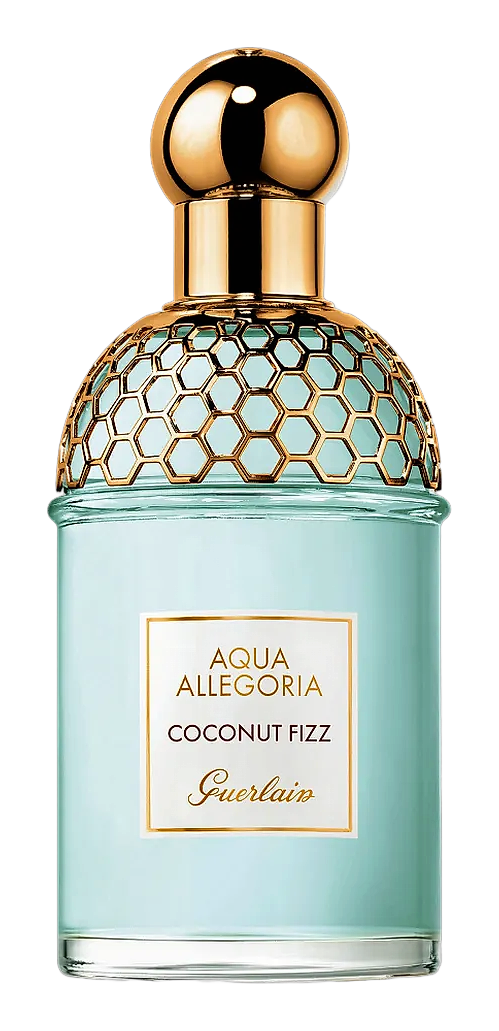
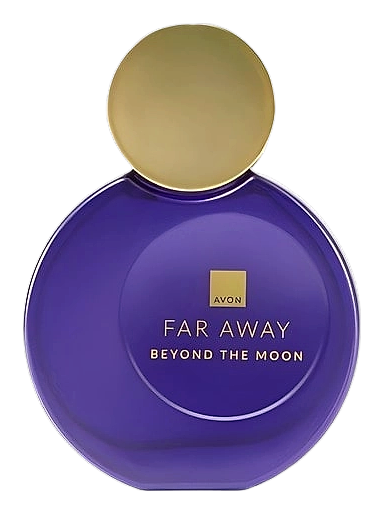
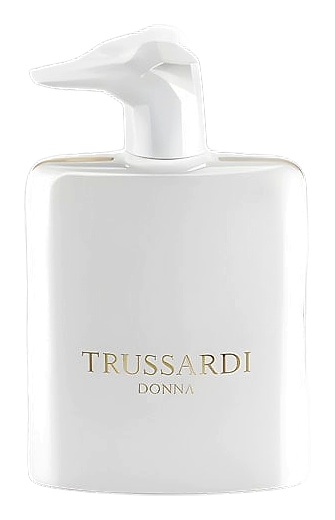
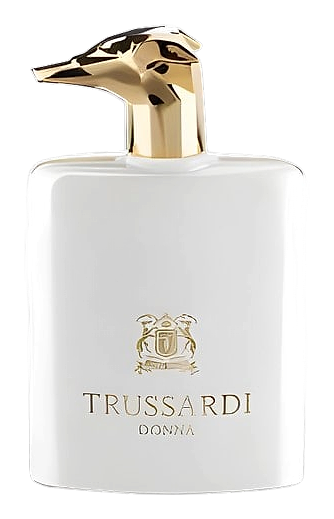
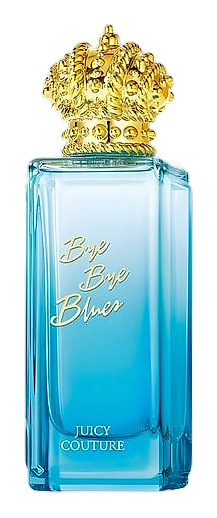
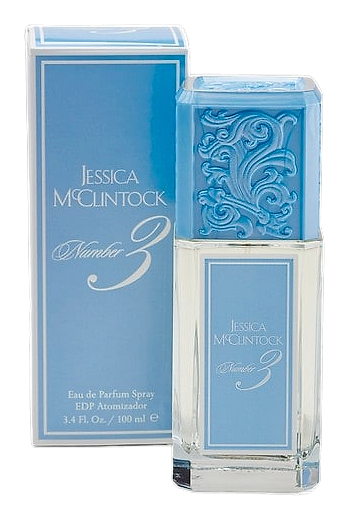
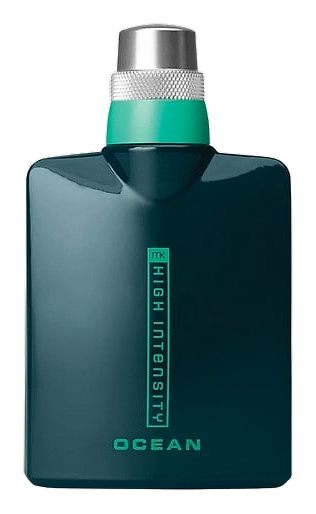
Fragrances featuring Water Fruit

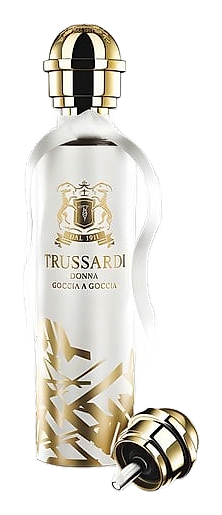
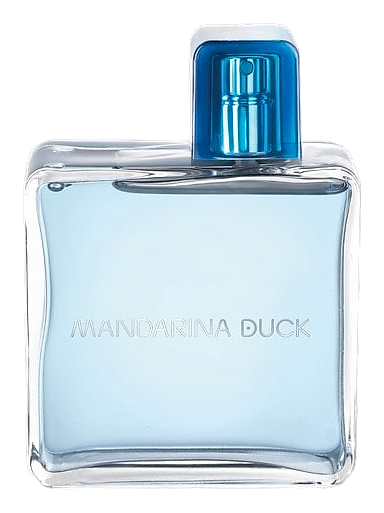
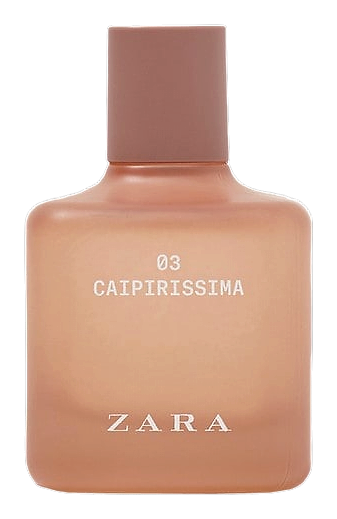
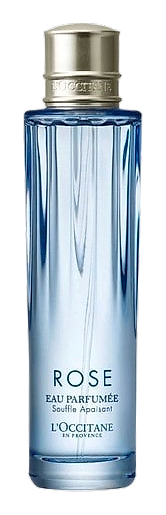
Brands
Brands known for Water Fruit
Good to know
Questions, answered
The essentials on Water Fruit in perfumery: how it smells, where it comes from, and how it behaves on skin.
What does Water Fruit smell like?
Water Fruit smells like the fresh, translucent scent of high-moisture fruits such as watermelon, honeydew melon, and cucumber. It balances juicy sweetness with a clean, almost aquatic quality that feels light and refreshing.
Is Water Fruit a natural ingredient?
No, Water Fruit is a modern synthetic accord created in laboratories. It combines multiple aromatic molecules to capture the characteristic freshness and watery quality of fruits with high water content.
What molecules create the watery effect in Water Fruit?
The watery effect primarily comes from green note molecules like cis-3-hexen-1-ol and its derivatives. These compounds mimic the crisp, fresh quality found in freshly cut fruits and vegetables.
When was Water Fruit first used in perfumery?
Water Fruit accords emerged primarily in the late twentieth century as synthetic chemistry advanced. The fresh, aquatic fruity profile became popular starting in the 1970s and evolved significantly through the 1990s.
What fragrances commonly feature Water Fruit notes?
Water Fruit appears in many modern aquatic and fruity fragrances across various brands. It pairs well with marine notes, light florals, and other fresh fruit accords to create clean, modern scent profiles.
Does Water Fruit contain any natural ingredients?
Water Fruit is primarily synthetic, though perfumers may sometimes incorporate nature-identical versions of fruit molecules alongside fully synthetic compounds to enhance authenticity.
How does Water Fruit differ from standard fruit notes?
Unlike traditional fruit notes that focus on sweetness and ripeness, Water Fruit emphasizes freshness and moisture. The scent profile leans toward translucent, crisp qualities rather than heavy, sugary ones.
What climate conditions affect Water Fruit cultivation?
Since Water Fruit is a synthetic construction rather than a natural ingredient, it does not depend on specific climates or growing conditions. Production occurs in controlled laboratory environments for consistent results.