Venezuelan Vanilla Pompona
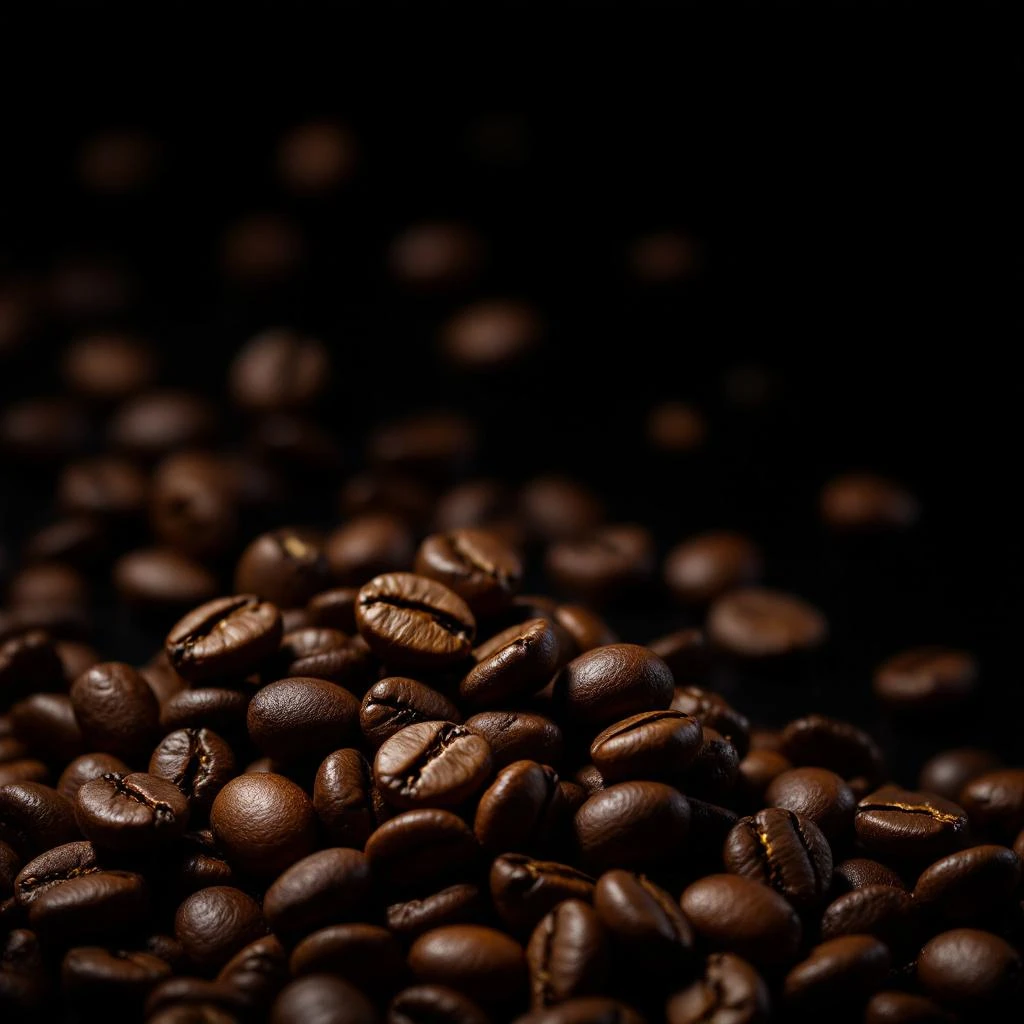
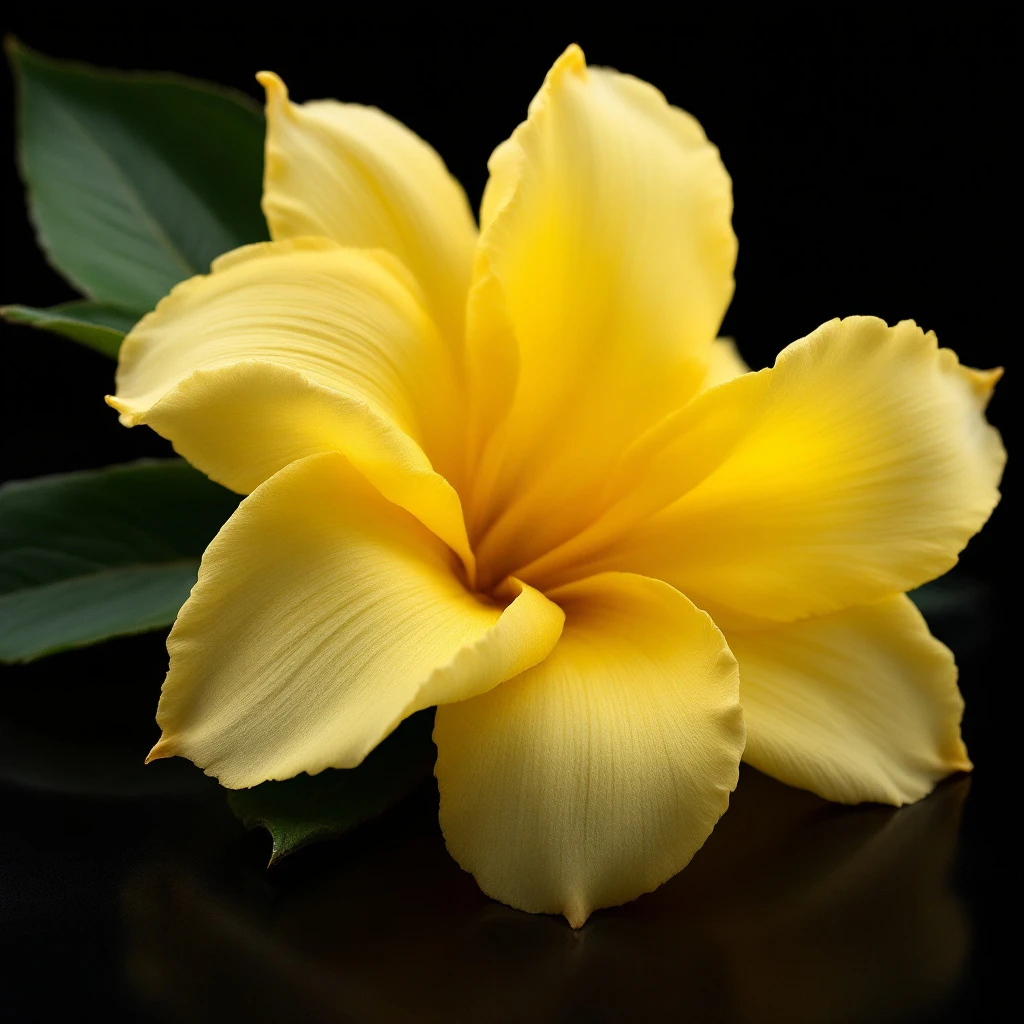
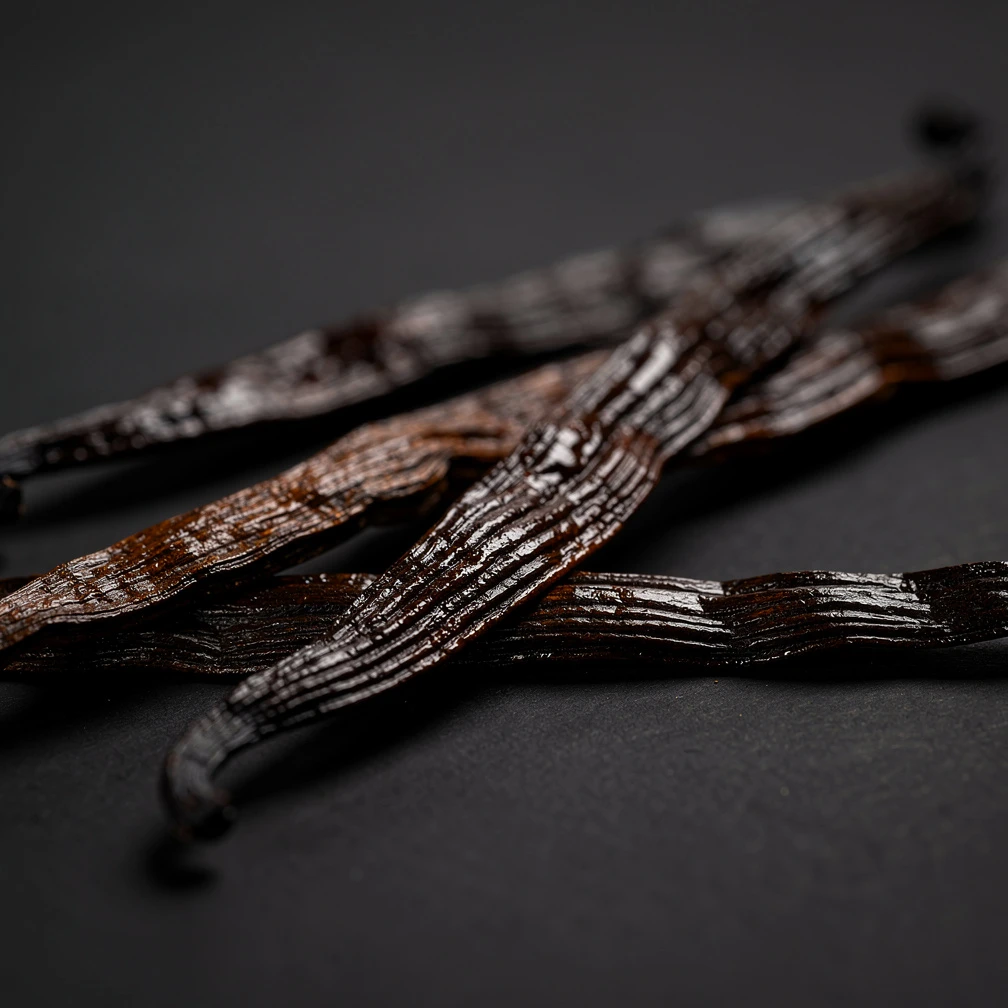
Venezuelan Vanilla Pompona brings a wilder, warmer sweetness to perfumery, sourced from an orchid fruit native to the tropics. Its pods hold bolder, almost caramel-like depth compared to its better-known cousin, Vanilla planifolia.
Character
How it smells
The wildest vanilla in perfumery
Aztec civilizations used Vanilla Pompona pods to flavor sacred chocolate drinks long before vanilla planifolia dominated global trade.




Origin
Venezuela
Vanilla Pompona holds a singular place as the first vanilla known to human civilization. Aztec communities in pre-Columbian Mexico used the pods to flavor cacao-based beverages, including sacred drinks consumed during religious rituals. Spanish conquistadors encountered this practice in the early 1500s, noting how Indigenous peoples ground the pods and mixed them with cacao, honey, and chili.
By the late 19th century, vanilla entered modern European perfumery when Aimé Guerlain incorporated vanillin into Jicky in 1889, a composition that helped define an entire genre of gourmand and oriental fragrances. Vanilla Pompona itself, however, never achieved the commercial dominance of Vanilla planifolia. Its lower vanillin content and shorter, thicker pods made it less economical for large-scale extraction.
Today it survives as a niche ingredient prized by artisan perfumers seeking something distinct from the standard bourbon and Tahitian varieties. It remains cultivated in Venezuela, Peru, the West Indies, and parts of Central America, where smallholder farmers continue traditional curing techniques passed down through generations.
Wears it best
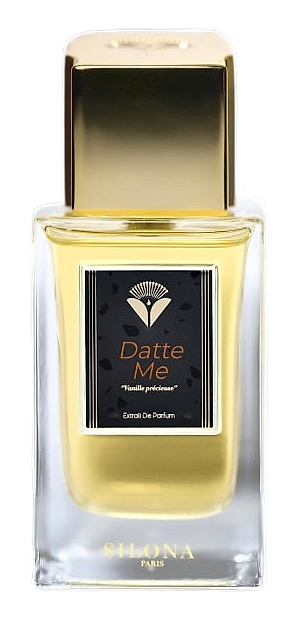
Fragrances featuring Venezuelan Vanilla Pompona
Brands
Brands known for Venezuelan Vanilla Pompona
Good to know
Questions, answered
The essentials on Venezuelan Vanilla Pompona in perfumery: how it smells, where it comes from, and how it behaves on skin.
What makes Vanilla Pompona different from regular vanilla in perfume?
Vanilla Pompona offers a wilder, more balsamic profile than Vanilla planifolia. It contains less vanillin but higher concentrations of anisaldehyde and other compounds that create rounder, almost rum-like warmth with stronger woody undertones.
Why is Vanilla Pompona less common than Bourbon vanilla?
Vanilla Pompona contains roughly 30-40% less vanillin than Vanilla planifolia, making it less economical for industrial extraction. Its thicker, shorter pods also yield less usable material per harvest, keeping production volumes small.
Where does Venezuelan Vanilla Pompona grow?
The orchid is cultivated primarily in tropical regions of Venezuela, Peru, the West Indies, and Central America. Venezuelan producers focus on small-batch cultivation in lowland tropical forests where humidity stays consistently high.
How are Vanilla Pompona pods processed for perfumery?
Producers hand-pollinate the single-day orchid blooms, then cure the mature pods through sweating, a cycle of daytime heat and nighttime moisture lasting several weeks. Cured pods undergo ethanol or CO2 extraction to capture aromatic compounds.
Did the Aztecs actually use Vanilla Pompona?
Yes. Aztec civilizations used Vanilla Pompona pods to flavor sacred cacao beverages centuries before Spanish contact. Spanish chroniclers documented this practice in the early 1500s, describing the pods being ground and mixed with cacao and honey.
Is Vanilla Pompona natural or synthetic in modern fragrances?
Both forms exist. Premium artisan perfumers use natural extracts from cured pods, while mainstream fragrance houses often rely on synthetic vanillin or proprietary accords. Natural Vanilla Pompona remains expensive due to labor-intensive cultivation.
What scent profile does Vanilla Pompona give a fragrance?
Vanilla Pompona delivers deep caramel sweetness layered with woody, slightly medicinal, and anisic facets. Compared to bourbon vanilla, it reads warmer and earthier, with a boozy undertone reminiscent of aged rum or dark molasses.
Why is vanilla so expensive to produce?
Vanilla orchids must be hand-pollinated because their natural pollinator, the Melipona bee, exists only in Mexico. Combined with an 8-9 month growing cycle and weeks of curing, production costs remain among the highest of any crop.