Vanillin
Vanillin is the primary aromatic component of vanilla, responsible for its characteristic sweet, creamy, and slightly powdery scent. In perfumery, it serves as a versatile base note that provides warmth, depth, and a comforting quality to fragrance compositions. It blends exceptionally well with Oriental, gourmand, and floral families.
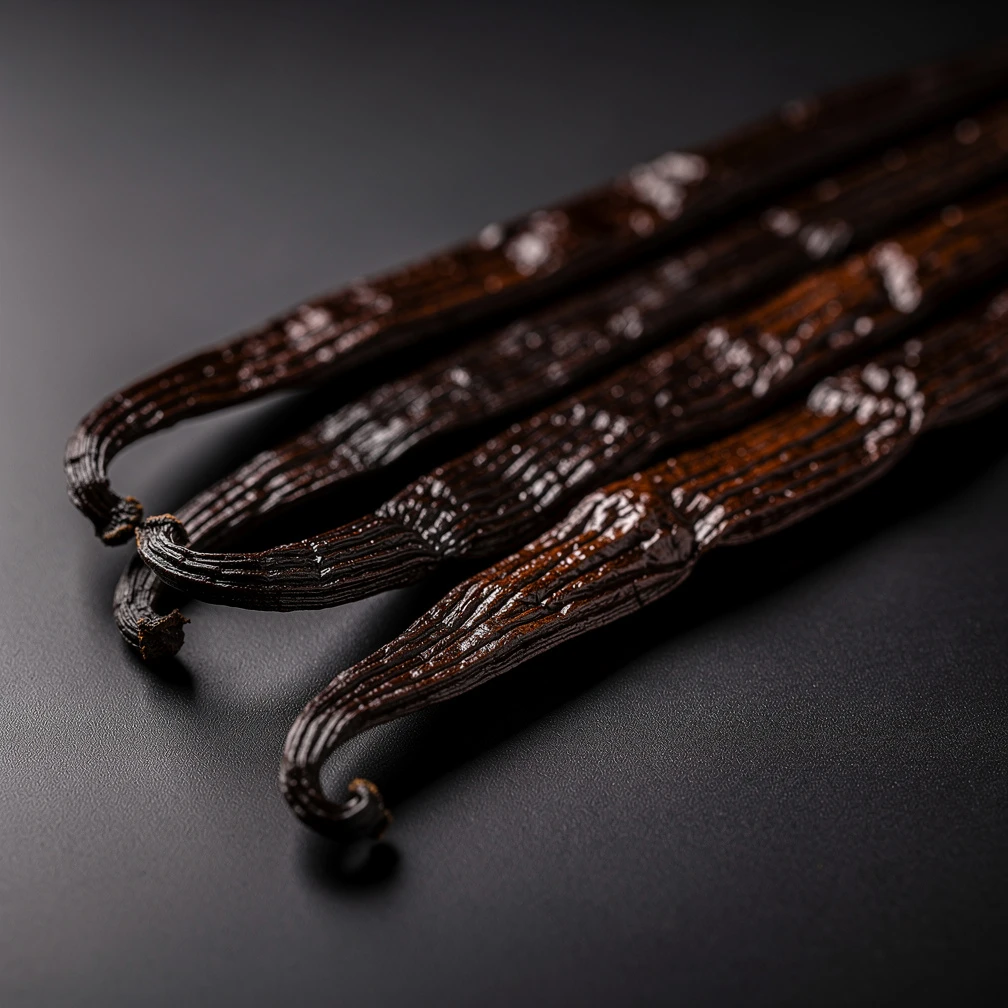
Character
How it smells
The soul of vanilla captured in crystalline form
Vanilla is the only edible fruit-bearing member of the orchid family, the largest plant family on Earth with over 25,000 species.








Origin
Mexico
Vanilla's journey from Mesoamerica to global cultivation began when Spanish conquistadors brought it to Europe in the 16th century after encountering it in Mexico. Initially, Europeans prized vanilla primarily as a flavoring for chocolate, the beverage from which the term chocolate itself derives. The Totonac people of the Mexican Gulf coast were the first to cultivate vanilla, keeping their secrets closely guarded for generations.
The vanilla plant presented a unique pollination challenge that limited its spread. In Mexico, Melipona bees naturally pollinated the flowers, but vanilla orchids elsewhere in the world failed to set fruit. In 1841, a 12-year-old enslaved boy named Edmond Albius on the island of Réunion discovered the hand-pollination technique that would transform vanilla cultivation forever. This discovery enabled vanilla farming in Madagascar, Indonesia, and other tropical regions, eventually making vanilla a global commodity.
Vanillin's isolation as a synthetic ingredient occurred in 1874 when German chemists Ferdinand Tiemann and Wilhelm Haarmann determined its chemical structure. Their synthesis marked one of the first synthetic fragrance ingredients to enter the perfumer's palette. The compound's journey reflects both the ingenuity and struggles of early fragrance chemistry, as Haarmann later suffered severe mental illness and Tiemann faced legal troubles. Today, vanillin remains indispensable in perfumery, though natural vanilla extracts retain their prestige for premium fragrance formulations where cost is secondary to olfactory complexity.
Wears it best
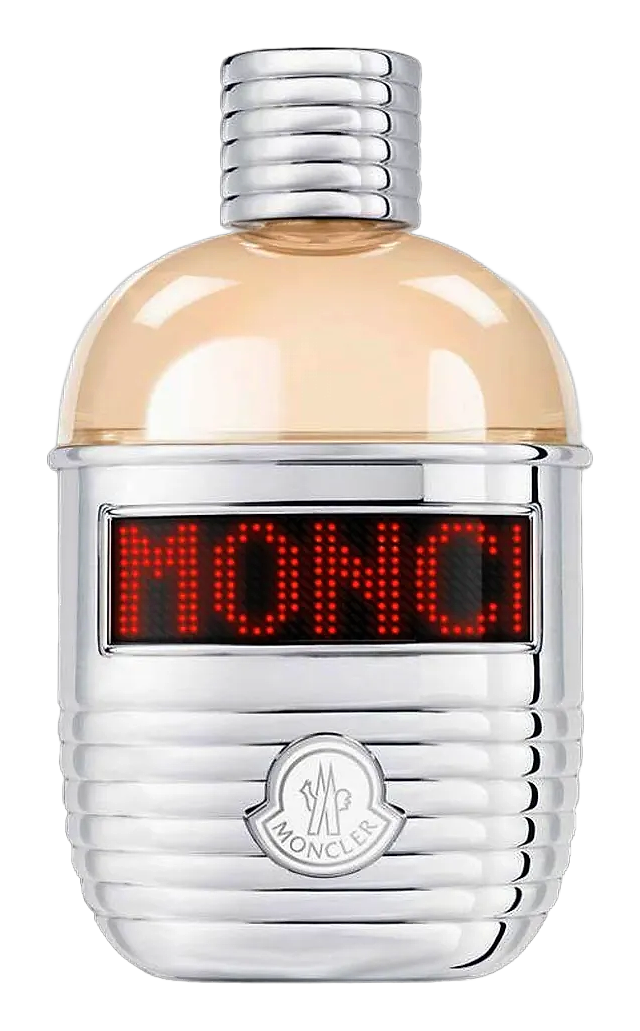
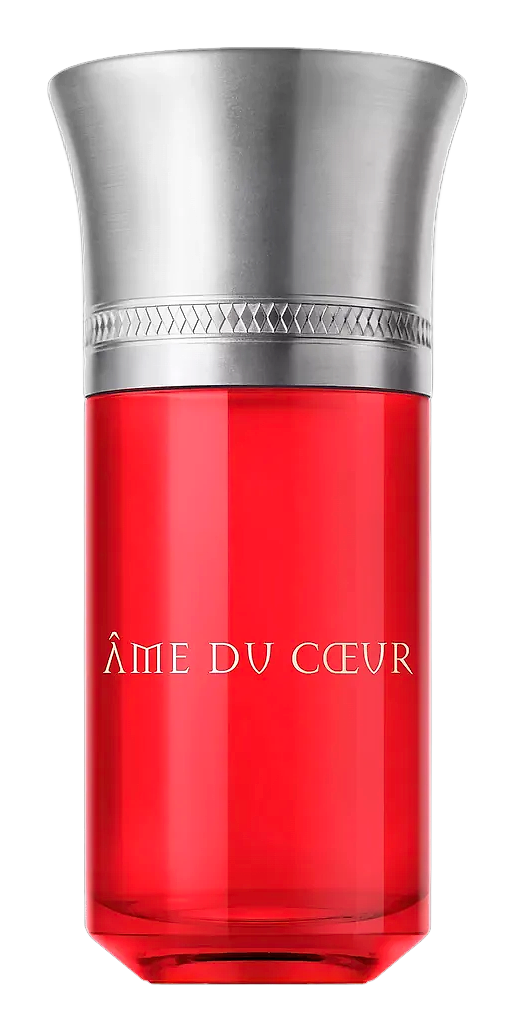
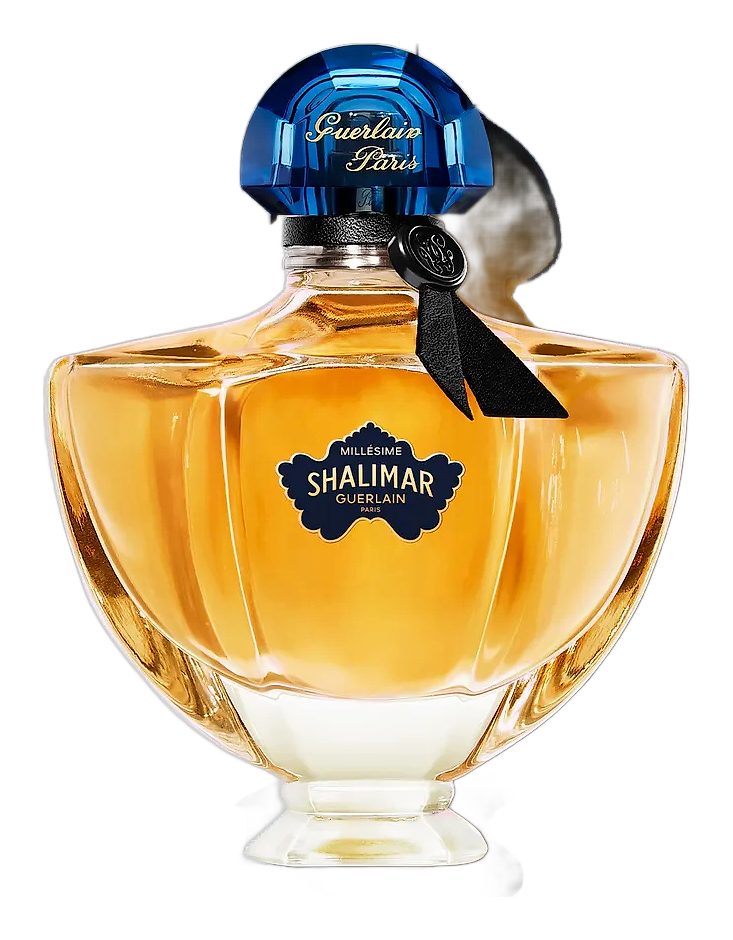
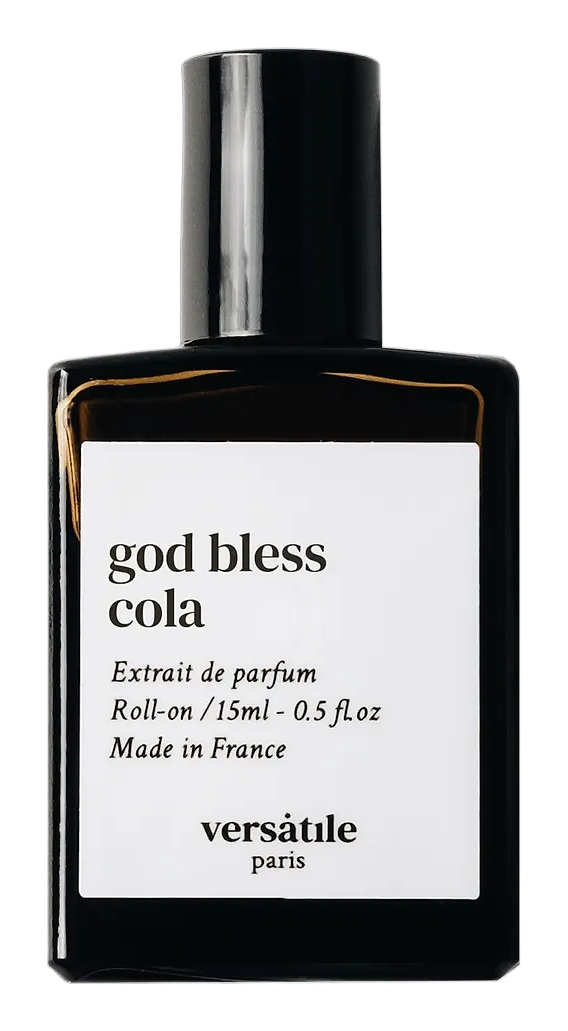
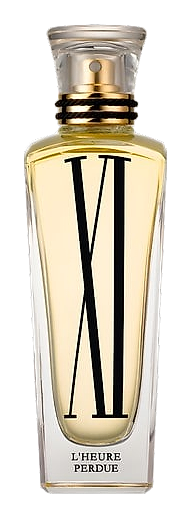
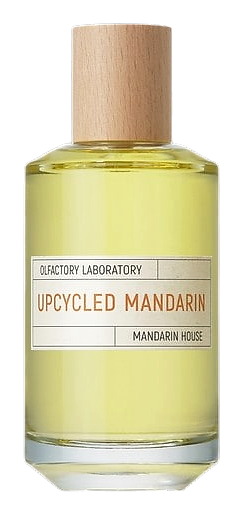
Fragrances featuring Vanillin
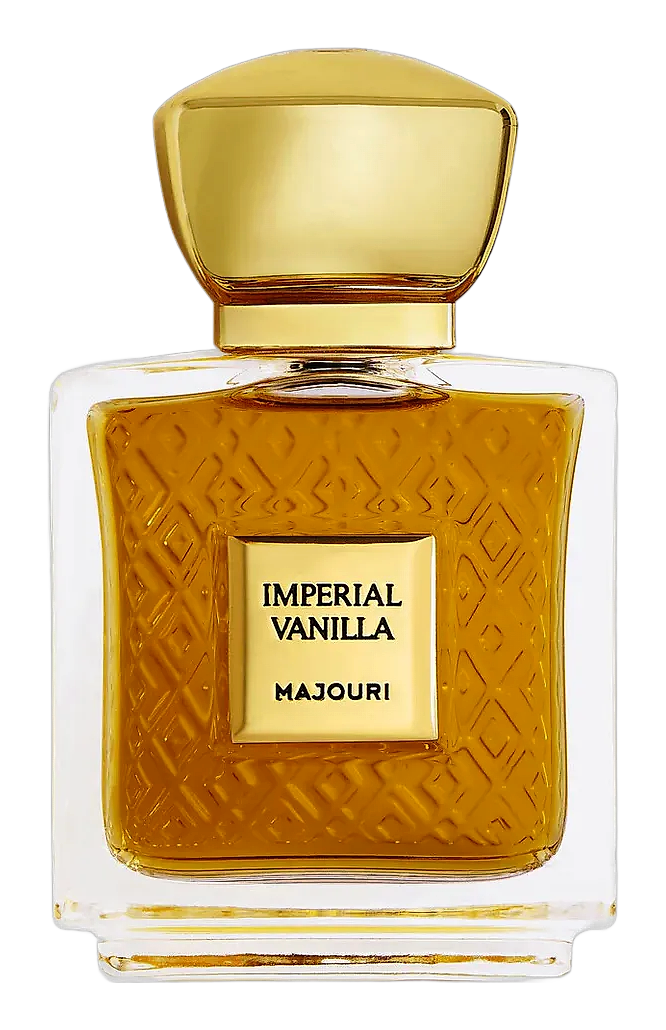
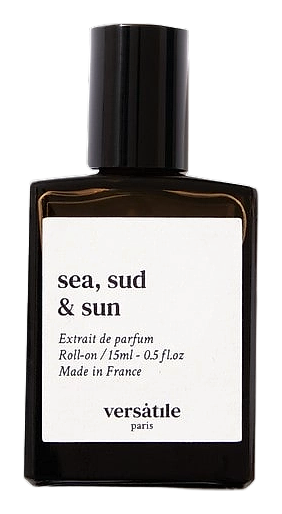
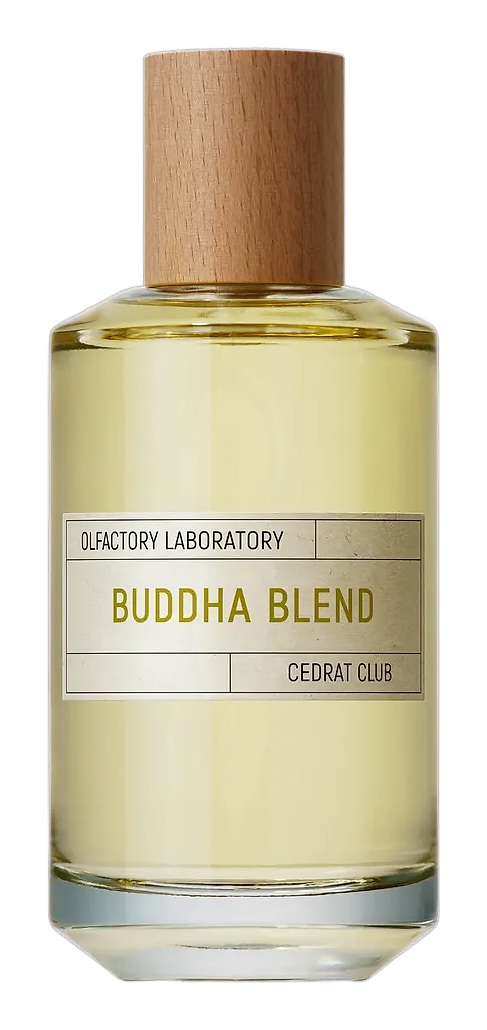
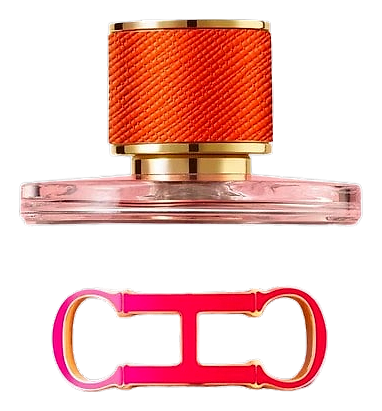
Brands
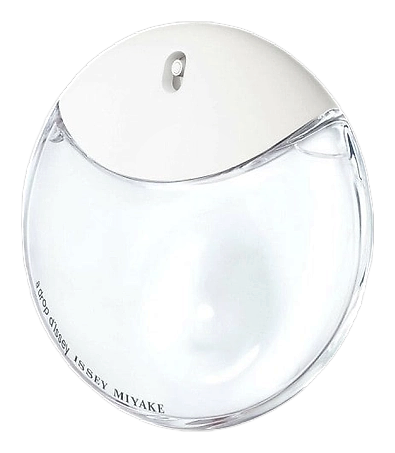
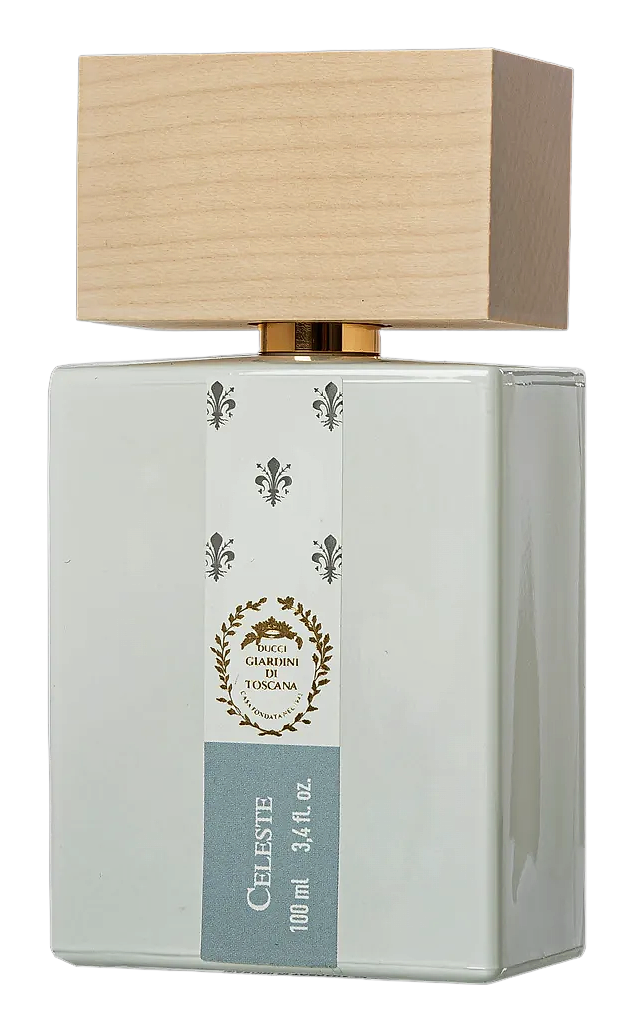
Brands known for Vanillin
Good to know
Questions, answered
The essentials on Vanillin in perfumery: how it smells, where it comes from, and how it behaves on skin.
What does Vanillin smell like in perfume?
Vanillin smells sweet, creamy, and slightly powdery with warm, edible undertones reminiscent of vanilla ice cream or warm milk. It provides a comforting, gourmand quality that reads as universally pleasant and familiar in fragrance compositions.
Why is Vanillin used in perfumery?
Vanillin acts as an fixative and base note that adds warmth, depth, and lasting power to fragrances. It typically constitutes 1-5% of a fragrance formula, anchoring lighter top and heart notes while extending the scent's longevity on skin.
Is Vanillin in perfume natural or synthetic?
Most vanillin used in perfumery is synthetic, produced from guaiacol derived from petroleum. Natural vanillin exists but costs significantly more due to the labor-intensive vanilla bean curing process that takes 6-9 months.
What famous perfumes contain Vanillin?
Iconic vanillin-forward fragrances include Guerlain Shalimar, Thierry Mugler Angel, Dior Hypnotic Poison, Tom Ford Vanille Fatale, and Maison Margiela By the Fireplace. The compound appears across both classic and contemporary perfume lines.
Is Vanillin a top note, heart note, or base note?
Vanillin functions as a base note in perfumery, providing the fragrance's foundation and contributing to its dry-down. Base notes like vanillin determine how a perfume lingers on skin, typically remaining detectable for 6+ hours.
What notes pair well with Vanillin in perfume?
Vanillin pairs excellently with oriental ingredients like benzoin, labdanum, and olibanum for depth. It combines with tonka bean and caramel for gourmand effects, with amber and sandalwood for warmth, and with jasmine or iris for powdery floral complexity.
How is Vanillin extracted?
Natural vanillin requires harvesting Vanilla planifolia pods at peak ripeness, then curing them through sweating and sun-drying for months. Solvent extraction follows to isolate the compound. Synthetic vanillin is produced by reacting guaiacol with glyoxylic acid under controlled conditions.
Is Vanillin used in men's or women's fragrances?
Vanillin appears in both men's and women's fragrances without gender limitation. It features prominently in masculine orientals like Dior Fahrenheit and Yves Saint Laurent La Nuit de L'Homme, as well as in countless feminine vanillic perfumes.





