Valerian Root
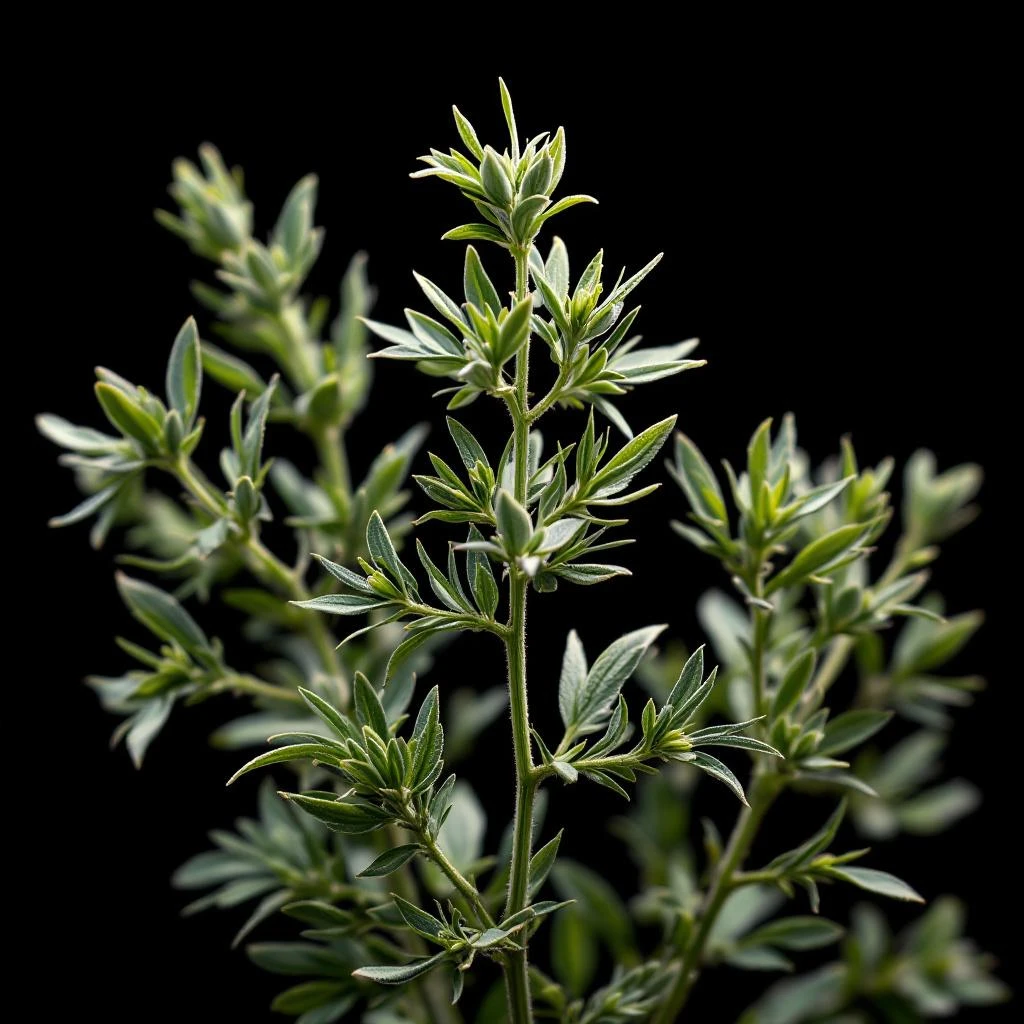
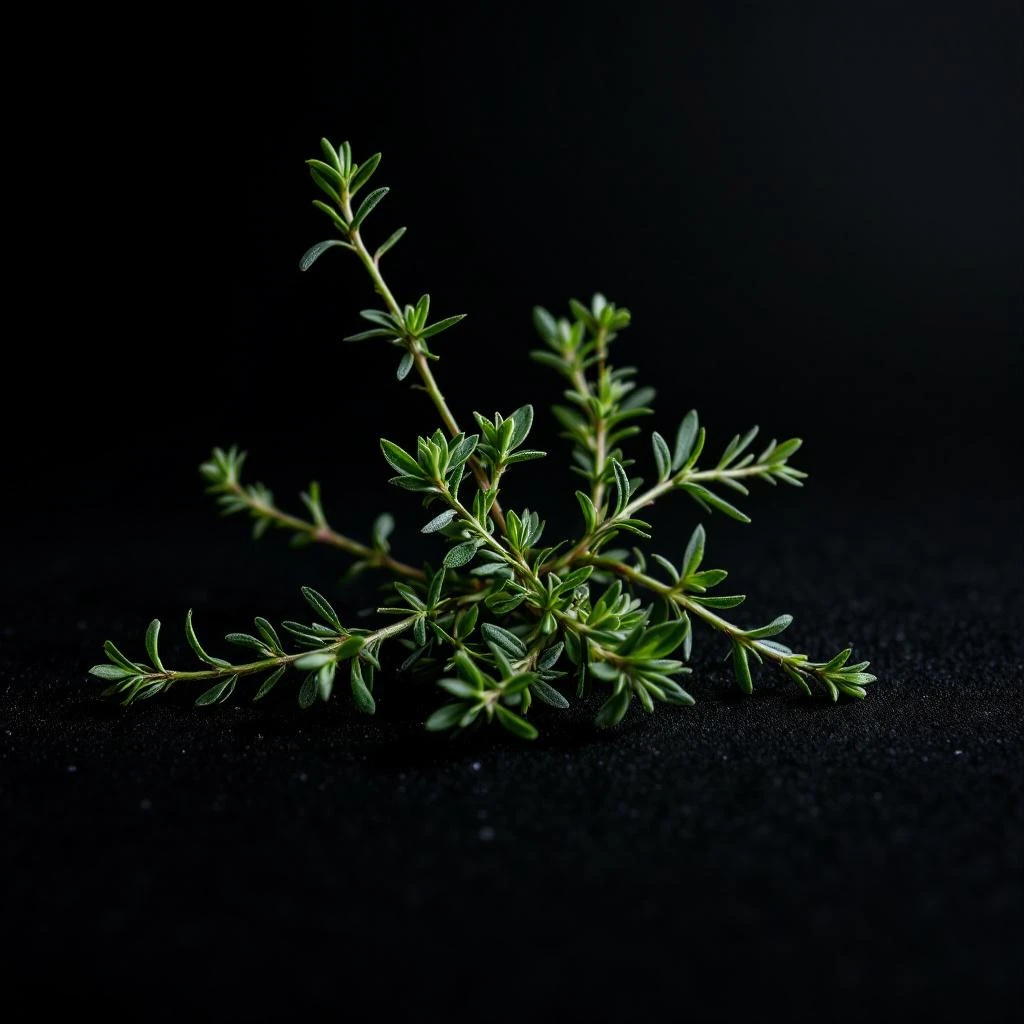
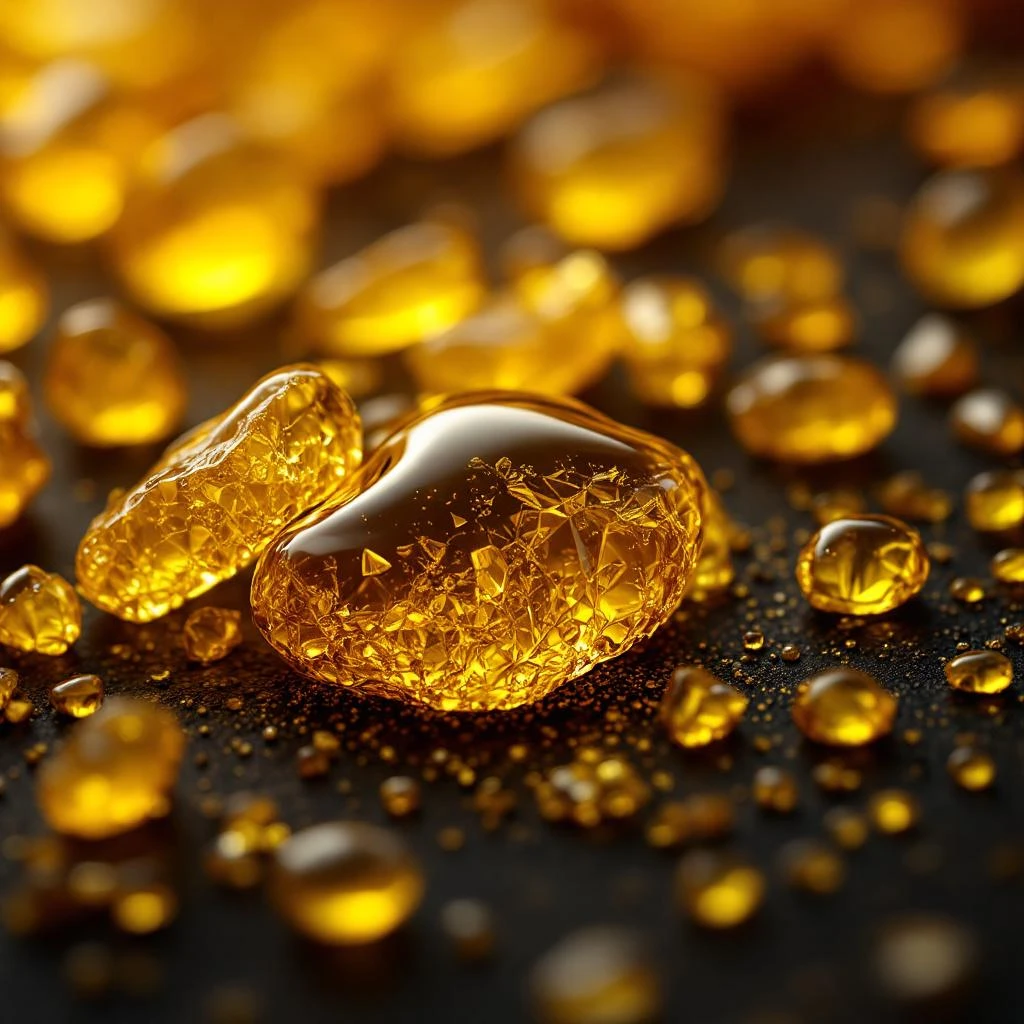
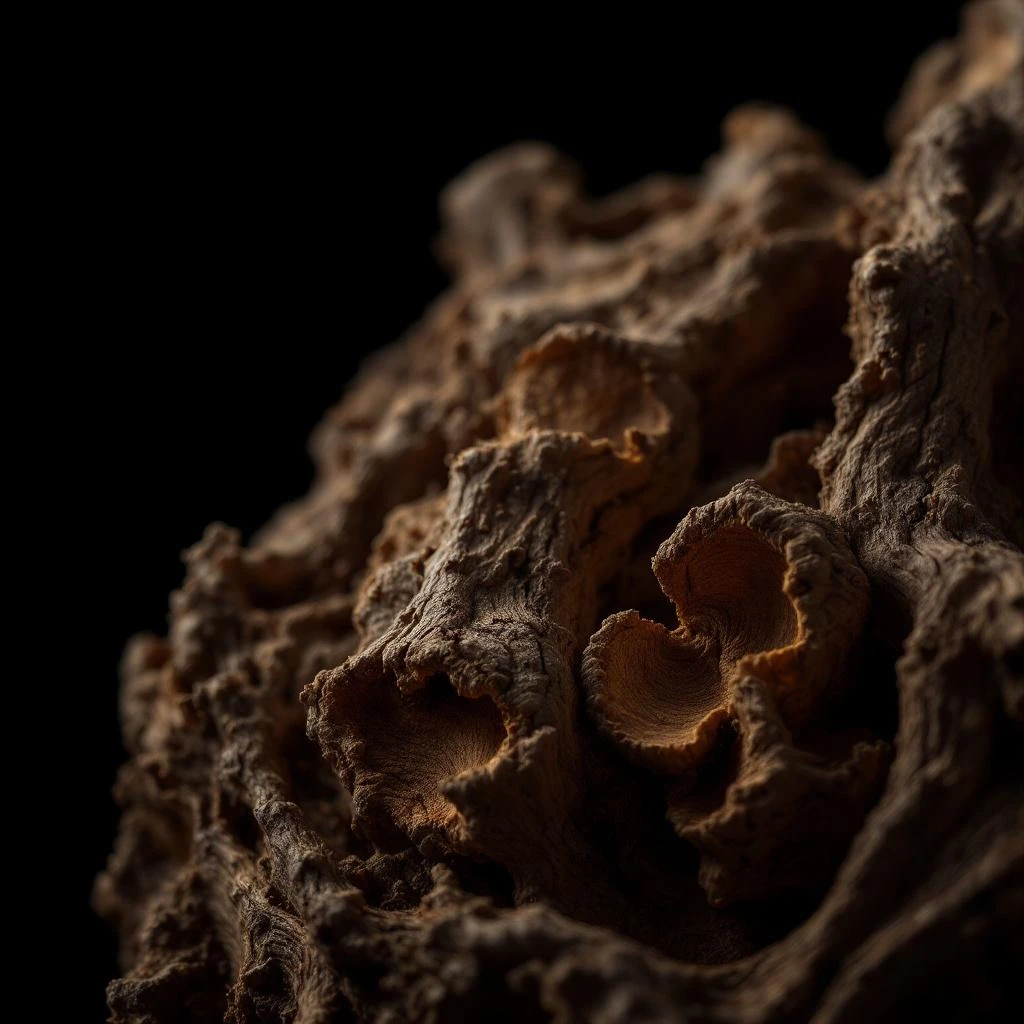
Valerian root oil brings a deeply animalic, earthy intensity to perfumery. Used in trace amounts, it adds warmth and biological depth that anchors compositions from the base.
Character
How it smells
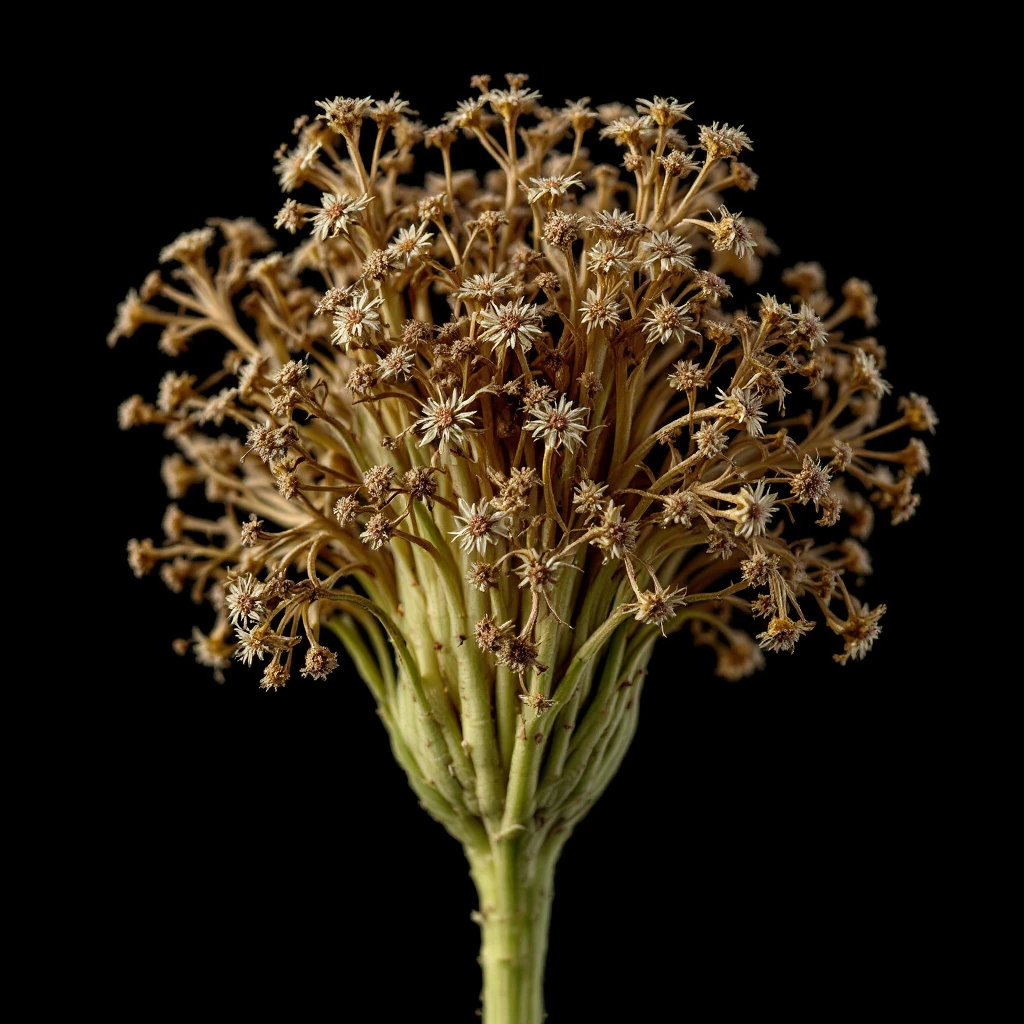
Earth's quiet animalic whisper
Cats respond to valerian root similarly to catnip, a curious reversal from its sedative reputation in humans.




Origin
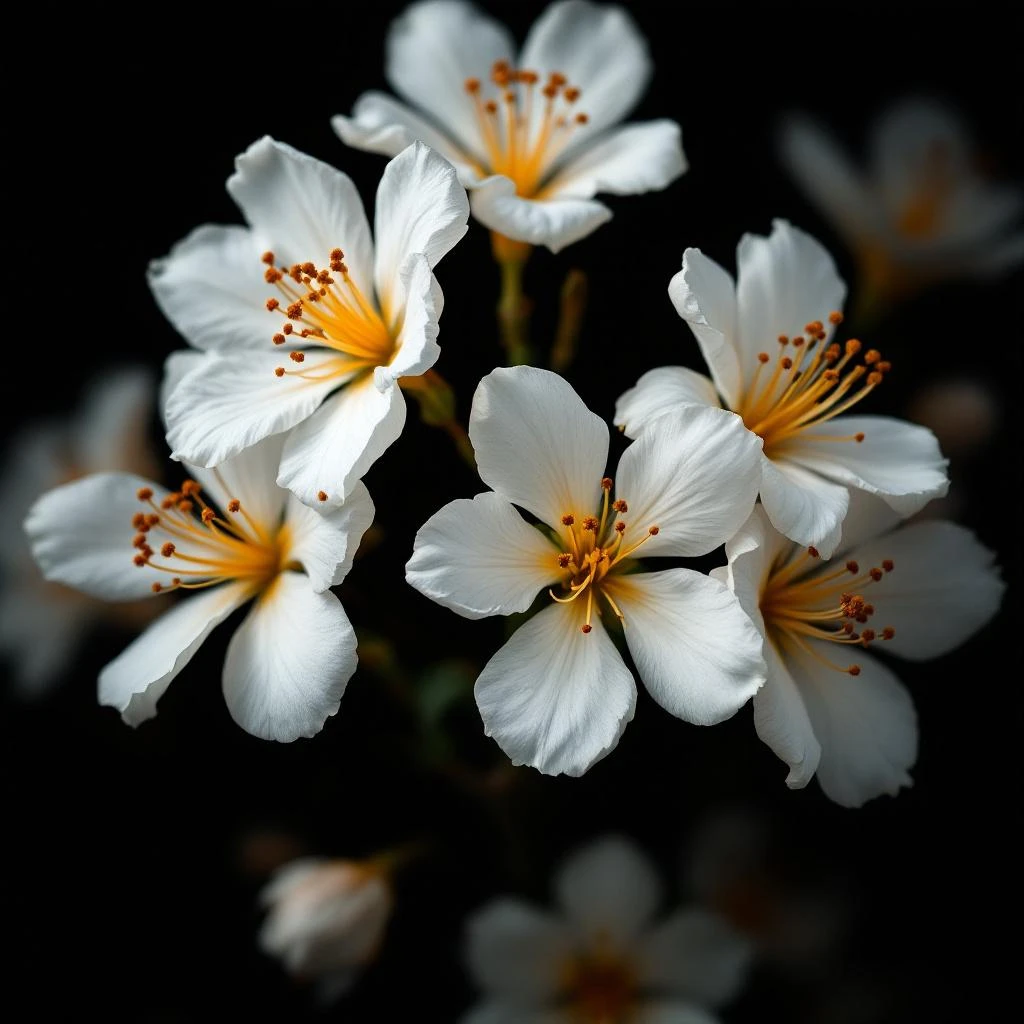
India
Valerian's story stretches back to antiquity. Greek physicians Hippocrates, working around 460 to 377 BCE, and Dioscorides, writing in the 1st century CE, documented its medicinal applications. Across the ancient world, the root earned recognition for its calming properties, and in India, it was burned as incense during religious ceremonies, a fragrant bridge between ritual and remedy.
By the 16th century, commercial cultivation had taken hold across Europe, supplying apothecaries and eventually perfumers who recognized its olfactory potential. The oil's intensely animalic character made it a natural complement to the musk and civet bases that shaped classical European perfumery. As synthetic alternatives emerged in the 19th and 20th centuries, natural valerian root oil retained its place among perfumers seeking authentic biological warmth.
Today, it remains a specialty ingredient, a living thread connecting modern fragrance to ancient botanical tradition.
Wears it best
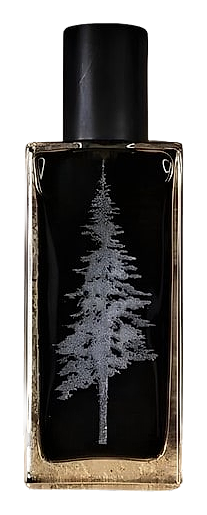
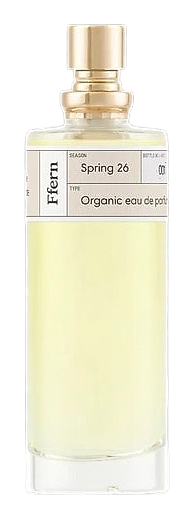
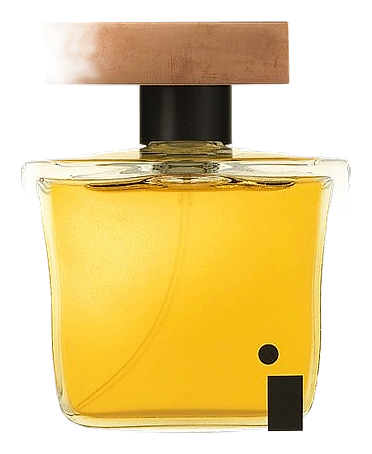
Fragrances featuring Valerian Root
Brands
Brands known for Valerian Root
Good to know
Questions, answered
The essentials on Valerian Root in perfumery: how it smells, where it comes from, and how it behaves on skin.
What does valerian root smell like in perfume?
Valerian root oil smells intensely animalic and earthy, with notes reminiscent of damp fur and warm skin. It contributes biological depth rather than a recognizable top or heart note, anchoring compositions from the base.
Is valerian root safe in fragrance?
Valerian root oil is safe for use in finished fragrances at the low concentrations perfumers employ, typically well under 1%. Regulatory bodies classify it as approved for fragrance use when properly diluted.
Why is valerian root used in such small amounts?
Valerian root oil possesses an intensely animalic, almost fecal character in concentrated form. Perfumers use trace amounts, typically well under 1%, to inject warmth without overwhelming the composition.
Is valerian root oil natural or synthetic?
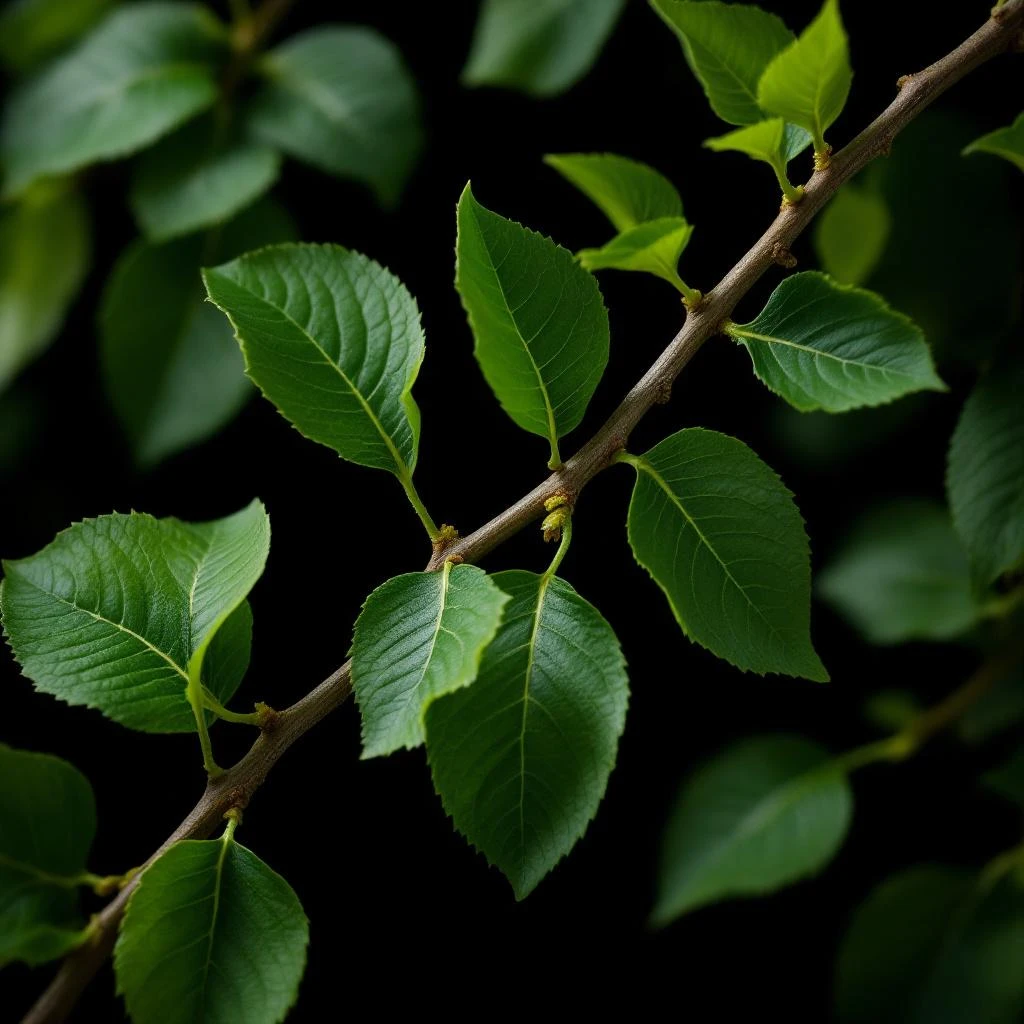
True valerian root oil is natural, produced through steam distillation of dried Valeriana officinalis rhizomes. Synthetic aroma chemicals can replicate certain facets, but the full complexity of the natural oil remains difficult to reproduce.
What fragrances commonly use valerian root?
Valerian root appears in animalic and chypre-style compositions, particularly those seeking authentic biological warmth. It features in niche and artisanal perfumery where natural base-note modifiers are valued.
Where is valerian root primarily sourced?
Major commercial sources include India, China, and parts of Europe, where Valeriana officinalis has been cultivated since the 16th century. Each region produces oil with distinct aromatic nuances.
What is the history of valerian root use?
Valerian root has been used since antiquity. Hippocrates (circa 460 to 377 BCE) and Dioscorides (1st century CE) documented its applications, and it was burned as incense in Indian religious ceremonies.
Can valerian root oil be replicated synthetically?
Synthetic aroma chemicals can approximate certain earthy and animalic facets of valerian root, but the full complexity of the natural oil resists complete replication. Most perfumers prefer the genuine material.