Yarrow
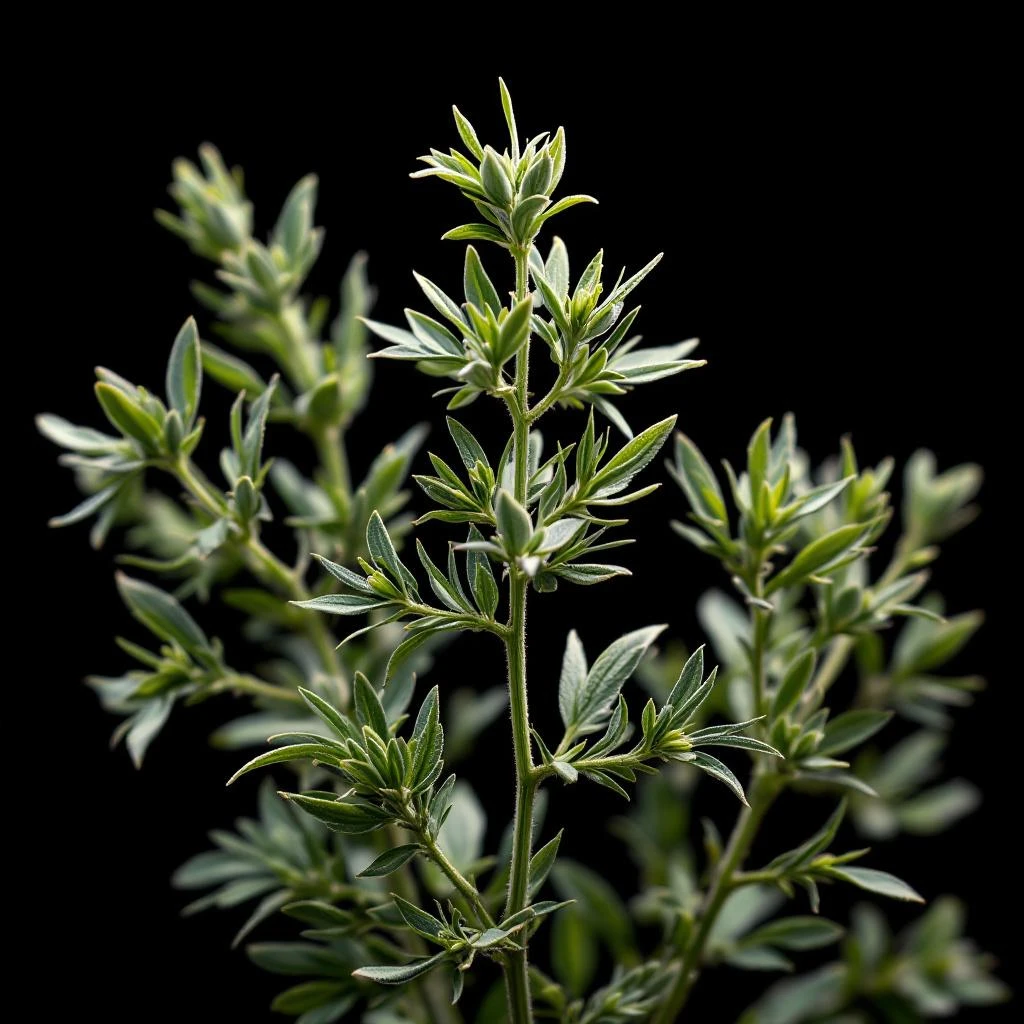
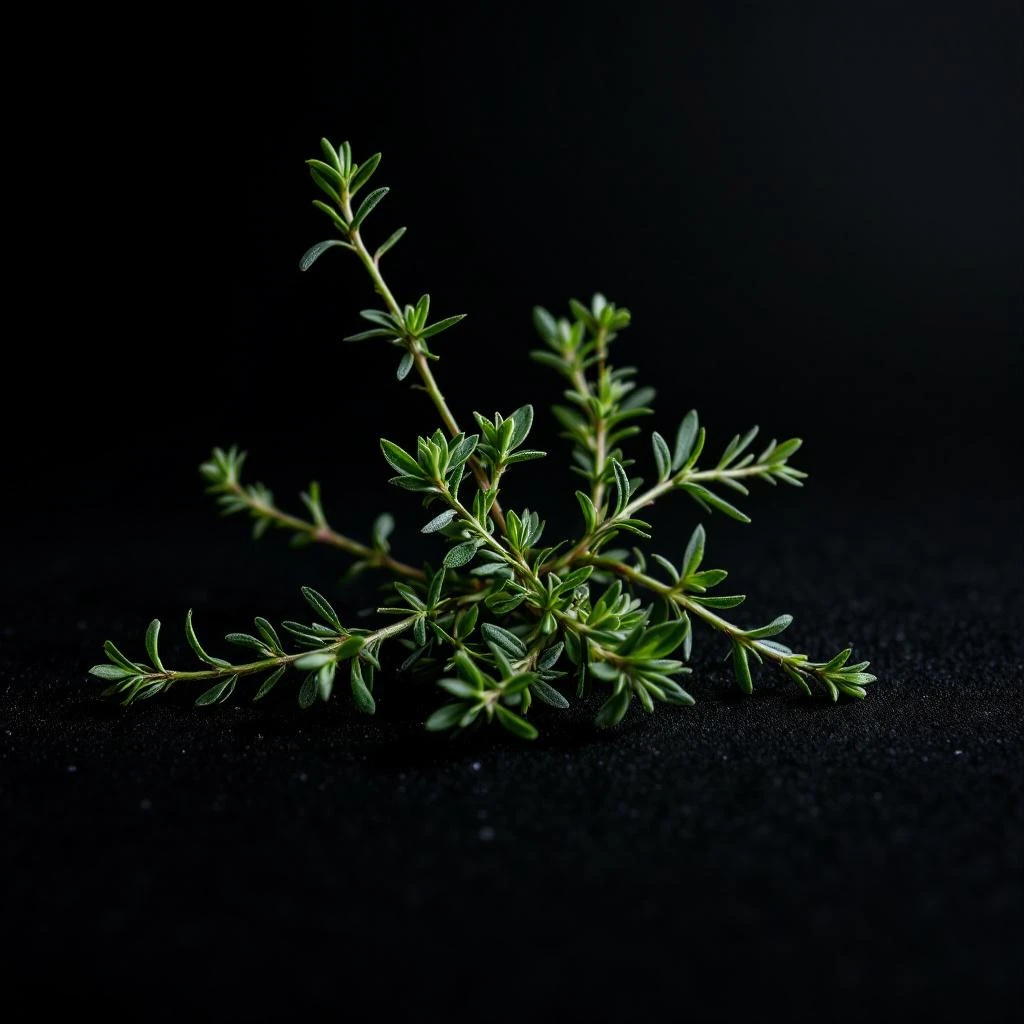
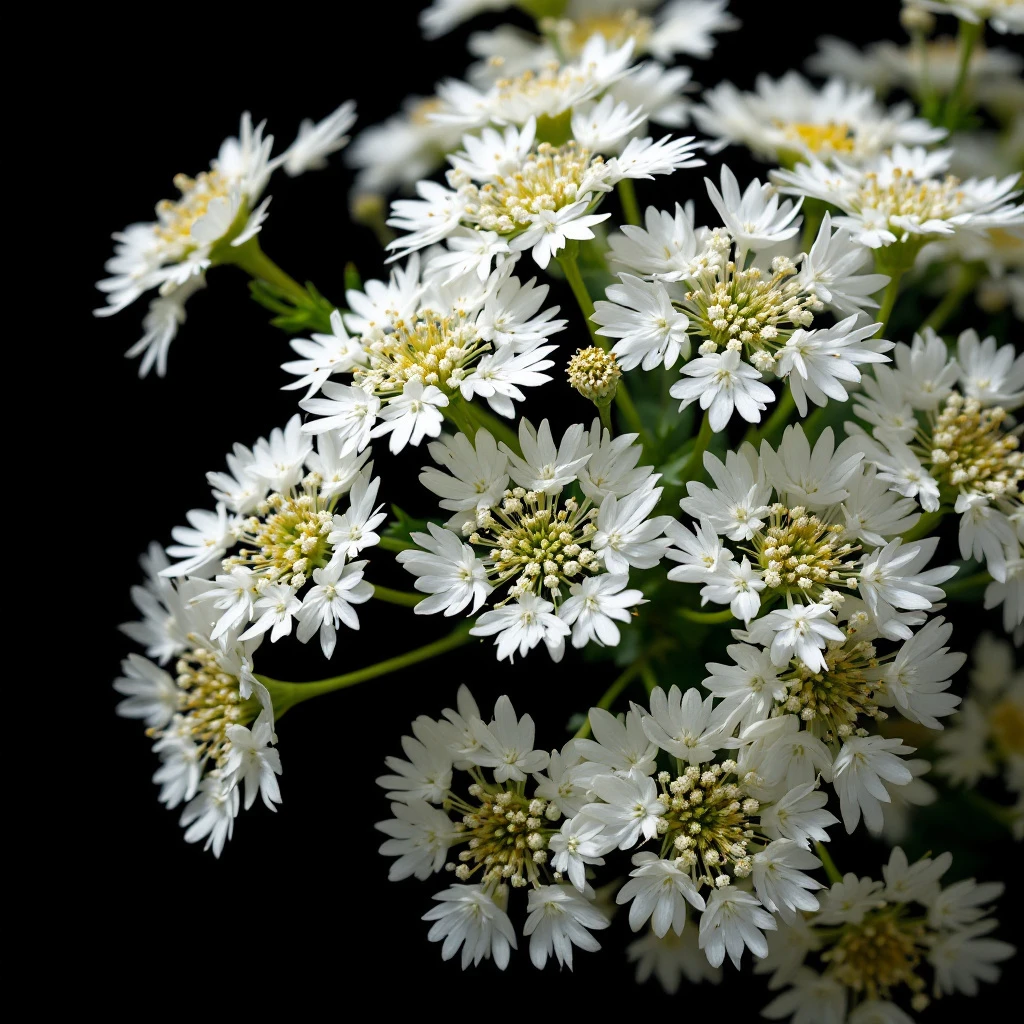
Yarrow, Achillea millefolium, ranks among humanity's oldest botanical allies. Its flower heads yield a potent essential oil prized in perfumery for its complex, herbaceous, and slightly camphoraceous character that bridges green and aromatic traditions.
Character
How it smells
Ancient herb, modern scent
Named after Achilles, who reportedly used yarrow to treat wounded soldiers during the Trojan War.




Origin
Europe
Yarrow carries one of perfumery's most evocative etymologies, named for Achilles, the legendary Greek warrior who allegedly used the plant to treat his soldiers' battlefield wounds. One of the oldest known botanicals, Achillea millefolium appears in medicinal traditions across Europe, Northern Asia, and North America. The United States Pharmacopoeia officially listed yarrow during the 19th century, recognizing its traditional use in promoting menstruation and treating wounds.
Ancient peoples from the Greeks to indigenous North American tribes incorporated yarrow into their healing practices. Its resilience and adaptability made it a constant companion across vastly different cultures and geographies, earning it names like 'nosebleed' and 'soldier's woundwort' for its association with battlefield medicine.
Wears it best
Fragrances featuring Yarrow
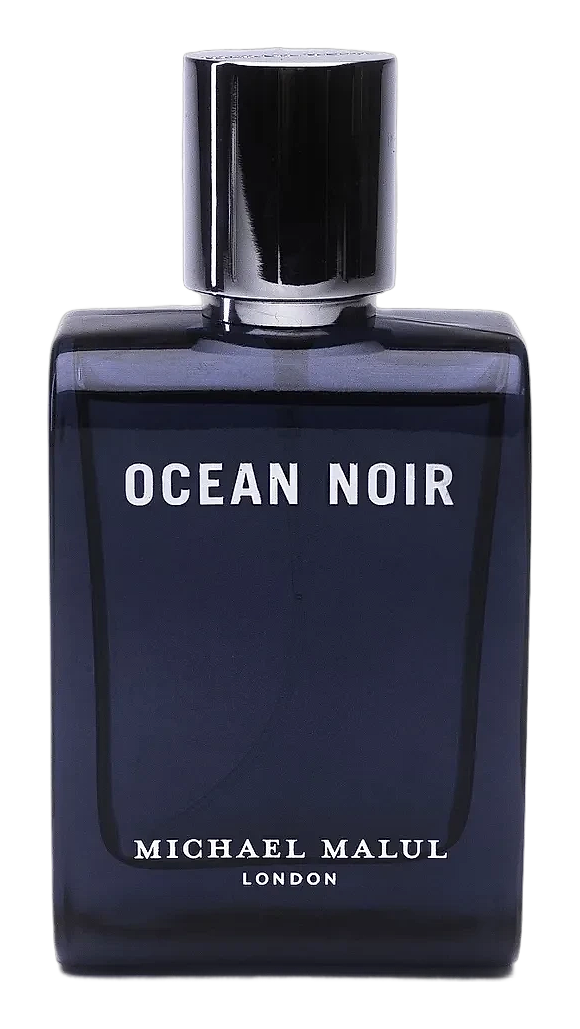
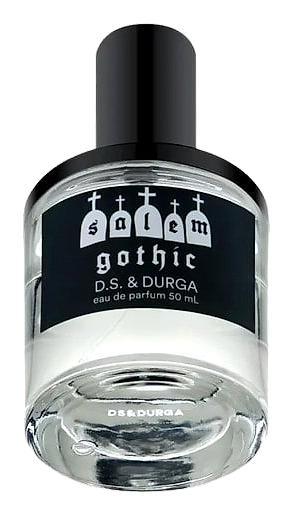
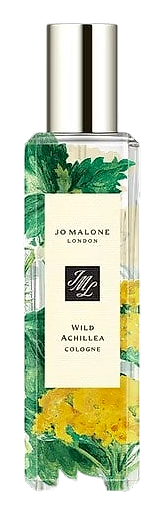
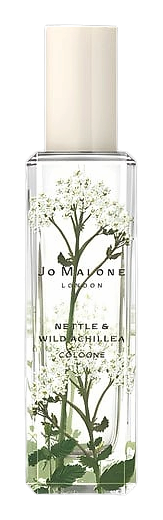
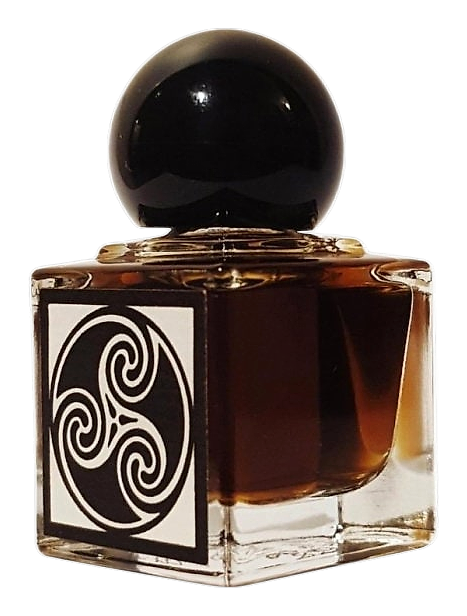
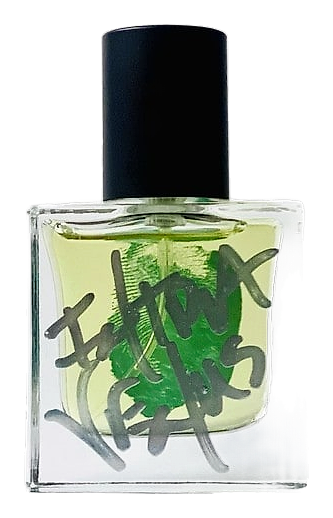
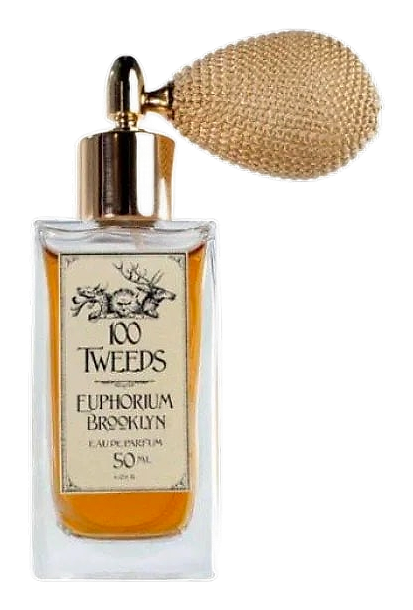
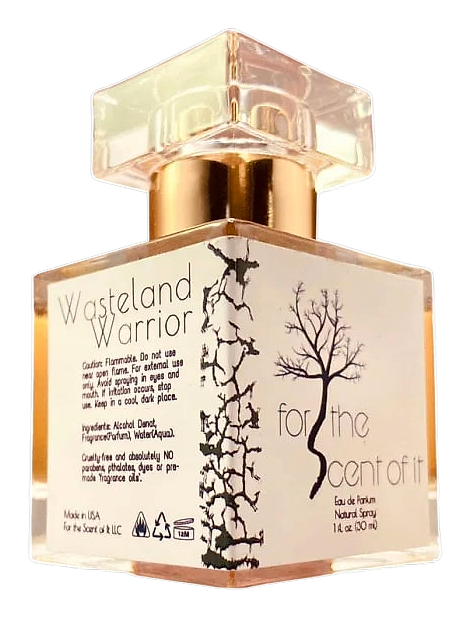
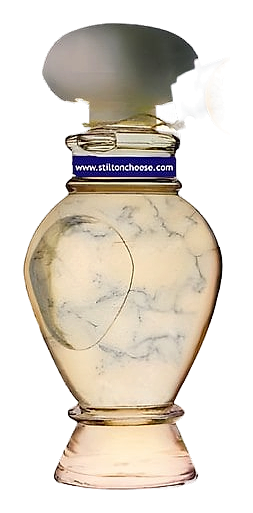
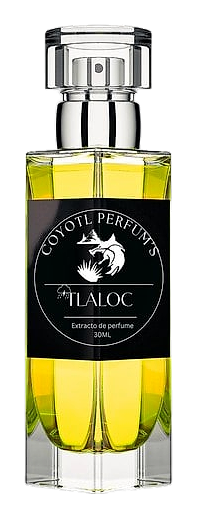
Brands
Brands known for Yarrow
Good to know
Questions, answered
The essentials on Yarrow in perfumery: how it smells, where it comes from, and how it behaves on skin.
What does yarrow smell like in perfumery?
Yarrow offers a herbaceous, slightly bitter, and camphoraceous aroma with green and earthy undertones. Its scent profile bridges aromatic herbs like sage and chamomile, adding complexity to fragrance compositions.
Is yarrow essential oil safe for skin use?
The CIR Expert Panel has reviewed yarrow extract and found it safe as a fragrance ingredient when used appropriately. Always dilute essential oils before topical application and conduct a patch test first.
Where does commercial yarrow oil originate?
Yarrow grows natively across Europe, Northern Asia, and North America. Commercial production occurs primarily in Hungary, France, and Norway, where cultivation conditions produce consistent essential oil quality.
Why is yarrow oil sometimes blue?
Steam distillation transforms certain compounds in yarrow into chamazulene, which gives the essential oil its characteristic deep blue color. The intensity varies based on plant chemotype and growing conditions.
How long has yarrow been used in perfumery?
Yarrow appears in modern perfumery from the early 20th century onward, though humans have used the plant for over 3,000 years. Its aromatic applications evolved from traditional medicine and folk perfumery practices.
What fragrance families use yarrow?
Yarrow appears primarily in herbal, green, and aromatic fragrance families. It works well alongside notes like sage, lavender, chamomile, and Artemisia, adding depth and a slightly medicinal complexity.
Does yarrow grow wild or is it cultivated?
Both wild-harvested and cultivated yarrow appear in commerce. The plant adapts readily to cultivation, thriving in meadows and mountain slopes, which supports sustainable production at scale.
What part of the yarrow plant is used in perfumery?
Perfumery uses the flowering heads exclusively, harvested at peak bloom. The stems and leaves are not used, as the highest concentration of aromatic compounds resides in the flowers.