The Story
Why it exists.
The beginning
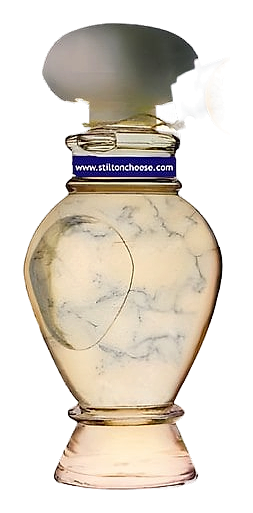
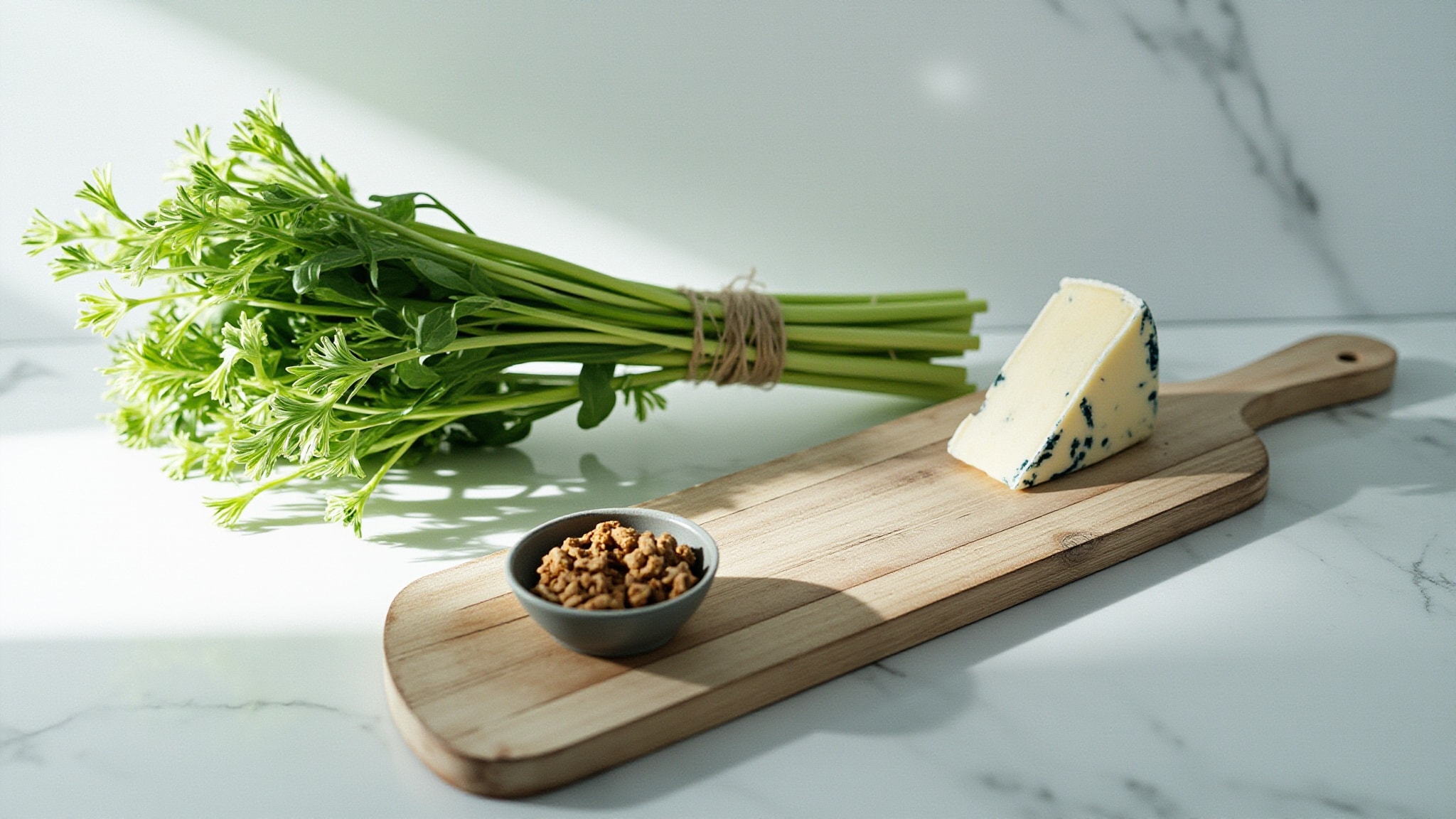
The Stilton Cheesemakers Association creates one of Britain's most celebrated cheeses, a blue with Protected Designation of Origin status. In 2006, the association took an unexpected turn: not a new cheese, but a fragrance. Eau de Stilton emerged as an exploration of the cheese's aromatic complexity translated into wearable form, capturing the essence of what makes Stilton distinctive without creating a literal smell-alike. Angelica seed, clary sage, valerian root, and yarrow form the herb selections, chosen to echo culinary rather than traditional perfumery vocabulary.
The note selection reveals the intent. Angelica seed brings a bitter quality with an herbal edge. Clary sage offers aromatic warmth that provides a counterpoint to the sharper elements. Valerian root contributes an earthy undertone, a material known for its intensity in perfumery applications. Yarrow adds green complexity to the composition. Together, these herbs create a composition that smells like an apothecary crossed with a kitchen garden: unusual and herbaceous.
The evolution
The opening announces itself immediately: bitter green herbs, sharp and somewhat astringent. Angelica and yarrow arrive first, creating an herbal intensity that might read as medicinal or unconventional. This initial phase continues as the sharper top notes integrate and begin their transition. The herbal edge begins to soften, and something warmer emerges from underneath, a musky, powdery quality that rounds the composition. Clary sage's aromatic presence becomes more apparent as the initial sharpness fades, and the middle phase feels less confrontational, more settled into the skin. The drydown is where Eau de Stilton earns its name. The bitter herbs recede further, revealing an amber warmth that feels almost creamy, a suggestion of the cheese's lactic foundation translated into something wearable. This final phase lasts for several hours, staying close to the skin.
Cultural impact
Eau de Stilton occupies a curious position in fragrance culture: a limited 2006 release that generated media attention for its novelty but remains largely obscure. The fragrance uses angelica, valerian, and yarrow as prominent materials, creating a composition that differs from more conventional fragrance approaches. These ingredients contribute their own distinct characteristics to the overall blend, producing a scent that stands apart from mainstream fragrance offerings.