Minneola
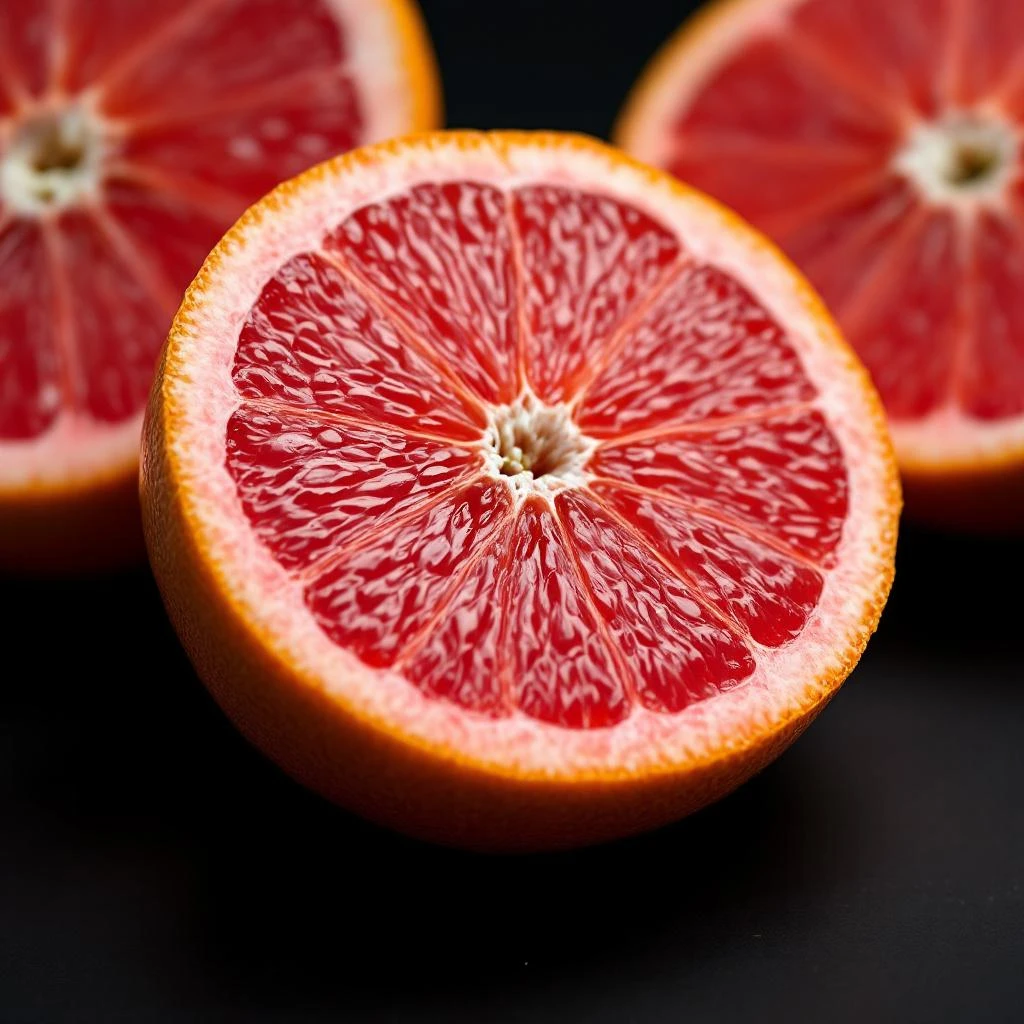
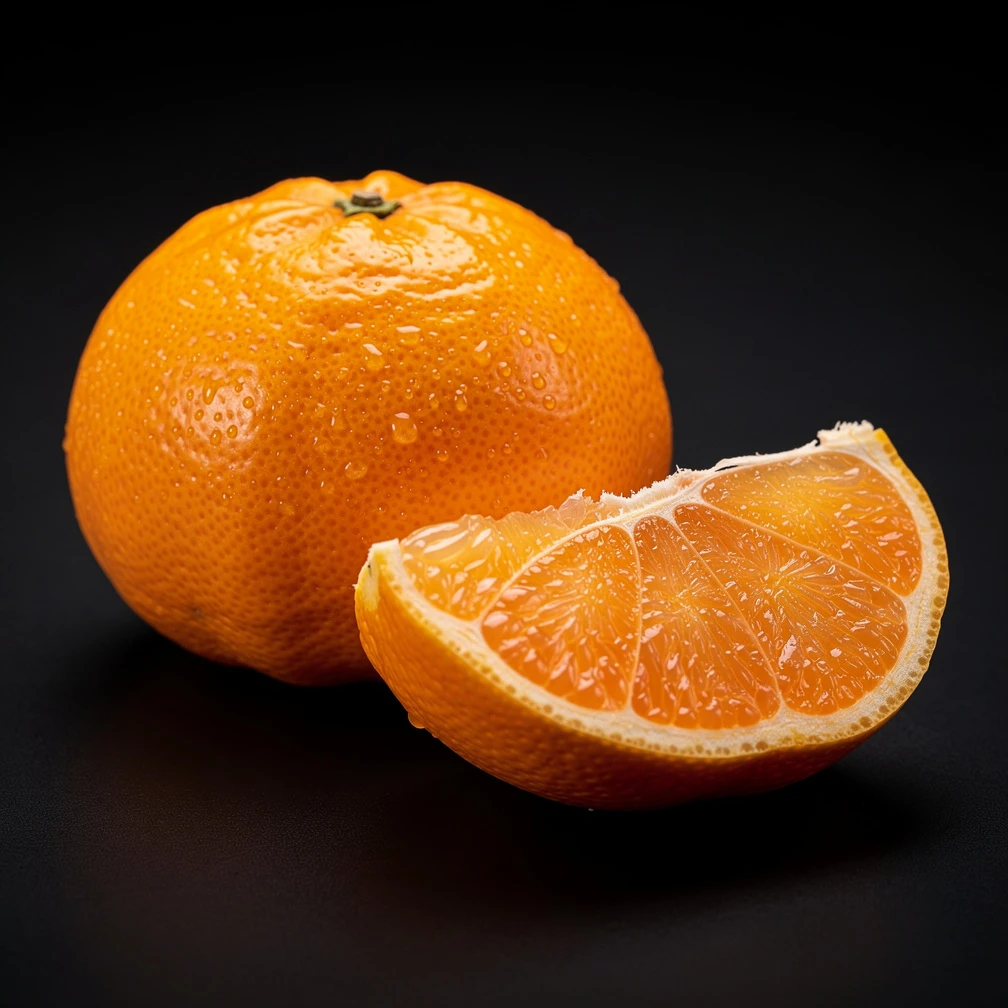
A Florida-born citrus hybrid marrying tangerine brightness with grapefruit depth. Minneola brings an effervescent, sun-kissed quality to fragrance top notes, evoking warm coastal mornings and orchard groves.
Character
How it smells
Florida sunshine captured in a peel
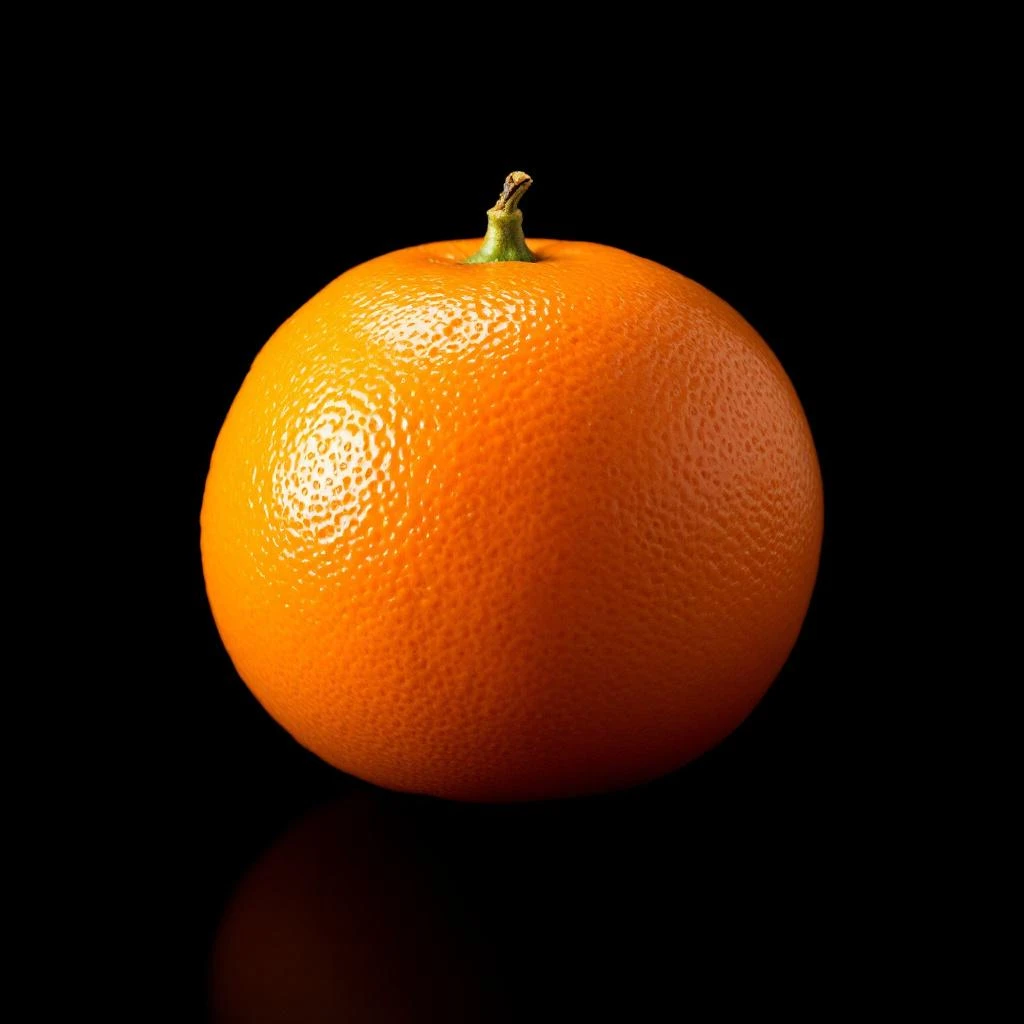
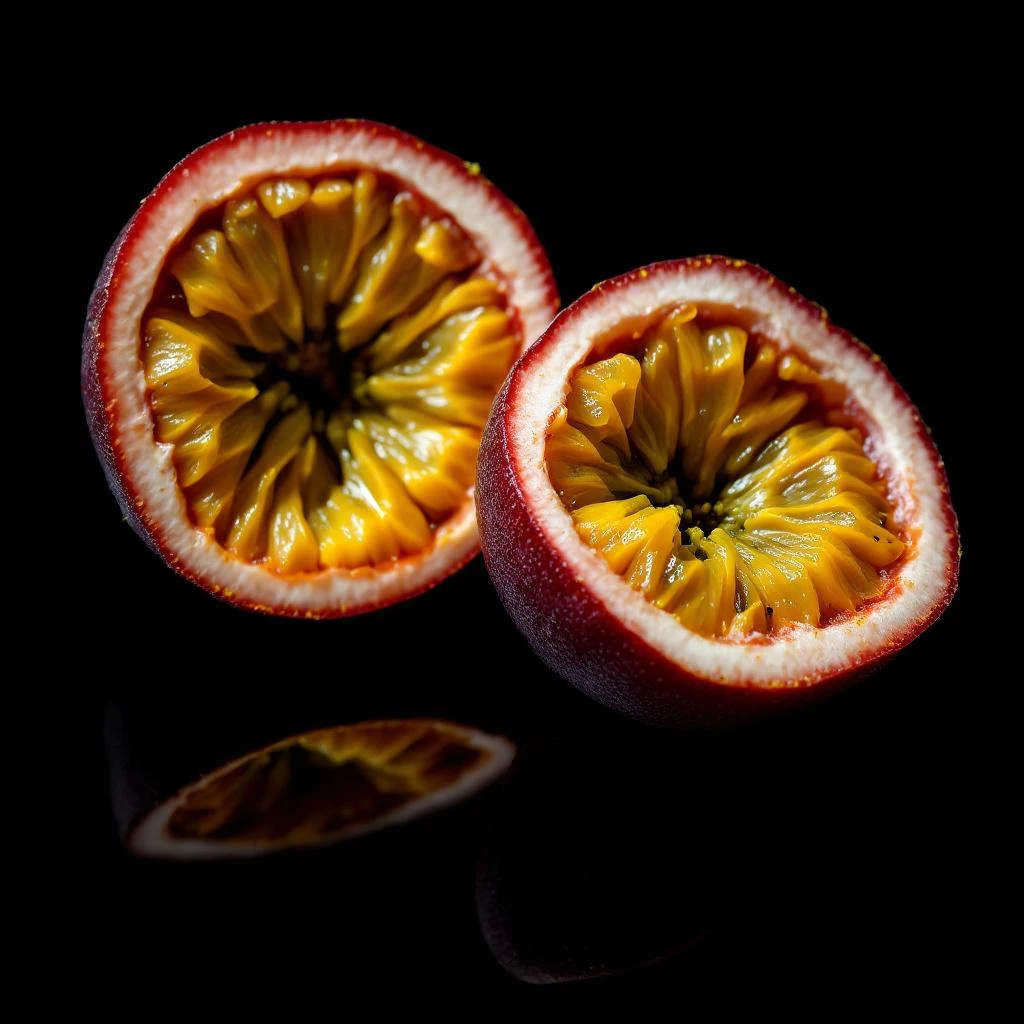
This bell-shaped citrus was created by accident at a Florida research station, born from an unplanned cross between tangerine and grapefruit.





Origin
United States
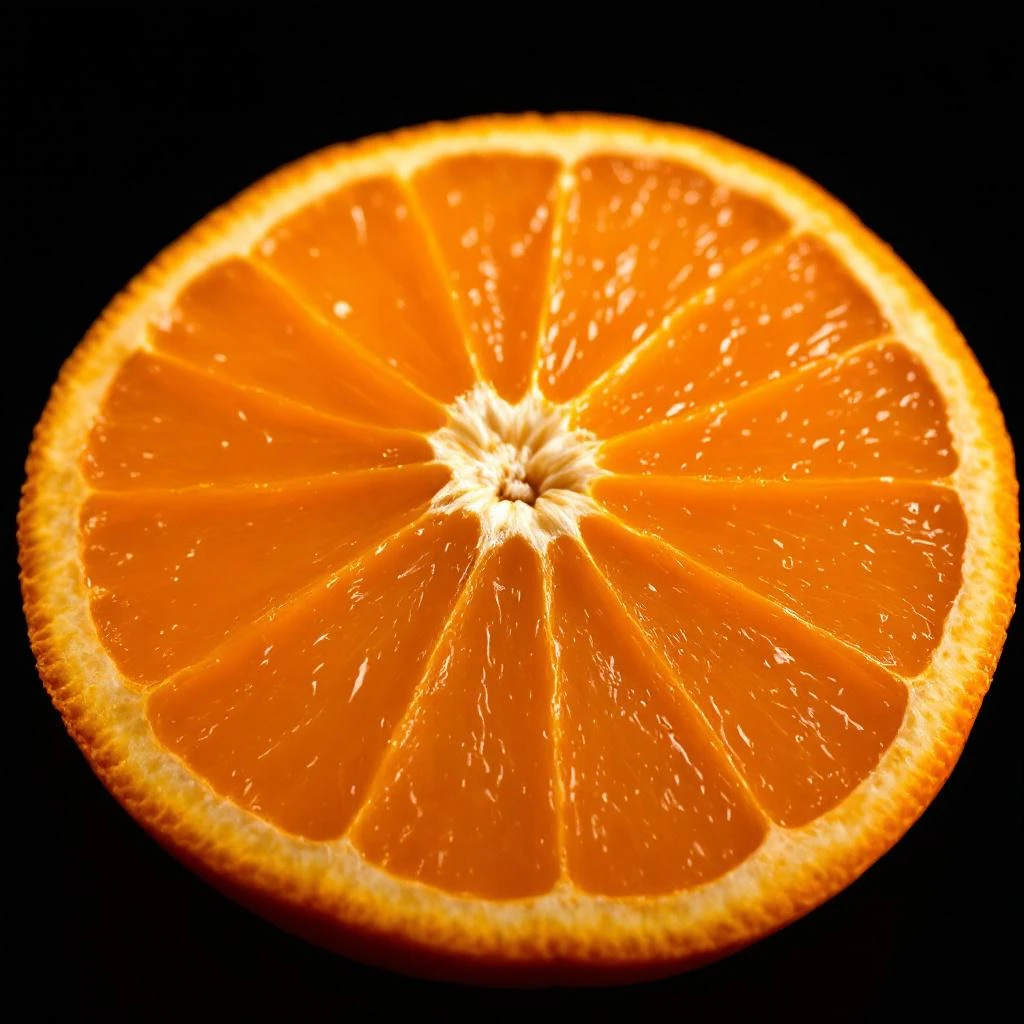
The Minneola tangelo emerged in 1931 from the Lake Alfred Citrus Experiment Station in Polk County, Florida. Horticulturists crossed the Dancy tangerine with Duncan grapefruit in a breeding program aimed at creating cold-hardy citrus varieties. The hybrid exceeded expectations, producing a fruit with thin, loose skin and exceptional juiciness.
Named after Minneola, a small Florida town, the variety gained commercial traction through the 1930s and 1940s. The city of Minneola embraced the association, staging annual festivals celebrating the fruit during peak season. Florida's warm sandy soils and humid summers proved ideal for cultivation, making the state the primary global producer.
By the 1970s, Minneola had become one of America's most recognizable citrus varieties, appearing in grocery stores nationwide during winter months.
Wears it best
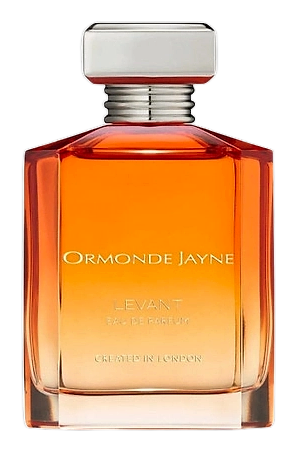
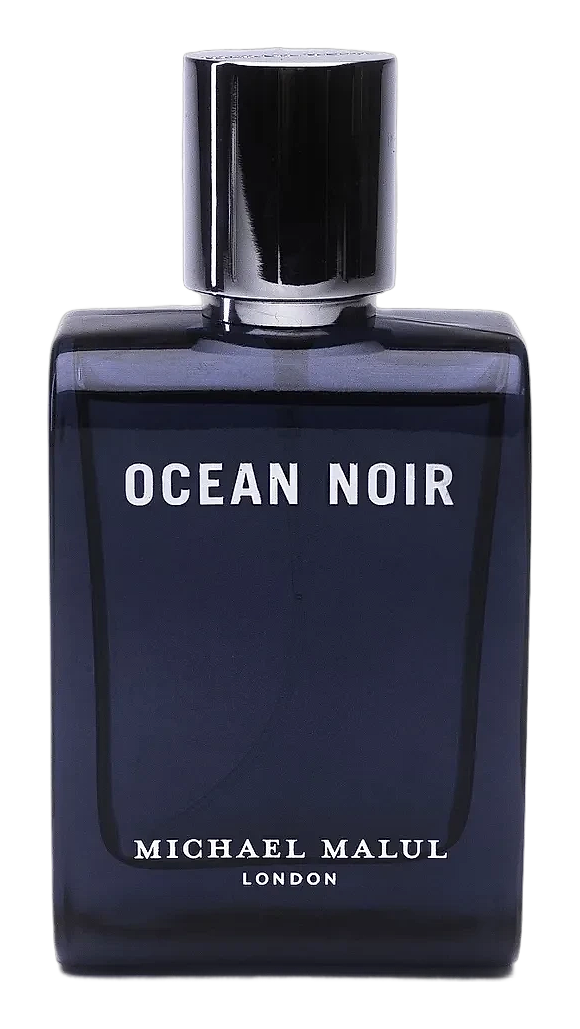
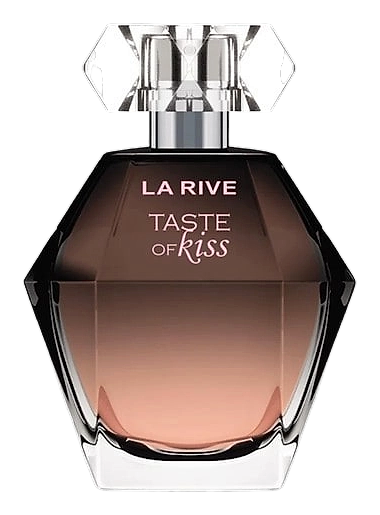
Fragrances featuring Minneola
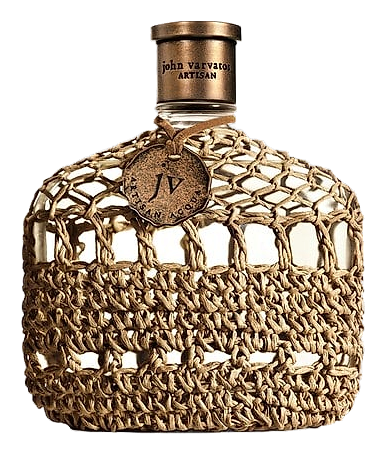

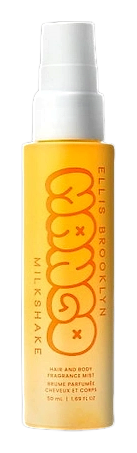
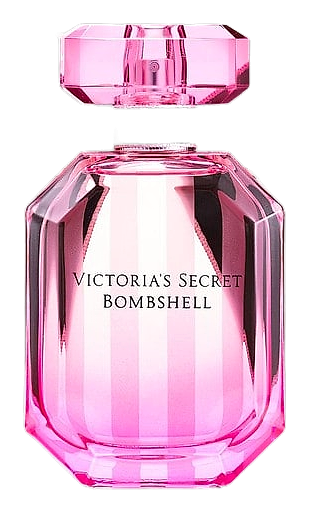
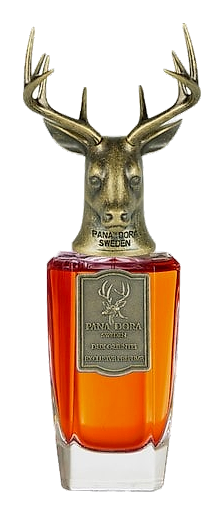

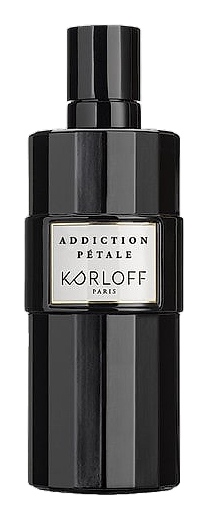
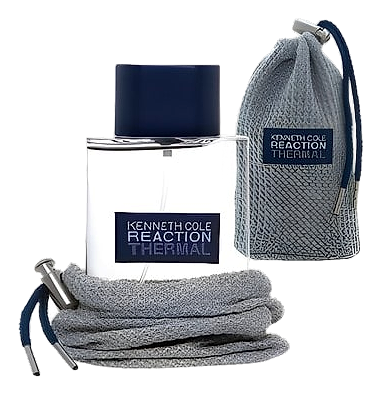
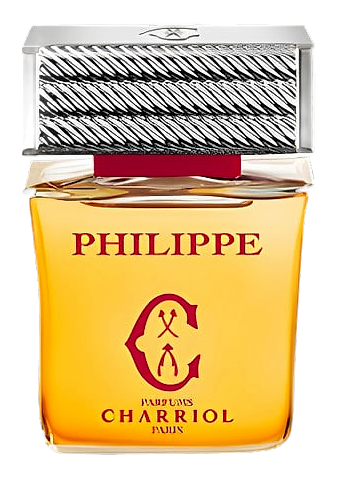
Brands
Brands known for Minneola
Good to know
Questions, answered
The essentials on Minneola in perfumery: how it smells, where it comes from, and how it behaves on skin.
What does Minneola smell like?
Minneola carries bright, juicy citrus notes with orange and mandarin top notes, balanced by a subtle grapefruit-like tartness. The scent is fresher and less sweet than tangerine, with a clean, zesty finish.
Is Minneola a real fruit or a fragrance compound?
Minneola is a real citrus fruit, specifically a tangelo hybrid created in Florida in 1931. In perfumery, natural Minneola oil is rare, so most fragrances use blended citrus accords to recreate its scent profile.
Where does Minneola grow commercially?
Florida produces the majority of the world's Minneola crop, particularly in Lake County and surrounding central regions. Limited cultivation occurs in California and Texas during shorter seasons.
What months is Minneola in season?
The Minneola season runs from November through March, with peak ripeness occurring between December and February. The thin skin makes shipping challenging, limiting availability primarily to domestic markets.
Is Minneola used in natural or synthetic perfumery?
Most fragrance houses create Minneola-style accords using natural citrus oils combined with aroma chemicals like nootkatone, which replicates grapefruit-like nuances. True fruit-extracted Minneola oil remains uncommon in commercial perfumery.
What fragrance families use Minneola notes?
Minneola appears most often in citrus, chypre, and fruity fragrance families. It serves as a bright top note in summer fragrances, colognes, and fresh cosmetic products, adding immediate radiance to compositions.
How does Minneola differ from regular tangerine?
Minneola carries deeper, more complex citrus notes thanks to its grapefruit heritage. The flavor and scent are less单纯 (pure) than tangerine, featuring subtle bittersweet undertones and a slightly more aromatic quality.
Can Minneola cause skin sensitivity in cosmetics?
Like all citrus peel oils, Minneola oil contains furanocoumarins that increase photosensitivity. IFRA limits citrus oils in leave-on skin products. Cold-pressed expressed oils require additional processing to remove these compounds for safe cosmetic use.