Tunisian Petitgrain
Tunisian petitgrain distills the bitter orange's leaves and twigs into a crisp, green, and citrusy oil that captures North Africa's sun-drenched terroir in every drop.
Character
How it smells
Green citrus from the bitter orange tree
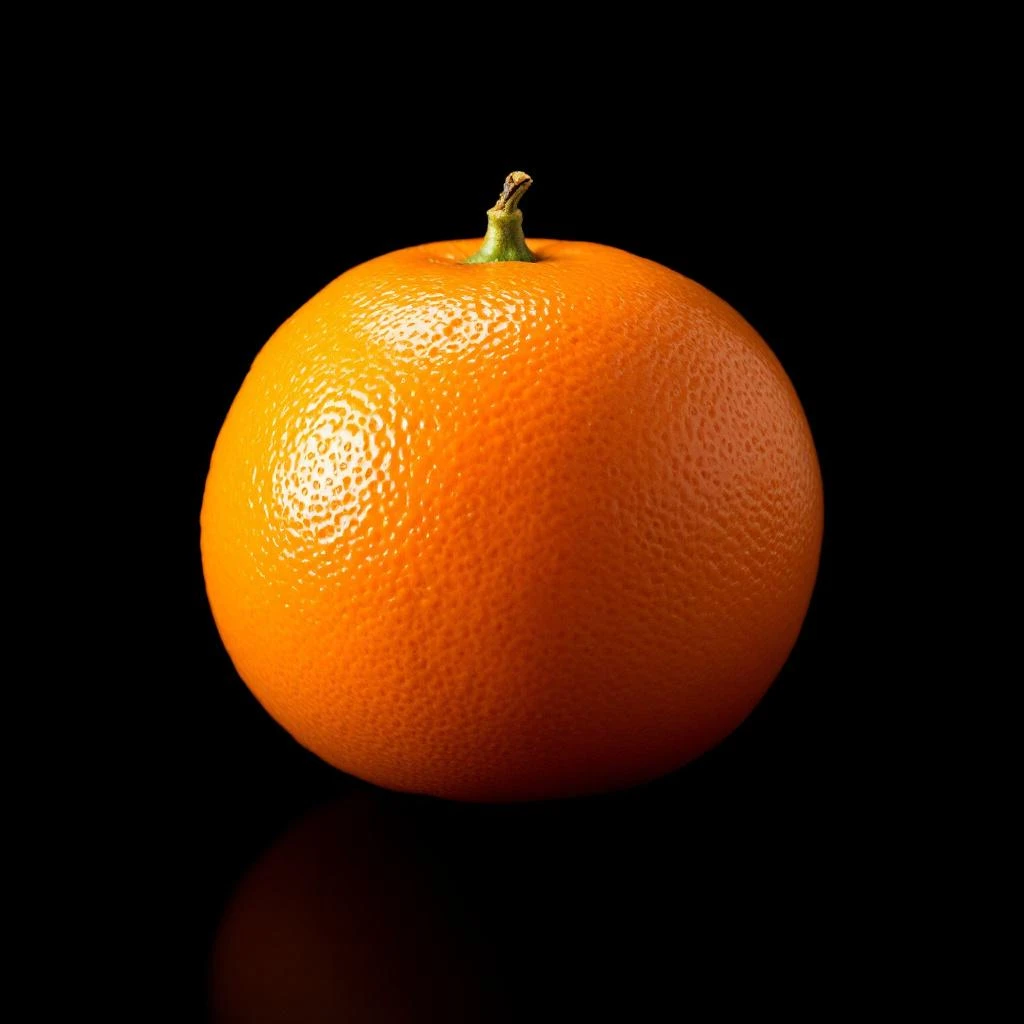
The name petitgrain means 'little grain' in French, referencing the small unripe oranges once used for distillation before leaves became the primary material.








Origin
Tunisia
The bitter orange tree, native to Paraguay, Spain, and Morocco, spread across the Mediterranean basin over centuries. In 1876, French botanist Benjamin Balansa introduced petitgrain distillation to Paraguay using a still, establishing commercial production there.
While France, Italy, and Paraguay dominate modern petitgrain output, Tunisia and other North African nations have maintained continuous production traditions. The name petitgrain translates to "little grain" in French, a reference to the small green oranges originally distilled before leaves became the standard material.
Tunisia's production focuses on the bitter orange variety, yielding the classic petitgrain character of green, citrus, and floral facets undertones. This North African origin contributes a regional expression of petitgrain that perfumers value for its terroir-driven nuances, distinct from the French or Paraguayan varieties.
Wears it best
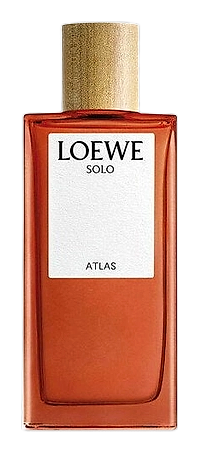
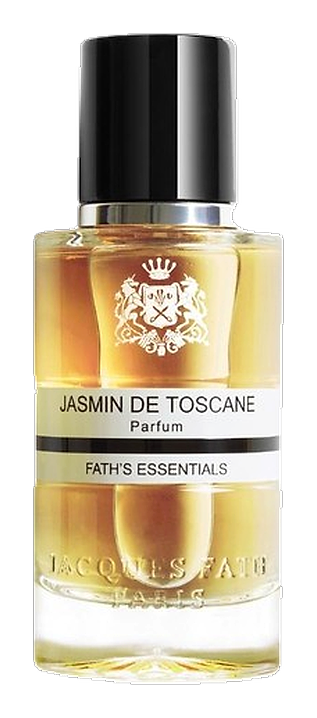
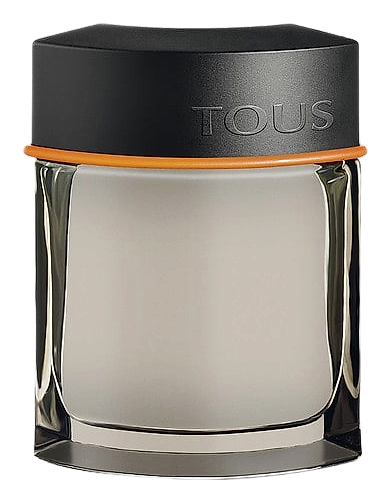
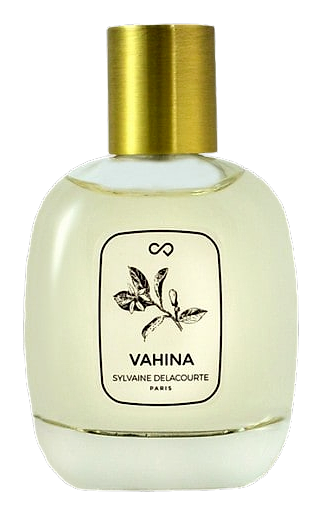
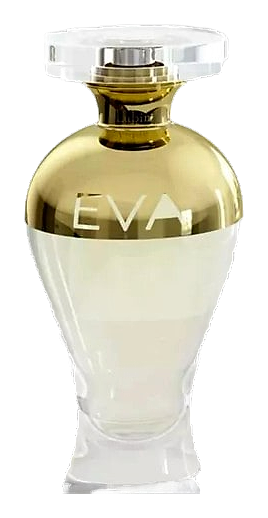
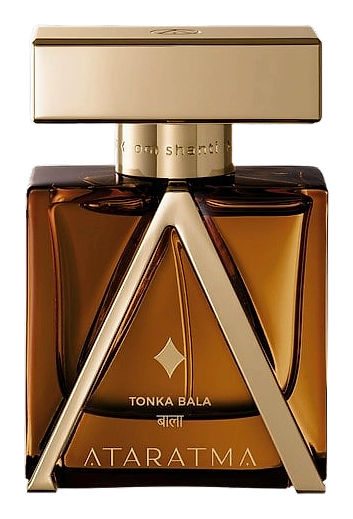
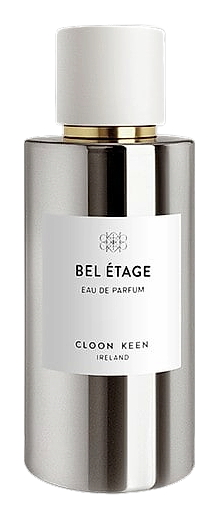
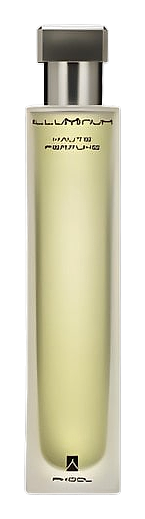
Fragrances featuring Tunisian Petitgrain

Brands
Brands known for Tunisian Petitgrain
Good to know
Questions, answered
The essentials on Tunisian Petitgrain in perfumery: how it smells, where it comes from, and how it behaves on skin.
What does Tunisian petitgrain smell like?
Tunisian petitgrain has a fresh, green, and citrusy scent with floral undertones. Its exact character varies with terroir, soil composition, and harvest timing, giving the Tunisian origin a distinctive Mediterranean brightness compared to other regional varieties.
Is petitgrain the same as neroli?
No. Petitgrain is distilled from the leaves and twigs of the bitter orange tree, while neroli comes from the blossoms of the same tree. These are completely different aromatic materials with distinct scent profiles.
How is petitgrain oil extracted?
Steam distillation is the standard extraction method. Leaves and twigs are harvested and placed in a still where steam passes through the plant material, carrying the aromatic compounds into a condenser where they separate from the water as essential oil.
Where does Tunisian petitgrain rank globally in production?
France, Italy, and Paraguay lead global petitgrain production. Tunisia and other North African countries produce smaller but consistent quantities, with their output valued for the regional terroir differences that affect the oil's aromatic profile.
Does terroir affect petitgrain's scent?
Yes. Like wine, petitgrain's scent character is shaped by terroir, including soil composition, rainfall, climate, and harvest timing. These factors explain why Tunisian petitgrain may express a different aromatic character than French or Paraguayan varieties.
What fragrance families use Tunisian petitgrain?
Tunisian petitgrain appears in colognes, citrus fragrances, chypres, and modern green compositions. It functions as a top note that adds freshness and complexity, often paired with neroli, other citrus materials, and woody base notes.
What ingredients pair well with Tunisian petitgrain?
Tunisian petitgrain pairs naturally with neroli, bergamot, lemon, rosemary, and woody materials like sandalwood. It also combines well with lavender and amber, adding a green, refreshing dimension to blended fragrances.
Why is Tunisian petitgrain significant in perfumery?
Tunisian petitgrain offers perfumers a terroir-specific expression of a classic ingredient. The North African origin provides aromatic nuances tied to local growing conditions, giving fragrance designers a tool for creating regionally distinctive scent compositions.