
The Story
Why it exists.
The beginning
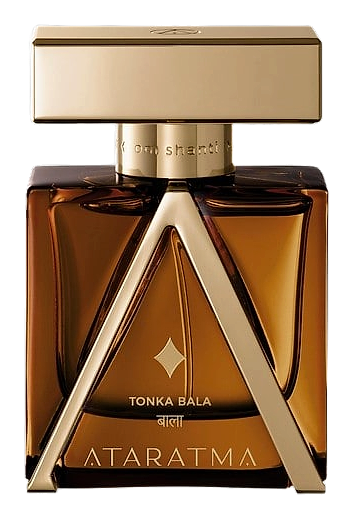
Ataratma built its identity around the idea that scent speaks to something deeper, the soul, they say, from Sanskrit roots that translate as much. When perfumers Fanny Bal and Tanguy Guesnet sat down to create Tonka Bala, they weren't reaching for a crowd-pleaser. They were building something that could anchor a person to themselves. The brief, if there was one, centered on warmth. But not warmth as comfort, warmth as conviction. The kind of confidence that doesn't need to justify itself.
What makes Tonka Bala unusual is the way it pairs gourmand elements with leathery structure. Coconut and tonka bean are natural partners, both nutty, both sweet, both with that milky depth that reads as edible. But Ataratma didn't stop there. Leather pulls against the sweetness. Sandalwood keeps the tropical notes grounded. Musk and vanilla build a base that stays close to skin but refuses to disappear. The result is a fragrance that tastes like something but dresses like something else.
The evolution
The opening hits with the ambrette seed, a quiet green-woody note that steadies the tropical sweetness before it can get ahead of itself. Within minutes, the coconut arrives. Not synthetic, not beachy. Real coconut, the kind with husk and warmth. Tonka bean follows, adding that marzipan-like nuttiness. The leather isn't far. It surfaces in the heart, smoke-soft and supple, threading through the sweetness like a dark ribbon through something bright. By the third hour, the jasmine has bloomed and the base settles into a warm musk-vanilla-sandalwood chord that holds. On fabric, this one goes twelve hours easy. On skin, expect six to eight, depending on your chemistry.
Cultural impact
Tonka Bala sits at the intersection of artisan perfumery and mainstream accessibility, a tension that defines its cultural relevance. The 2025 fragrance landscape is crowded with safe, mass-appealing releases, making a coconut-leather-tonka composition feel almost radical. Ataratma London's Zakra collection positions Tonka Bala as a statement piece for collectors who seek depth over familiarity. The inclusion of Peruvian ambrette seed absolute as a lead note signals a return to sustainable, luxury-tier naturals, distinguishing it from synthetically dominated competitors. This fragrance speaks to a growing tribe of fragrance enthusiasts who reject the algorithmic predictability of trending scents, instead craving compositions with narrative weight and material integrity.
The House
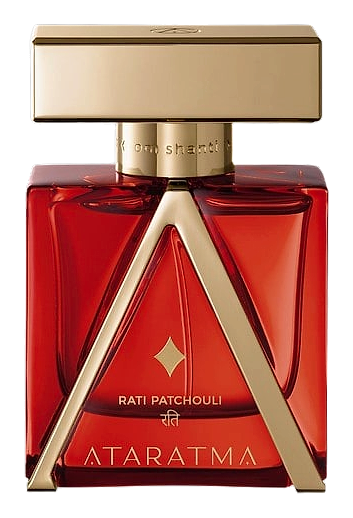
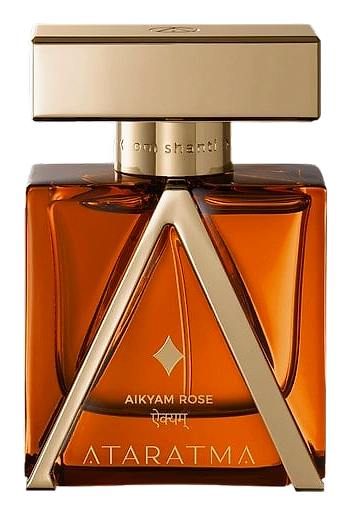
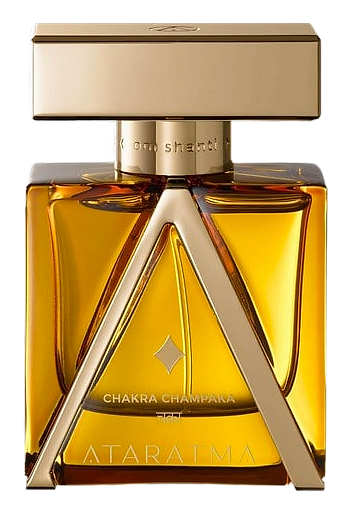
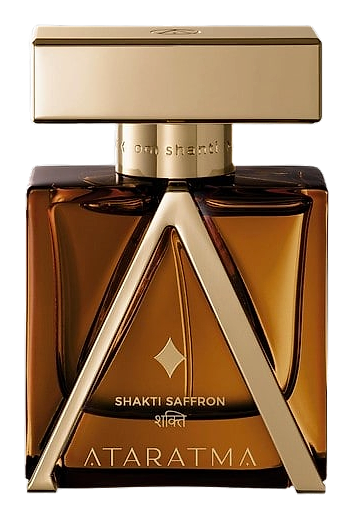
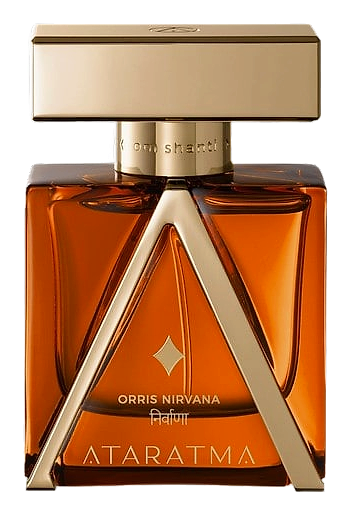
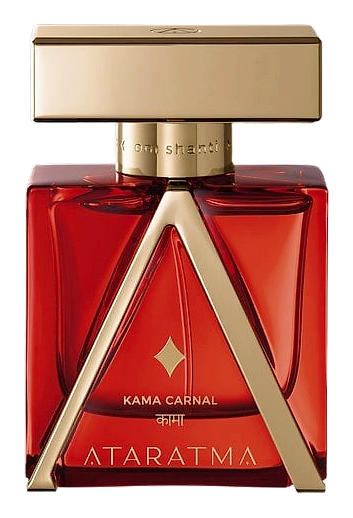
AtaratmaAtaratma London is a UK-based fragrance house founded by Ada Panday, drawing its name from Sanskrit where it translates to "scent for the soul." The brand operates at the intersection of ancient wisdom and contemporary perfumery, with Indian nationals Ada and Dinesh Panday bringing Ayurvedic principles into dialogue with European fragrance traditions. Headquartered with operations in Dubai, the house launched with nine fragrances organized across four distinct collections, each formulated at parfum-strength concentrations ranging from 25 to 30 percent. The collection spans a diverse olfactory spectrum, from the deep richness of Rati Patchouli to the cool elegance of Orris Nirvana, the sensuality of Kama Carnal, the floral complexity of AIKYAM Rose, and the warmth of Shakti Saffron, among others. Working with International Flavors and Fragrances (IFF) perfumers including Paul Guerlain and Caroline Dumur, Ataratma positions itself within the wellness-luxury space, emphasizing mood enhancement and intentional scent creation.
The Creator
Tanguy Guesnet & Fanny BalGuesnet's signature lies in controlled excess. He overuses certain key notes deliberately, not out of recklessness but because he understands that a generous hand with a particular ingredient can create the kind of presence that lingers.