
The Story
Why it exists.
The beginning
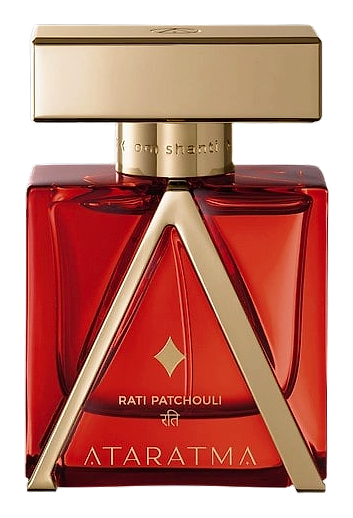
Tanguy Guesnet built Rati Patchouli around desire, the fragrance named for Rati, Hindu goddess of love, keeper of passion and pleasure. But this isn't a literal incense love goddess as one might imagine. The Kama collection takes ancient reference as a starting point, then brings it somewhere contemporary. The brief seems to have been: sensuality without heaviness. Fruity without disposability. Patchouli as an act of modern restraint, not 1970s nostalgia.
The CO2-extracted patchouli changes everything. It's the heart of the base, clean, defined, almost crystalline compared to darker interpretations. Davana is the unexpected move here: slightly bitter, herbal, with a wild edge that keeps the mango from tipping into smoothie territory. And ambrette seed handles warmth where other fragrances might lean on heavier animalics. It smells like skin, only better. The ambition is a fruity-chypre that earns its patchouli, not just using it as depth, but making it part of the conversation.
The evolution
Pink pepper hits first. Crisp. Effervescent. Almost a shock after the softness of the name. Ambrette seed settles beneath it, warm and nut-like, giving the opening a quiet complexity. The first hour belongs to mango and peach, lush, dripping, tropical. Davana threads through, keeping the sweetness honest with a wild, slightly fermented edge. By the second hour, patchouli takes over. Not aggressively, it doesn't shout. But it shifts everything. The fruit recedes to background warmth. Musk and ambroxan move forward. Sandalwood adds cream. The drydown is intimate. Close. This is the version of the fragrance that belongs to you, not the room.
Cultural impact
Rati Patchouli represents a growing trend in niche perfumery where ancient botanical traditions meet modern fruity-floral sensibilities. Ataratma draws from Sanskrit philosophy, positioning desire and sensuality as themes for contemporary fragrance exploration. The use of davana, a wild Indian herb, signals a move toward unconventional ingredients that challenge mainstream fruity fragrance conventions. The 2025 launch reflects how indie brands are democratizing niche perfumery, making complex scent profiles accessible to a broader audience seeking uniqueness over mass-appeal florals. This cultural moment marks a shift from safe, crowd-pleasing compositions toward bolder, more personal olfactory statements that invite conversation.