
The Story
Why it exists.
The beginning
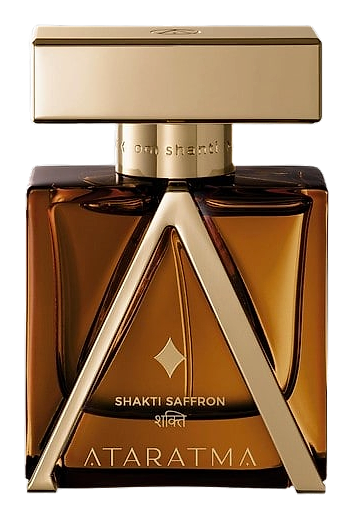
Shakti. In Sanskrit, it means divine feminine energy, the power that moves through everything. For Ataratma's Shakti Saffron, that concept became the brief: a fragrance that doesn't ask for attention. It holds it. Created by Nelly Hachem-Ruiz and launched in 2025, Shakti Saffron is the Zakra collection's statement piece, built around the tension between cherry's addictive sweetness and saffron's ancient heat. Not a quiet wellness scent. Something with a pulse. The perfumer didn't soften either material. Cherry brings its sticky, slightly aldehydic brightness. Saffron brings the medicinal depth of actual threads, metallic, bitter, irreplaceable. Between them, cardamom sparks. Beneath them, labdanum anchors everything into something resinous and grounded. This is what confidence smells like when it stops apologizing.
What's interesting here isn't any single note. It's the structure. Shakti Saffron opens fruity instead. Cherry leads before saffron has even announced itself. The composition lets you settle in before revealing its true character. The base is where the intentions become clear. Moss and labdanum together create something cool beneath the warmth, a forest floor quality that prevents the whole thing from becoming a flat amber bomb. Cypriol adds earthy, slightly tarry depth that grounds the brighter opening notes.
The evolution
The opening hits bright. Cherry and cardamom arrive together, frankincense hovering underneath like a held breath. For the first moments, it's almost playful, fruity-spicy, accessible. Then the saffron takes over. The shift is notable. One moment you're in a bright kitchen; the next, you've walked into a room where incense has been burning for hours. The heart belongs to saffron and cypriol. Warm, slightly metallic, with a honeyed edge that labdanum amplifies. This phase carries the fragrance through its most assertive stage, the period when the composition announces itself most forcefully. The drydown is where it earns its name. Labdanum and moss settle close to the skin. The leather note the community mentions becomes more apparent here, not loud, but present. Resinous. The kind of smell that clings to a wool coat. On fabric, it lasts until the next wash.
Cultural impact
Frankincense, cardamom, and cherry form a bridge across civilizations and centuries. Each ingredient carries weight in multiple cultural traditions, giving the fragrance a layered significance beyond its immediate scent. Frankincense has been prized for millennia in various sacred and ceremonial contexts, its smoke carrying symbolic meaning across different cultures. Cardamom has long been valued in cooking, medicine, and ritual, appearing in traditions from South Asia to the Middle East. Cherry brings a different quality to the composition, the fruit carrying associations with sweetness and seasonal renewal in many cultures.
The House
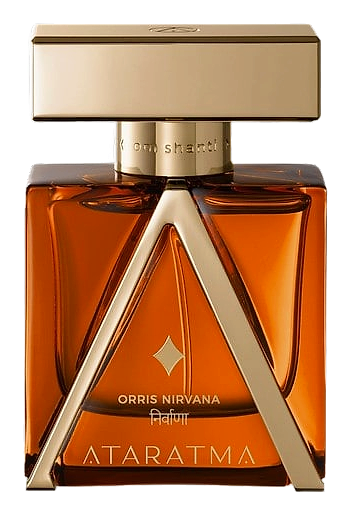
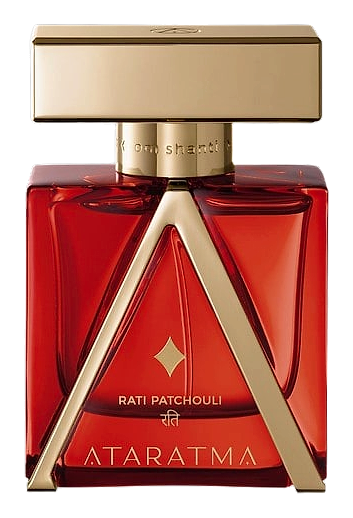
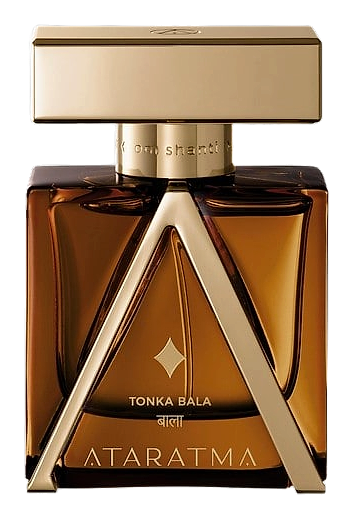
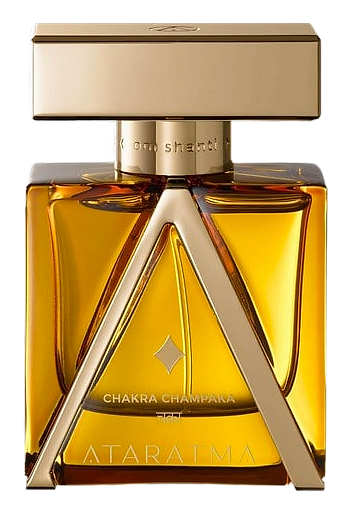
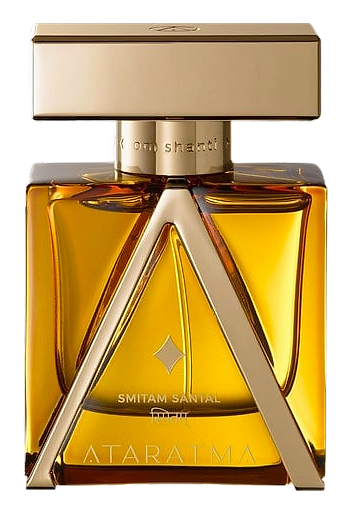
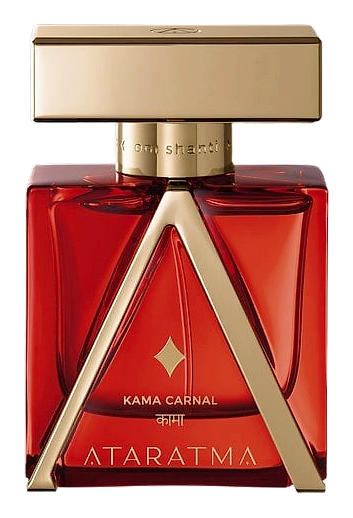
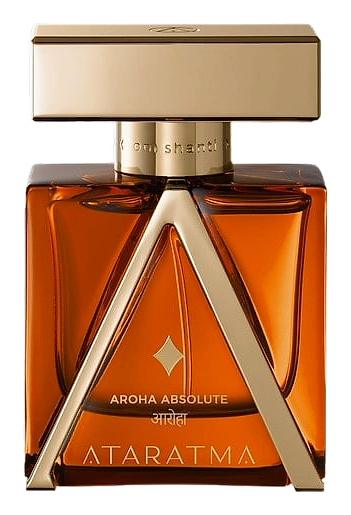
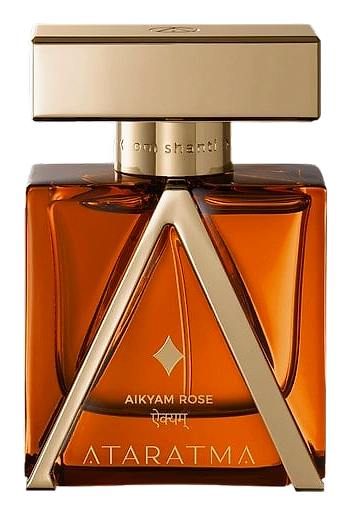
AtaratmaAtaratma London is a UK-based fragrance house founded by Ada Panday, drawing its name from Sanskrit where it translates to "scent for the soul." The brand operates at the intersection of ancient wisdom and contemporary perfumery, with Indian nationals Ada and Dinesh Panday bringing Ayurvedic principles into dialogue with European fragrance traditions. Headquartered with operations in Dubai, the house launched with nine fragrances organized across four distinct collections, each formulated at parfum-strength concentrations ranging from 25 to 30 percent. The collection spans a diverse olfactory spectrum, from the deep richness of Rati Patchouli to the cool elegance of Orris Nirvana, the sensuality of Kama Carnal, the floral complexity of AIKYAM Rose, and the warmth of Shakti Saffron, among others. Working with International Flavors and Fragrances (IFF) perfumers including Paul Guerlain and Caroline Dumur, Ataratma positions itself within the wellness-luxury space, emphasizing mood enhancement and intentional scent creation.
The Creator
Nelly Hachem-RuizNelly gravitates toward luminous, warm constructions that carry emotional weight. She favors ingredients with presence and diffusion, often pushing materials beyond their conventional usage to see what they become at unexpected concentrations.