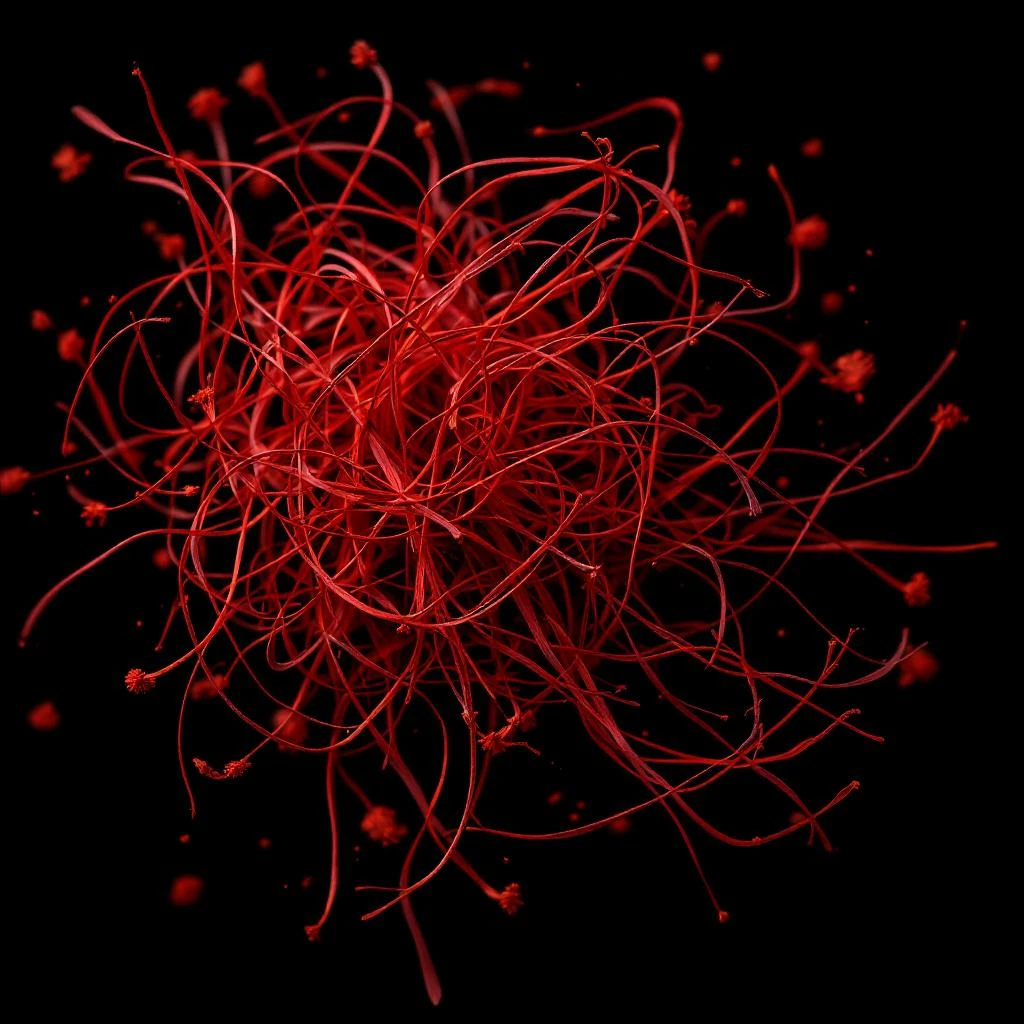
Timut Pepper
Wild-harvested in Nepal's Himalayan foothills, Timut pepper brings an electrifying citrus-spice note to perfumery—often compared to grapefruit or dried citrus peel. Its unique tingling quality, from the compound hydroxy-alpha-sanshool, creates a vibration rather than heat, setting it apart from conventional peppers.
Character
How it smells
Citrus electricity from the Himalayas
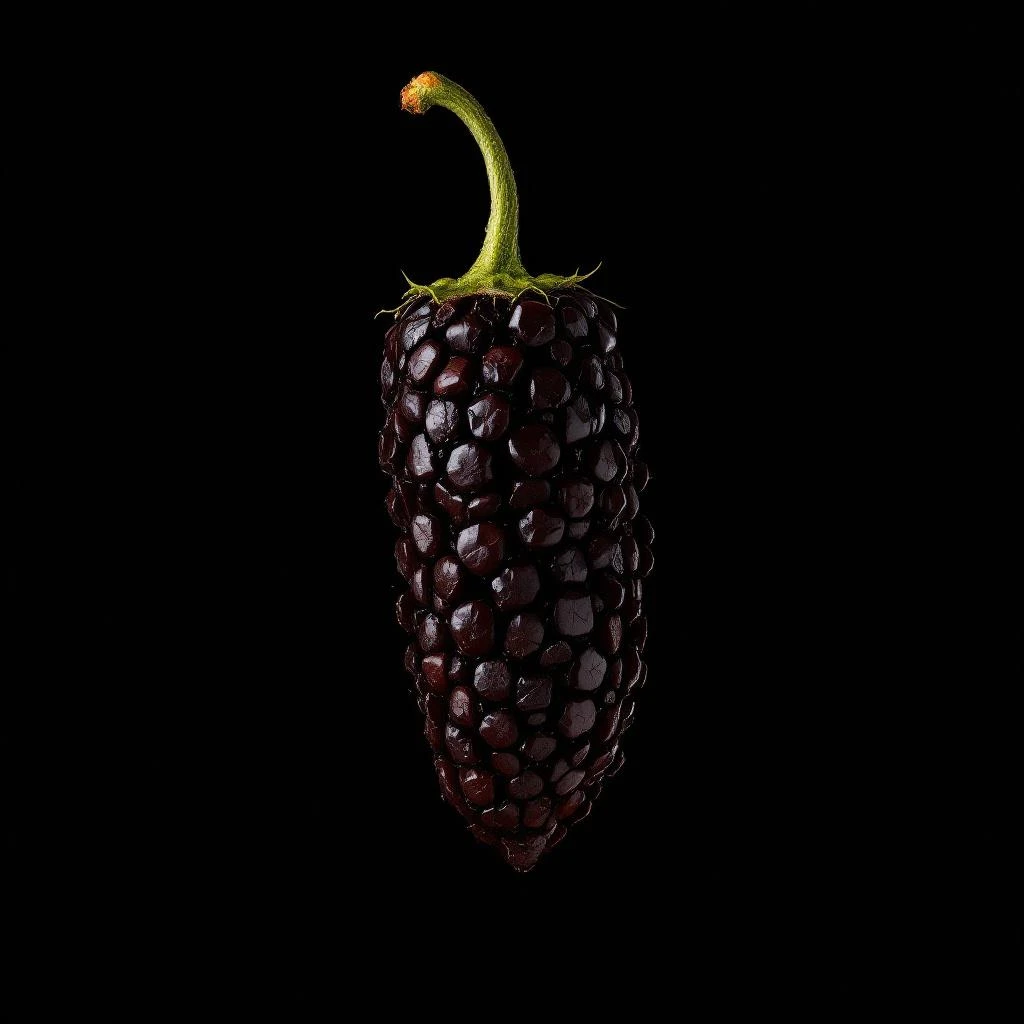
The tingling sensation comes from hydroxy-alpha-sanshool activating mechanoreceptors at approximately 50 Hz, creating a vibration instead of heat.



Origin
Nepal
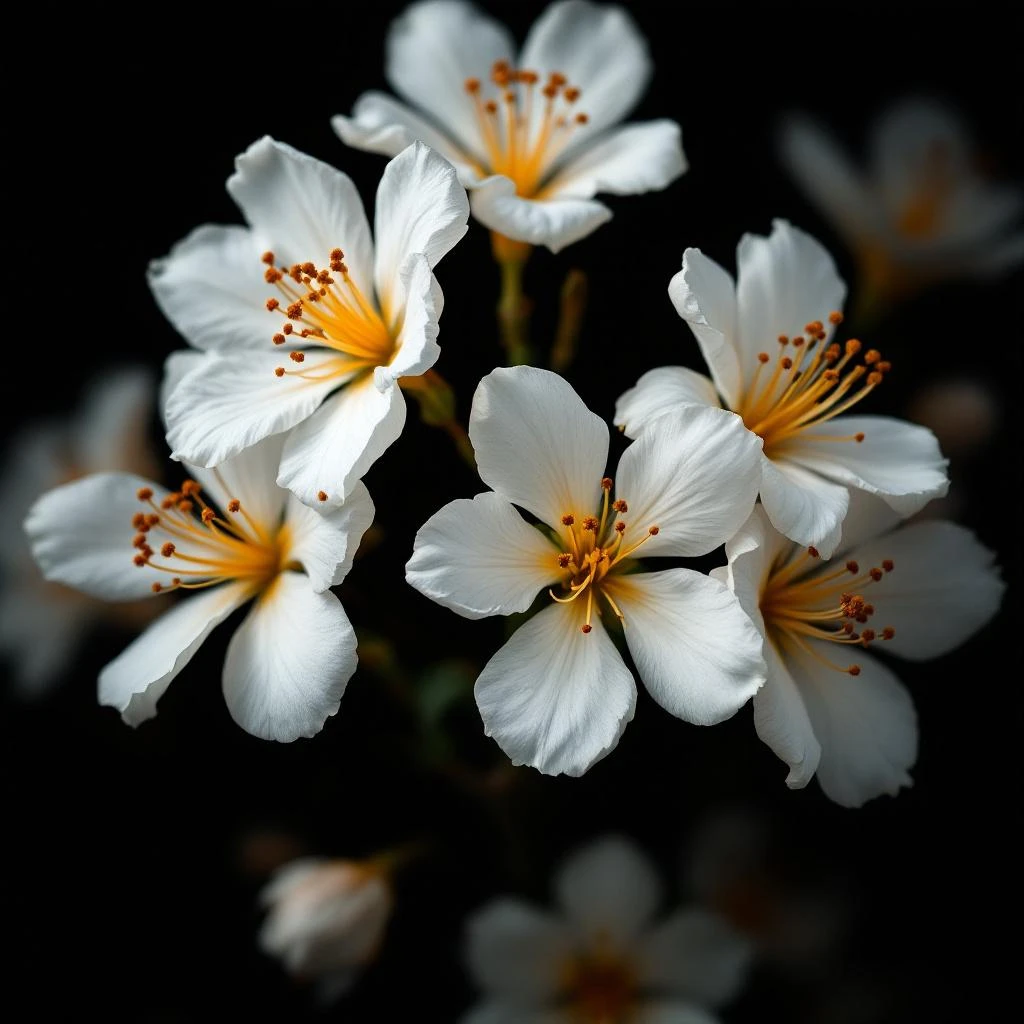
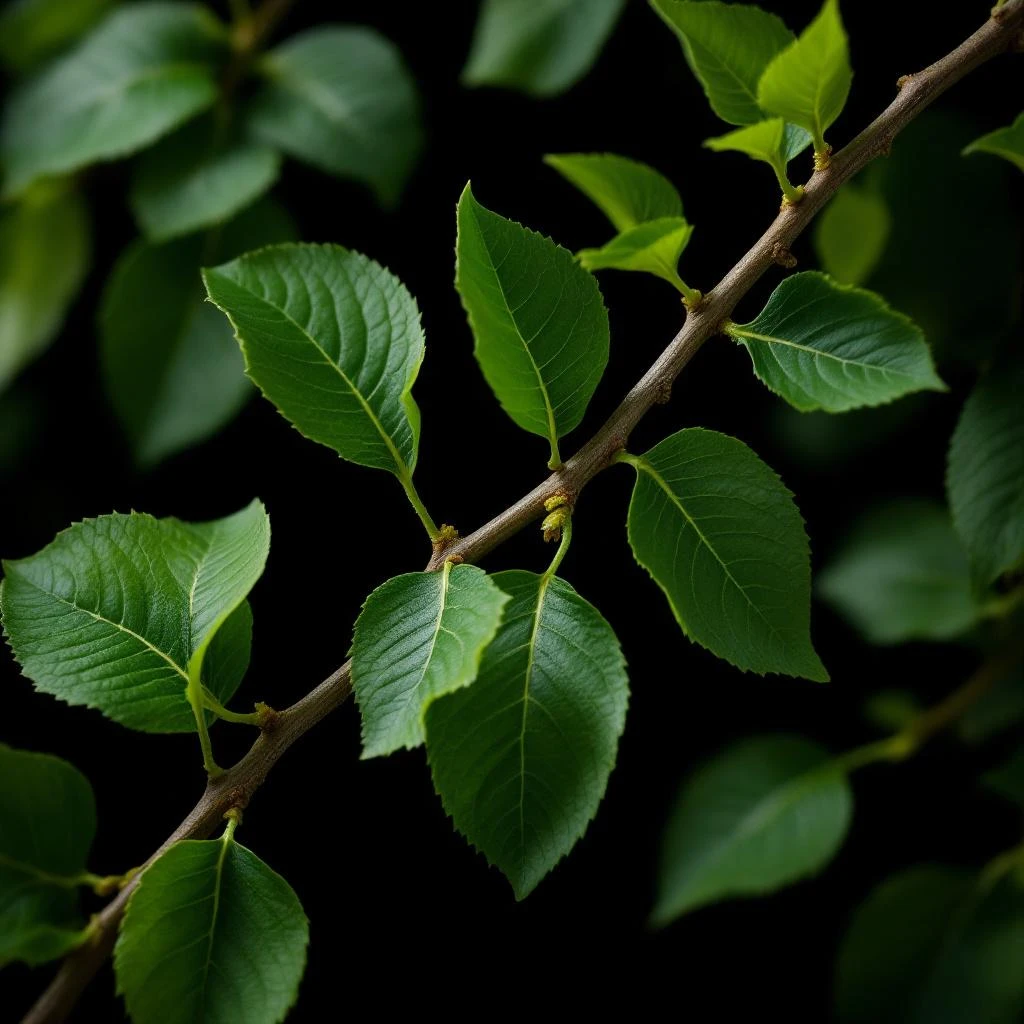
Timut pepper belongs to the Rutaceae family, making it a botanical cousin of citrus fruits rather than true pepper from Piper nigrum. Native to the Himalayan highlands of Nepal, this ingredient entered the Western perfumery world relatively recently but gained rapid acceptance among major fragrance houses. Its cousin, Sichuan pepper, has been used in Asian cuisine and medicine for centuries, particularly in traditional Chinese and Nepalese practices.
The name derives from local Himalayan languages, where 'timur' means 'iron' in reference to the plant's thorny nature. Today, essential oil and CO2 extracts of Zanthoxylum armatum appear in formulations across the industry, from artisan houses to luxury fashion brands.
Wears it best
Fragrances featuring Timut Pepper
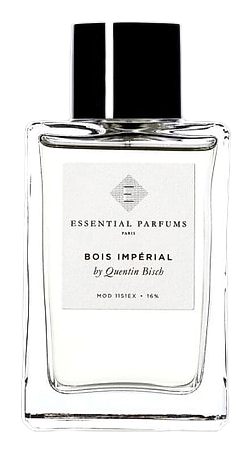
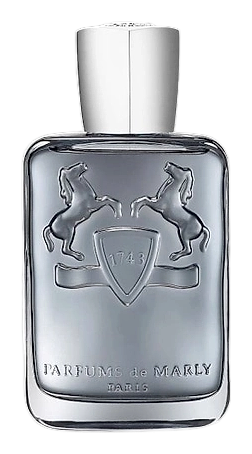
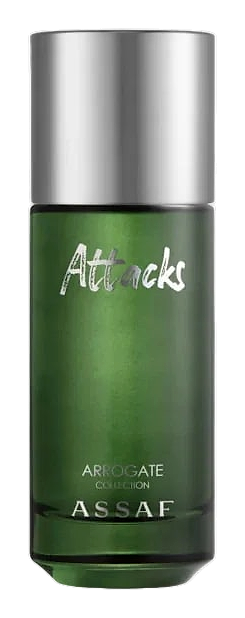
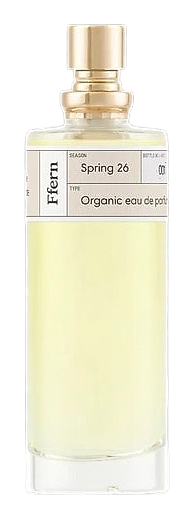
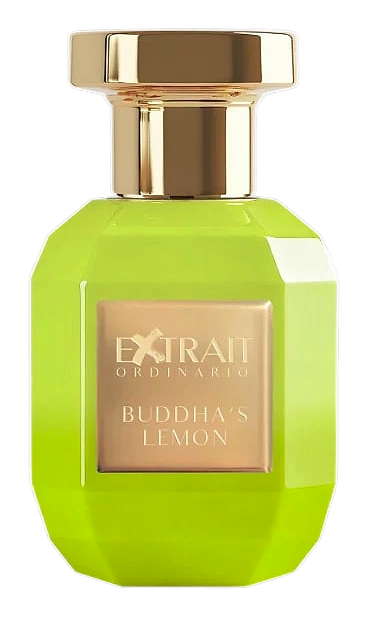
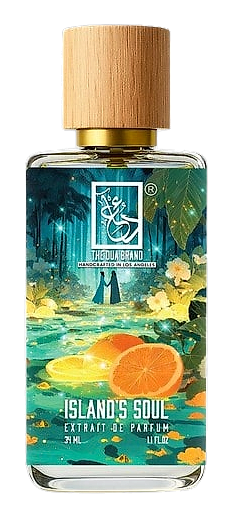
Brands
Brands known for Timut Pepper
Good to know
Questions, answered
The essentials on Timut Pepper in perfumery: how it smells, where it comes from, and how it behaves on skin.
What does Timut pepper smell like?
Timut pepper delivers a bright citrus-spice aroma often compared to grapefruit or dried citrus peel. It occupies novel territory between fresh citrus and warm spice, with a distinctive electric quality that sets it apart from conventional peppercorns.
What causes the tingling sensation from Timut pepper?
Hydroxy-alpha-sanshool activates mechanoreceptors in the lips and tongue at approximately 50 Hz. This specific frequency creates a buzzing vibration rather than the heat associated with traditional peppers, producing a unique sensory effect.
Where does Timut pepper originate?
Wild-harvested in Nepal's Mahabharat Mountain Range at elevations between 1,000 and 2,500 meters. The harsh Himalayan conditions produce berries with concentrated aromatic compounds prized by perfumers.
How is Timut pepper oil extracted?
Two methods dominate: steam distillation of dried fruits yields 2-4% essential oil, while supercritical CO2 extraction preserves more delicate citrus-floral volatiles for a purer, more complex extract.
How does Timut pepper differ from black pepper?
Botanically, Timut pepper comes from Zanthoxylum armatum in the Rutaceae family, while black pepper comes from Piper nigrum. Timut offers bright citrus notes rather than earthy heat, plus a distinctive tingling quality sanshool provides.
In which fragrance position does Timut pepper typically appear?
Timut pepper functions primarily as a top note. Its volatile citrus-spice character appears prominently in fragrance openings, bringing immediate freshness and a lively, sparkling quality to the composition.
What compounds define Timut pepper's character?
Hydroxy-alpha-sanshool produces the signature tingling vibration. Cinnamates contribute subtle balsamic depth, while citrus volatiles deliver the grapefruit-like brightness that distinguishes Timut from other aromatic peppers.
Which fragrance ingredients pair well with Timut pepper?
Timut pepper harmonizes naturally with citrus oils, light florals, and woody bases. Its grapefruit-like quality enhances citrus compositions, while its spicy undertones add complexity to floral or woody fragrance structures.