Tibetan Osmanthus
A rare floral treasure from the highlands of Tibet, osmanthus carries an unexpected scent of sun-warmed apricots wrapped in soft suede. This ancient blossom has flavored Chinese teas for 2,500 years and only recently caught the attention of Western perfumers.
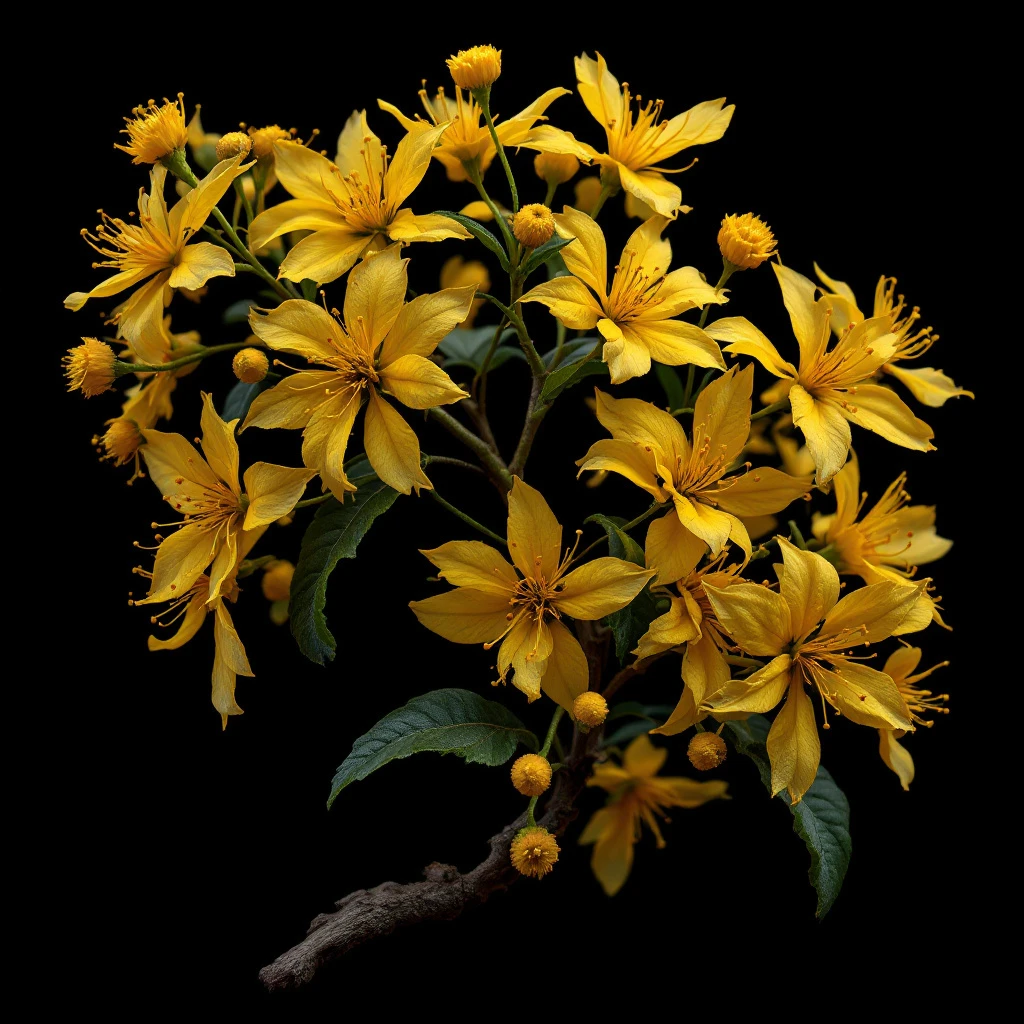
Character
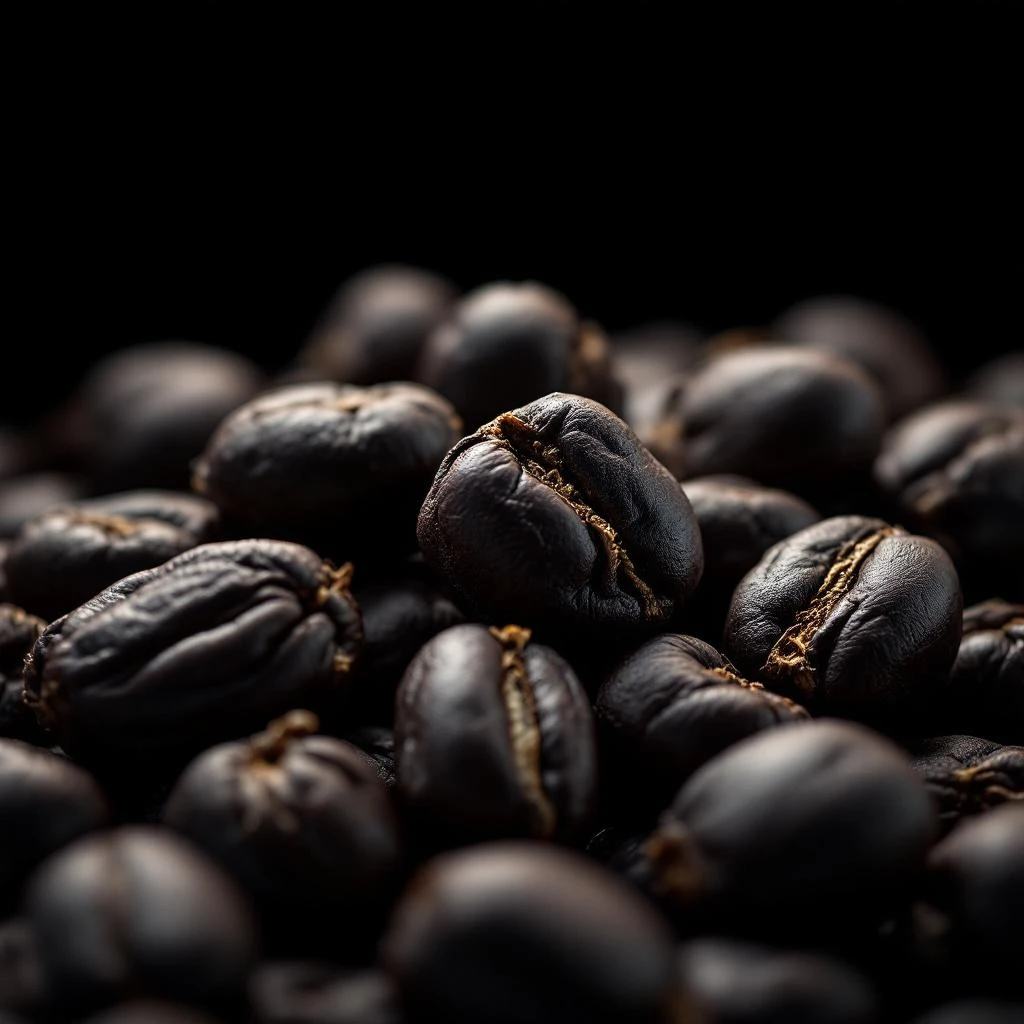
How it smells
Apricot, suede, and autumn in a single flower.
Osmanthus fragrans has been cultivated in China for roughly 2,500 years, traditionally planted near homes as an ornamental and scent plant long before it reached perfumery.
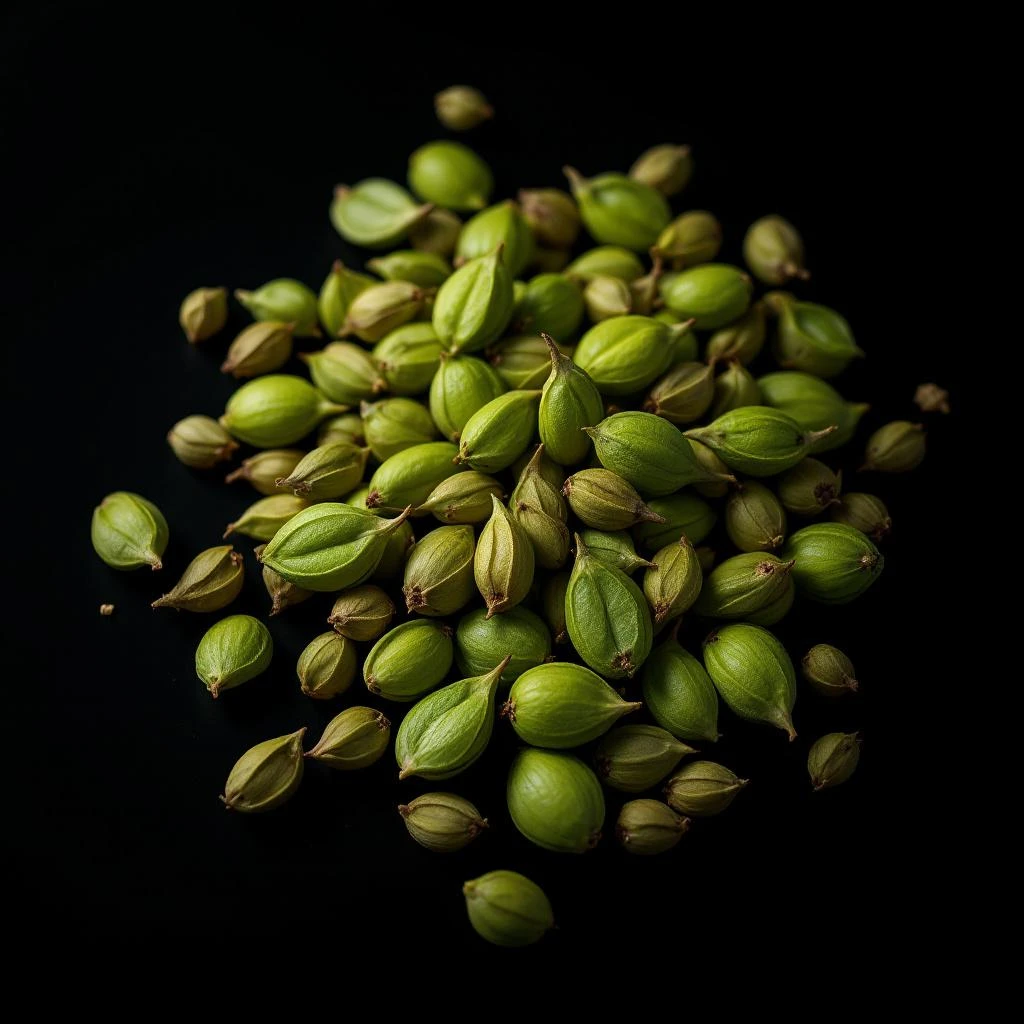




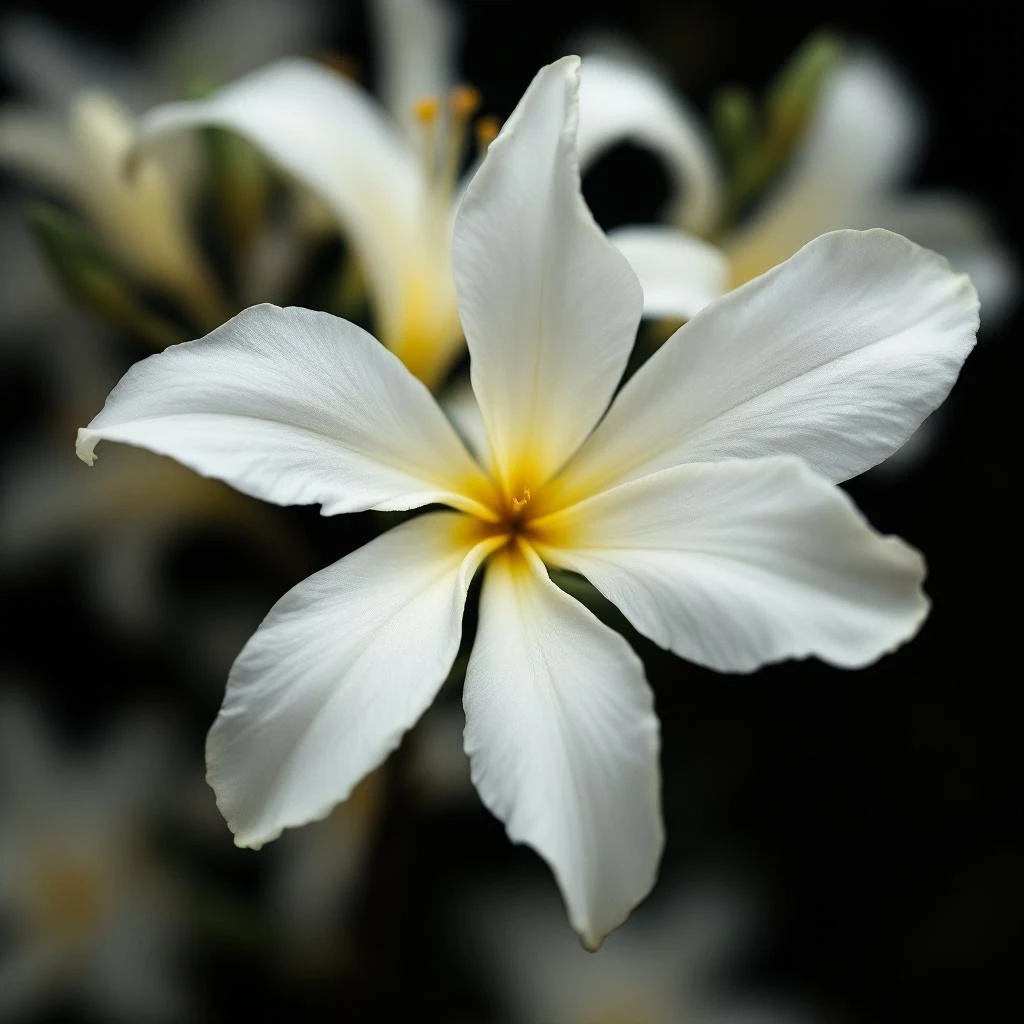

Origin
China
Osmanthus fragrans carries one of the longest cultivation histories of any scented plant on record. Chinese growers have tended this species for approximately 2,500 years, planting it near homes, temples, and imperial gardens for its powerful fragrance and ornamental beauty. The name itself comes from Greek: osme meaning fragrance, and anthos meaning flower.
In traditional Chinese culture, osmanthus became associated with the Mid-Autumn Festival, when the trees bloom in unison with the harvest moon. The flowers flavored teas, wines, and preserved jams for centuries before perfumers took serious interest. Production of osmanthus absolute for the fragrance industry originated in China and remains centered there today, particularly in regions between Guilin and Yangzhou where cultivation traditions run deepest.
It was used in fragrance sachets, oils, and incense as early as the 1920s, yet the ingredient stayed largely outside Western perfumery until recent decades. Today, osmanthus appears in an expanding number of compositions as noses worldwide rediscover this fruit-laden floral note.
Wears it best
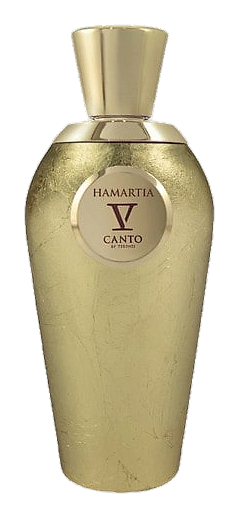
Fragrances featuring Tibetan Osmanthus
Brands
Brands known for Tibetan Osmanthus
Good to know
Questions, answered
The essentials on Tibetan Osmanthus in perfumery: how it smells, where it comes from, and how it behaves on skin.
What does Tibetan osmanthus smell like?
Tibetan osmanthus carries a distinctive apricot-like sweetness layered over soft, suede-like leather undertones. Many describe it as smelling like autumn itself: warm, fruity, and slightly creamy with a hint of dried fruit preserve.
Is osmanthus rare in perfumery?
Yes, osmanthus remains uncommon in mainstream Western fragrance, though its use is growing. Production requires massive quantities of fresh flowers per unit of absolute, and the blooms must be processed quickly, keeping supply limited.
Where is osmanthus originally from?
Osmanthus fragrans originates from Eastern Asia, particularly southern China between Guilin and Yangzhou. It has been cultivated there for approximately 2,500 years as both an ornamental and aromatic plant.
How is osmanthus absolute extracted?
Osmanthus absolute is produced through solvent extraction of freshly picked flowers. This method captures the full range of aromatic compounds, including delicate lactones responsible for the apricot character that steam distillation often loses.
What is the difference between osmanthus and Tibetan osmanthus?
Tibetan osmanthus generally refers to high-altitude cultivars with a slightly cooler, more restrained aroma profile compared to lowland Chinese varieties. The core scent characteristics remain similar, but terroir adds nuance.
Why is osmanthus expensive?
Extraction yields are exceptionally low: hundreds of kilograms of fresh blossoms yield only small quantities of absolute. Combined with labor-intensive harvesting and rapid post-harvest processing requirements, costs remain high.
Can osmanthus be synthetically replicated?
Partial synthetic versions exist using individual aroma molecules like beta-damascenone, but no single compound fully captures the fruit-and-leather complexity. Most perfumers working with osmanthus prefer natural absolute or carefully constructed accords.
What perfumes feature osmanthus as a key note?
Osmanthus appears in compositions from several niche houses exploring Eastern floral themes. It also features prominently in traditional Chinese fragrance sachets and incense formulations dating back to the early twentieth century.





