Tibetan Bamboo
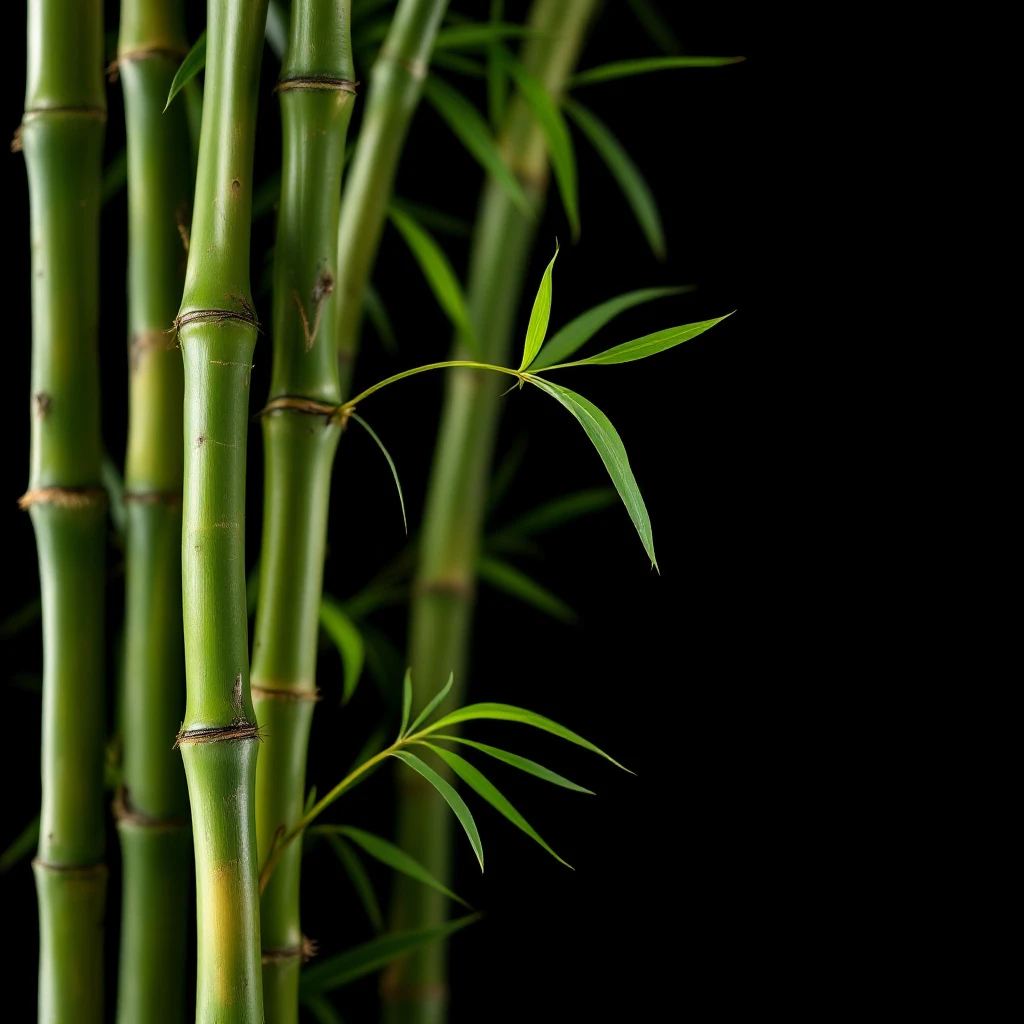
Tibetan Bamboo brings a crisp, green aqueous quality to modern perfumery, evoking mist-laced Himalayan valleys and the clean snap of split stems at dawn.
Character
How it smells
Himalayan mist in a bottle
Bamboo can grow up to 91 cm in a single day, making it one of the fastest regenerating scent materials available to perfumers.


Origin
China
Bamboo holds a central place in Tibetan material culture, used for centuries to construct homes, carry water, and craft ritual objects across the high plateau. Its inclusion in fragrance is a far more recent development, emerging as Western perfumers began seeking novel green-aqueous notes beyond traditional mint and cucumber families.
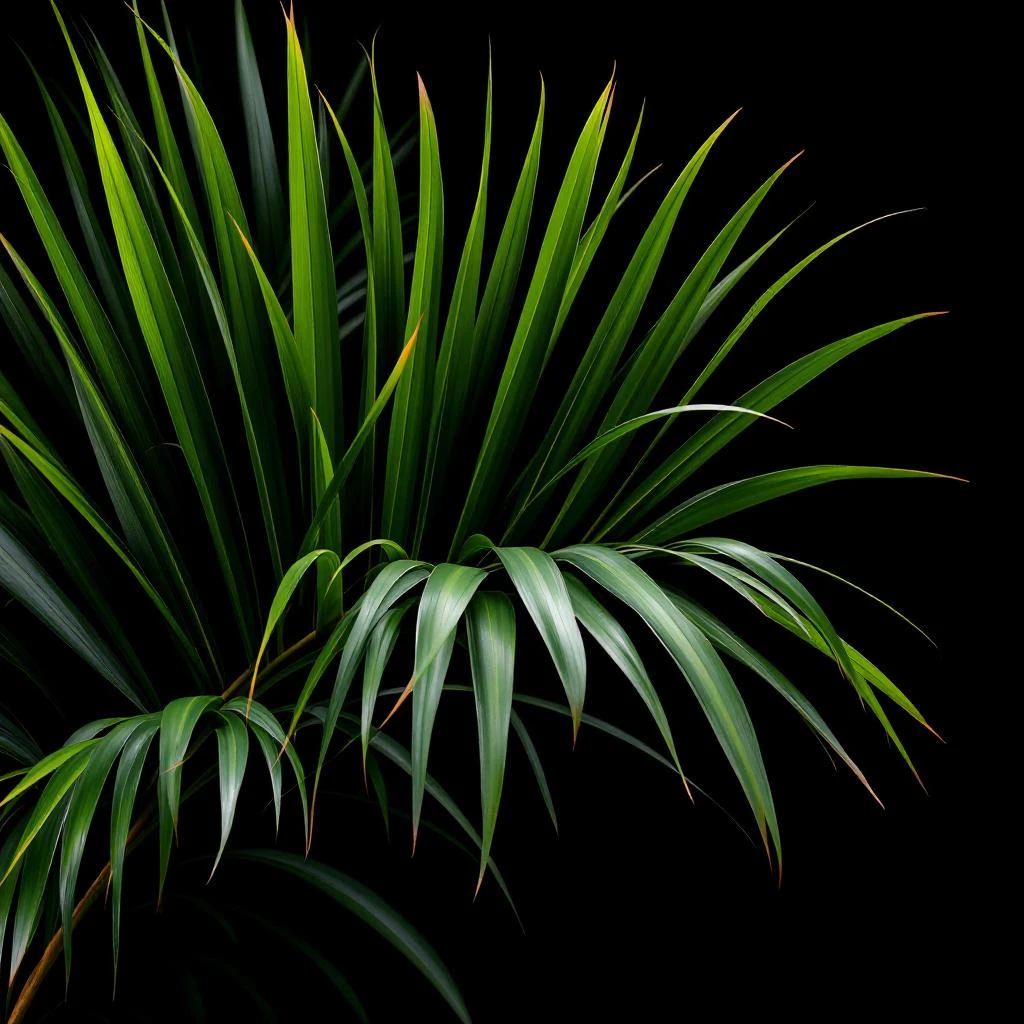
The species Arundinaria and several Fargesia varieties, native to elevations above 3,000 metres in Tibet and surrounding provinces, became associated with this olfactive profile in niche compositions from the 1990s onward. Before that, bamboo appeared primarily as a symbolic motif in Asian-inspired packaging rather than as an extracted ingredient.
Ancient Tibetan medicine did incorporate bamboo derivatives, particularly bamboo sap and shavings (Zhu Ru), in traditional formulations documented in classical pharmacopeias. The modern perfumery interpretation draws on this cultural resonance while relying on aromatic chemistry to capture what steam distillation alone cannot easily express.
Wears it best
Fragrances featuring Tibetan Bamboo
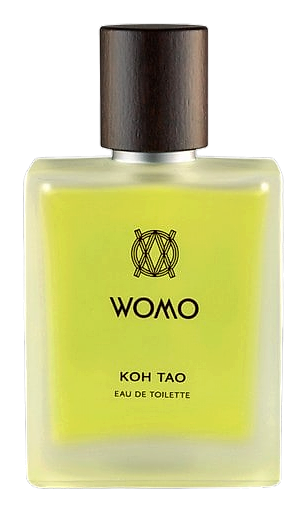
Brands
Brands known for Tibetan Bamboo
Good to know
Questions, answered
The essentials on Tibetan Bamboo in perfumery: how it smells, where it comes from, and how it behaves on skin.
What does Tibetan Bamboo smell like?
Tibetan Bamboo reads as a cool, watery-green note with subtle metallic and starchy undertones. It evokes freshly cut stems and mountain mist, functioning as a transparent accent rather than a dominant heart in compositions.
Is Tibetan Bamboo a natural or synthetic fragrance ingredient?
Most Tibetan Bamboo notes in modern perfumery are reconstructed accords combining natural isolates with synthetic aroma chemicals like stemone. Direct essential oil from bamboo culms is commercially rare due to low yields.
Where does Tibetan Bamboo come from?
The bamboo species associated with this note grow wild across the Tibetan Plateau and surrounding Chinese provinces, typically at elevations above 3,000 metres where cool temperatures slow growth.
How is Tibetan Bamboo extracted for perfume?
Perfumers typically build a bamboo accord using synthetic molecules and natural isolates rather than distilling raw culms. Solvent extraction of bamboo leaves can produce a green absolute, though yields remain minimal.
When was Tibetan Bamboo first used in perfumery?
Bamboo appeared as a perfumery note primarily from the 1990s onward, when niche Western perfumers sought novel green-aqueous accords. Earlier references used bamboo symbolically in Asian-inspired fragrances.
What fragrances pair well with Tibetan Bamboo?
Tibetan Bamboo complements white tea, green leaf notes, lotus, and watery florals. It also anchors citrus compositions, lending a cool stem-like quality beneath bergamot and yuzu top notes.
Is Tibetan Bamboo sustainable?
Bamboo is among the most renewable botanical resources, with some species growing over 90 cm per day. Perfumers using reconstructed accords avoid pressure on wild Himalayan stands entirely.
What is the difference between bamboo and Tibetan Bamboo in fragrance?
Both notes share a watery-green character, but Tibetan Bamboo typically references cooler, more mineral Himalayan varieties. Generic bamboo notes may lean warmer or more grassy depending on the accord constructed.