The Heritage
The Story of Womo
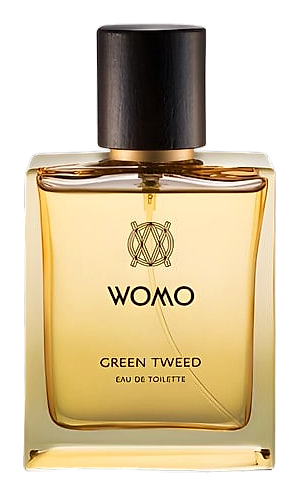
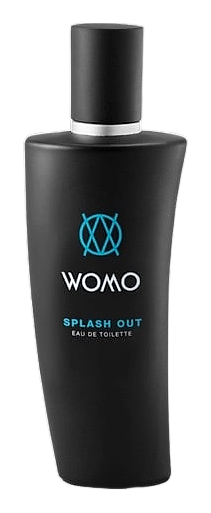
Womo is a niche fragrance house that crafts unisex scents for scent‑curious collectors. Since its first launch in 2014, the brand has built a modest catalogue that pairs unexpected ingredients – black tobacco with smoky woods, incense with cardamom, or juniper with sea‑salt – to create moments that feel both grounded and adventurous. Each bottle arrives in a minimalist, matte‑black flacon that lets the perfume speak for itself. Womo’s releases appear in limited batches, encouraging a personal connection between wearer and aroma, while the brand maintains a low‑key online presence that lets the fragrances do the talking.
Heritage
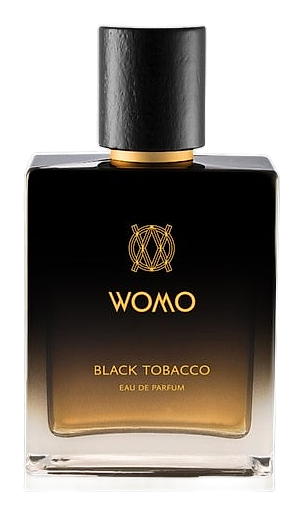
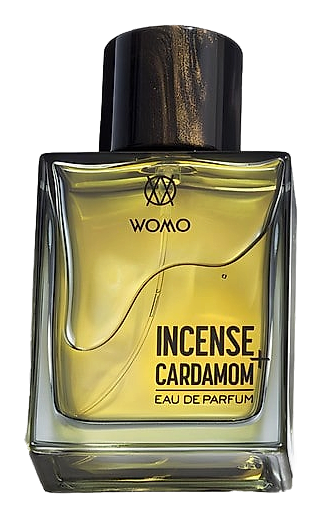
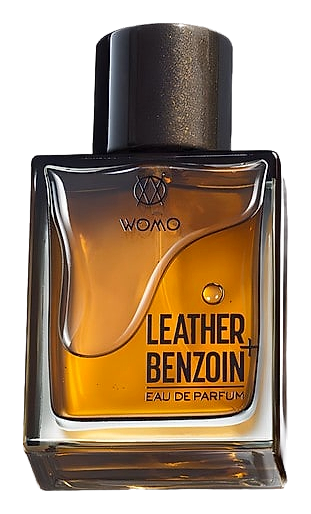
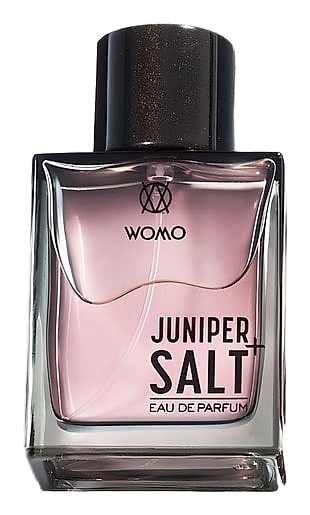
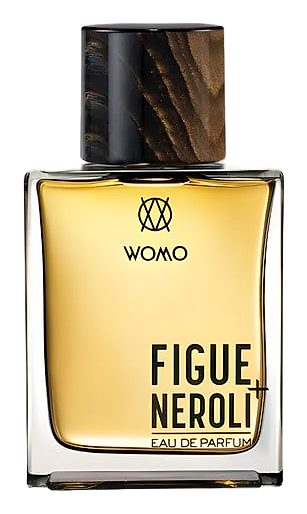
Womo emerged in the early 2010s, reportedly founded by a small collective of fragrance enthusiasts based in Greece. The founders, who remain largely anonymous, shared a desire to move beyond mainstream trends and explore raw, elemental pairings. Their first public offering, Black Tobacco (2014), arrived on a modest e‑commerce platform and quickly attracted attention on niche forums for its smoky depth. In 2017 the house expanded its palette with Incense + Cardamom and Leather + Benzoin, both of which were highlighted on Fragrantica as examples of the brand’s willingness to juxtapose sacred and everyday scents. The following year, Juniper + Salt (2018) introduced a coastal character that referenced the Aegean sea, while Santal + Coffee (2020) blended creamy wood with roasted notes, reflecting a shift toward gourmand‑inspired compositions. The most recent addition, Figue + Neroli (2021), showcases a bright, Mediterranean fruit‑flower duo, underscoring the brand’s continued focus on regional inspiration. Throughout its growth, Womo has kept production small, releasing each scent in limited quantities and often announcing new launches via social media teasers rather than traditional press releases. This low‑profile strategy has helped the house maintain a cult following among collectors who value rarity and authenticity over mass appeal.
Craftsmanship
Womo collaborates with small‑batch manufacturers in Greece and neighboring Italy, where the majority of its raw materials are sourced. The brand reportedly works directly with spice growers for cardamom, coffee cooperatives for roasted beans, and timber suppliers for sandalwood, ensuring traceability and supporting local economies. Formulations are created in a modest lab that follows traditional French perfumery techniques, such as maceration and careful temperature control, while also experimenting with modern synthetic accords to achieve stability. Each fragrance undergoes a three‑month aging period in dark glass containers, allowing the notes to meld and settle. Quality control includes blind testing by a panel of scent professionals and a final sensory review by the founding team before bottling. Production runs are limited to 500–1,000 units per release, a practice that helps maintain consistency across batches and preserves the brand’s intimate scale. Bottles are hand‑filled, sealed with a simple screw cap, and packaged in recyclable cardboard that bears the brand’s understated logo.
Design Language
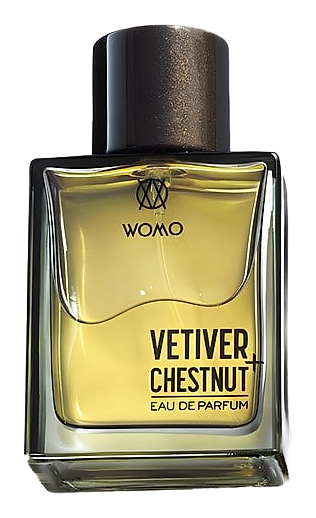
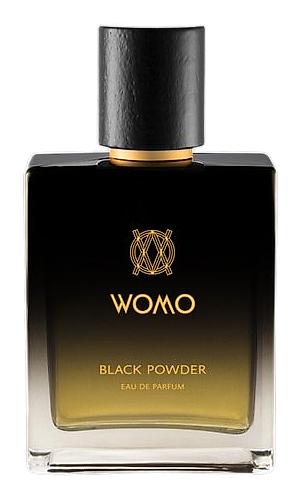
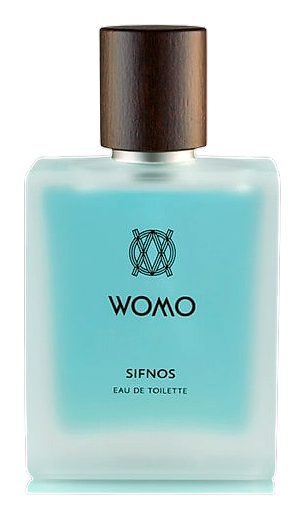
Visually, Womo adopts a restrained, utilitarian aesthetic that mirrors its olfactory approach. The flacon features a smooth, matte‑black glass body with a thin, brushed‑metal cap, allowing the perfume’s color to emerge subtly when held to light. Labels consist of a single line of sans‑serif type, printed in off‑white on textured paper, providing a tactile contrast to the sleek bottle. The brand’s website follows the same minimal design language, using ample white space, muted grayscale photography, and concise copy that foregrounds the scent’s story rather than promotional hype. In promotional imagery, Womo often places its bottles against natural backdrops – stone walls, sea cliffs, or wooden tables – reinforcing the connection between the fragrance and its environmental inspiration. This cohesive visual identity has been noted by niche fragrance blogs for its consistency and for allowing the scent itself to remain the focal point.
Philosophy
Womo’s creative vision centers on the idea that scent can act as a portable memory of place. The brand states that it draws inspiration from the textures of everyday life – the grit of stone, the aroma of a seaside breeze, the warmth of a hearth – and translates them into olfactory narratives. Rather than chasing fleeting trends, Womo prioritises ingredient honesty; each component is chosen for its intrinsic character and its ability to converse with the others. The house embraces a minimalist ethos, believing that a fragrance should be experienced without visual distraction. This philosophy extends to its marketing, which avoids hyperbole and instead lets user reviews and community discussions shape perception. Sustainability also features in the brand’s values: sourcing is aimed at local farms when possible, and packaging is designed for recyclability, reflecting a respect for the environments that inspire the scents.
Key Milestones
2014
Launch of Black Tobacco, the brand’s inaugural fragrance, introduced on a niche e‑commerce platform.
2017
Release of Incense + Cardamom and Leather + Benzoin, expanding the house’s palette of sacred and material notes.
2018
Juniper + Salt debuts, drawing on Mediterranean coastal influences and gaining attention on fragrance forums.
2020
Santal + Coffee arrives, marking a shift toward gourmand‑inspired compositions while retaining the brand’s elemental focus.
2021
Figue + Neroli launches, highlighting bright, fruit‑flower pairings and reinforcing the brand’s regional inspiration.
At a Glance
Brand profile snapshot
Origin
Greece
Founded
2013
Heritage
13
Years active
Collection
1
Fragrances released
Avg Rating
3.5
Community sentiment
Release Rhythm


