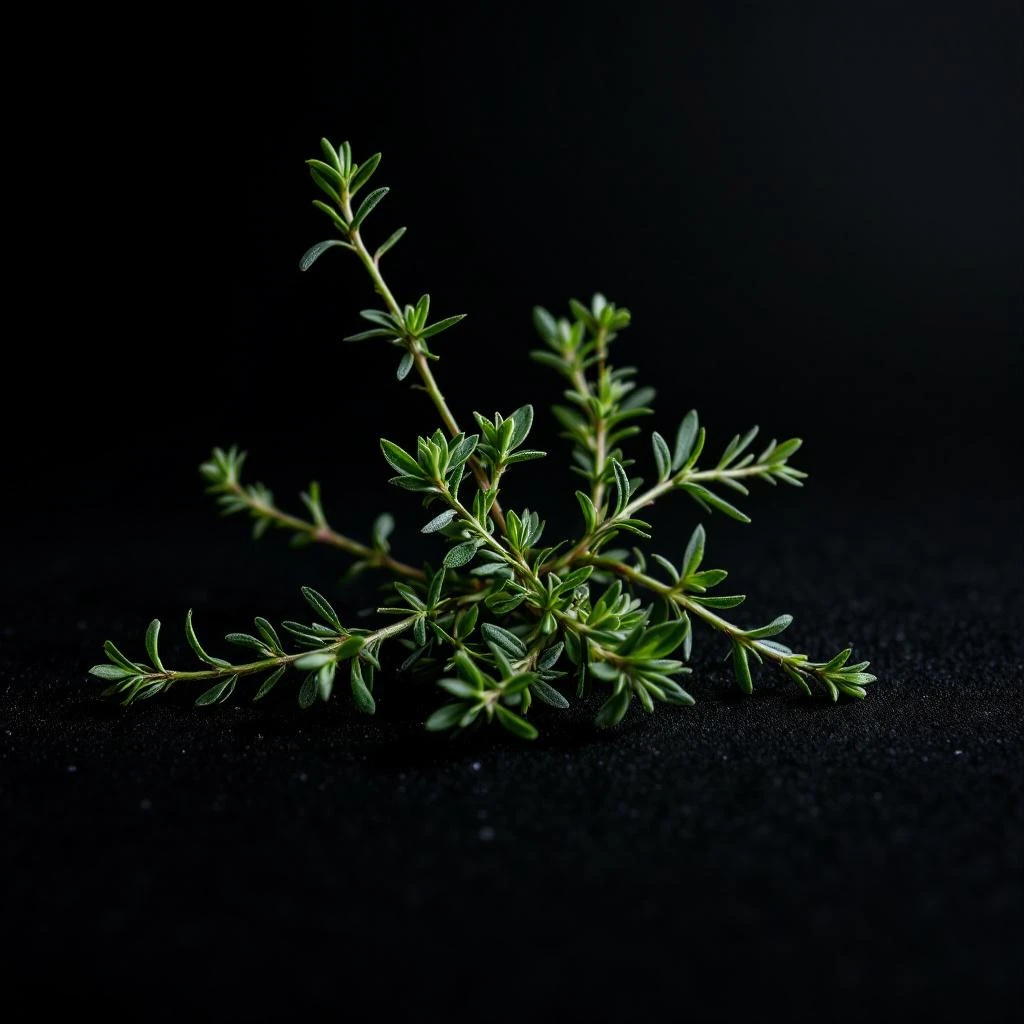
Texas Sage
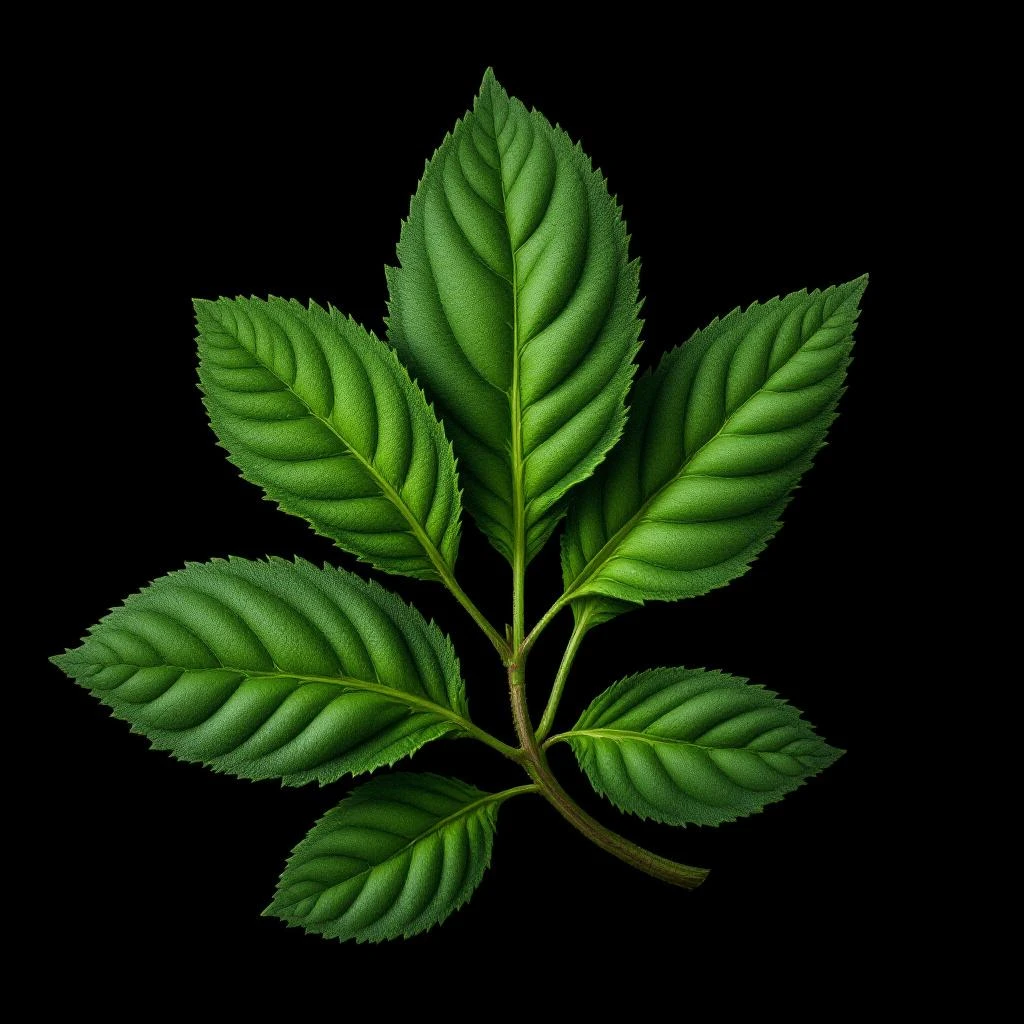
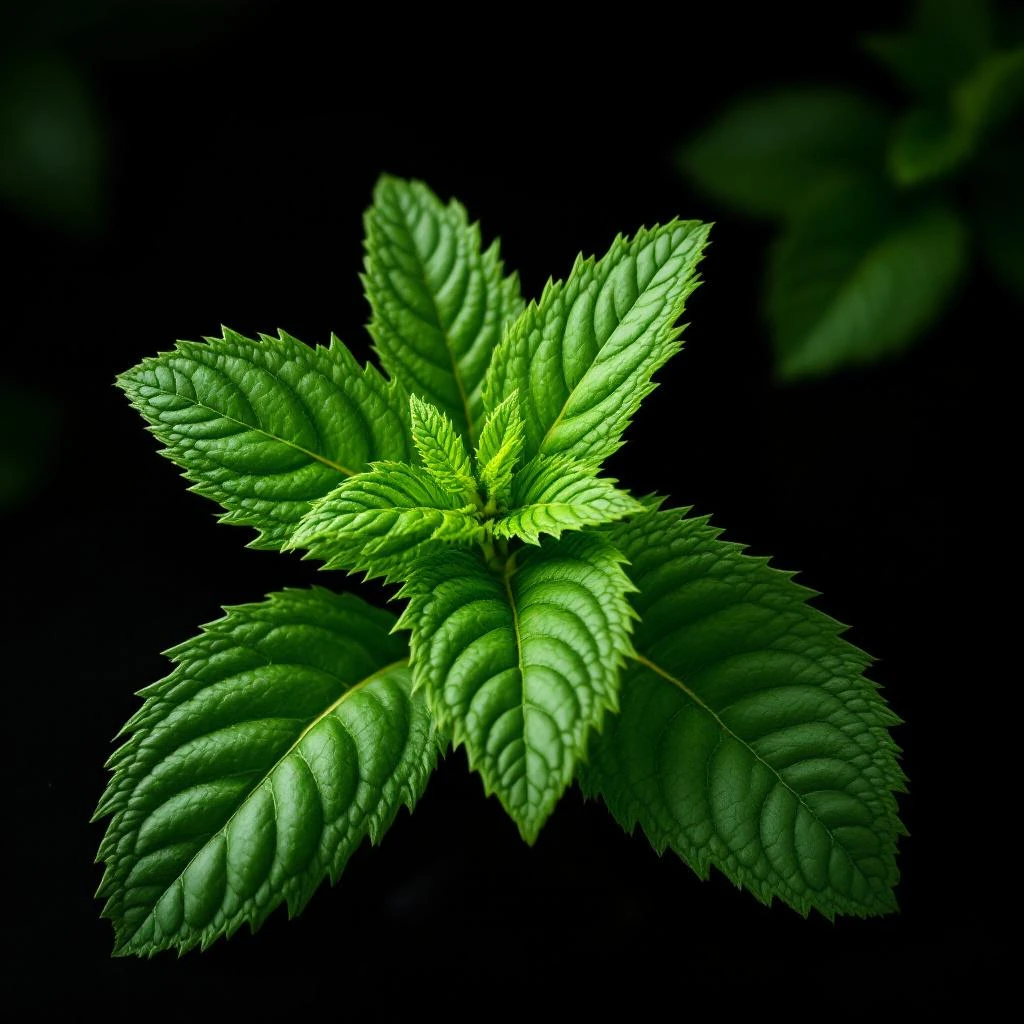
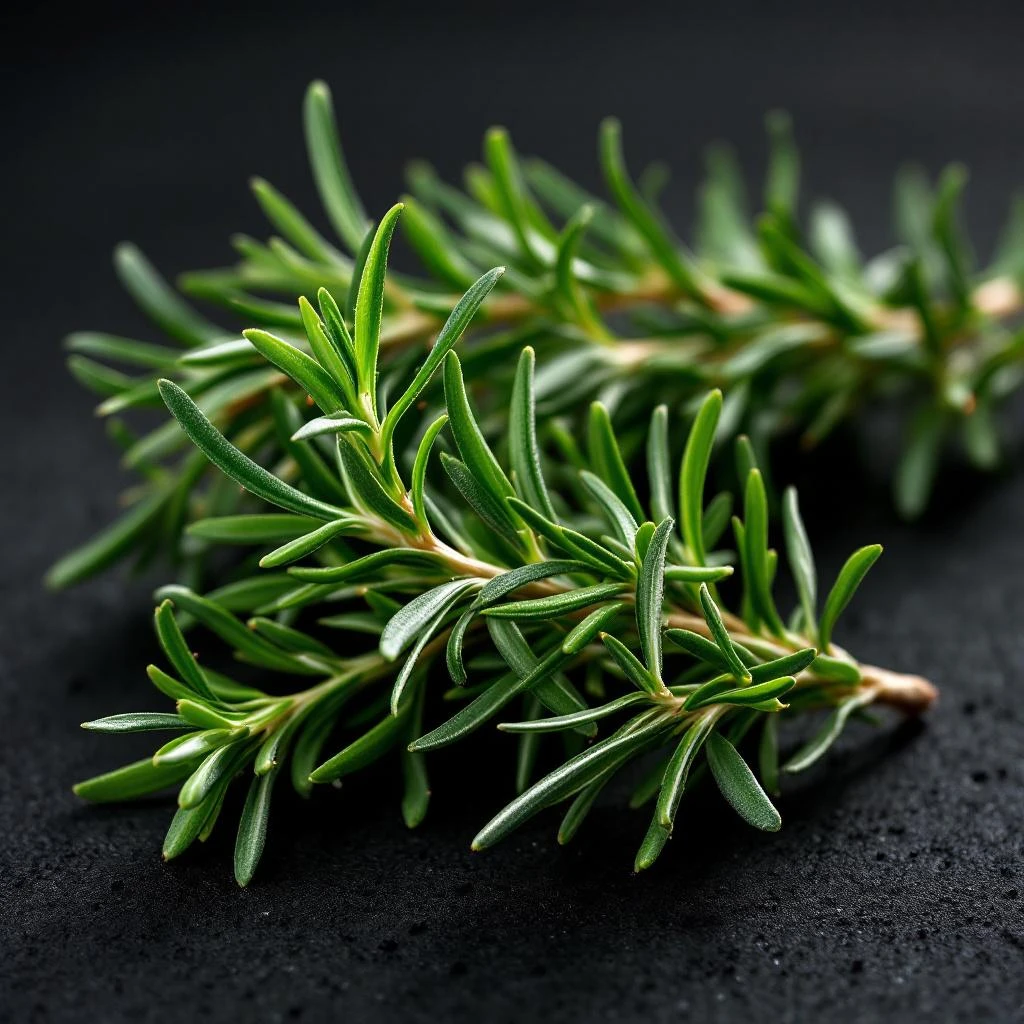
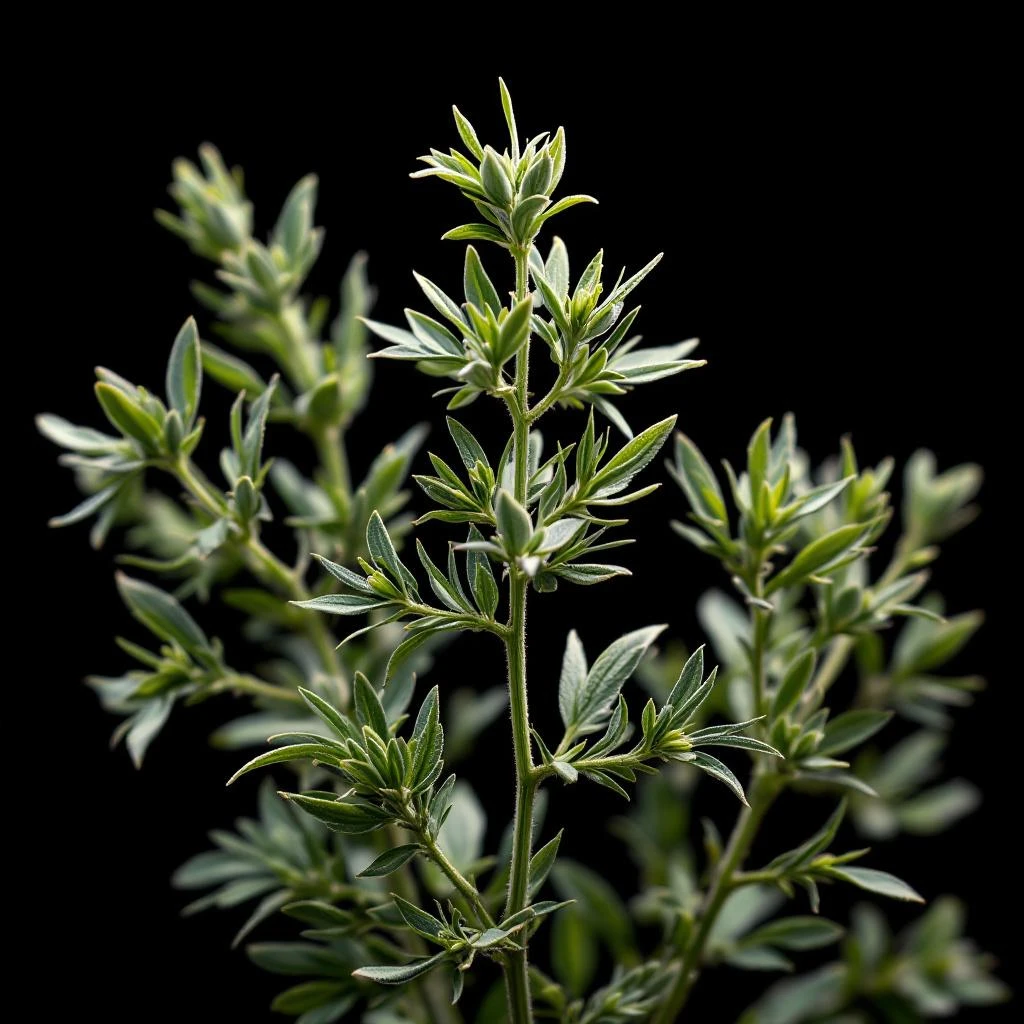
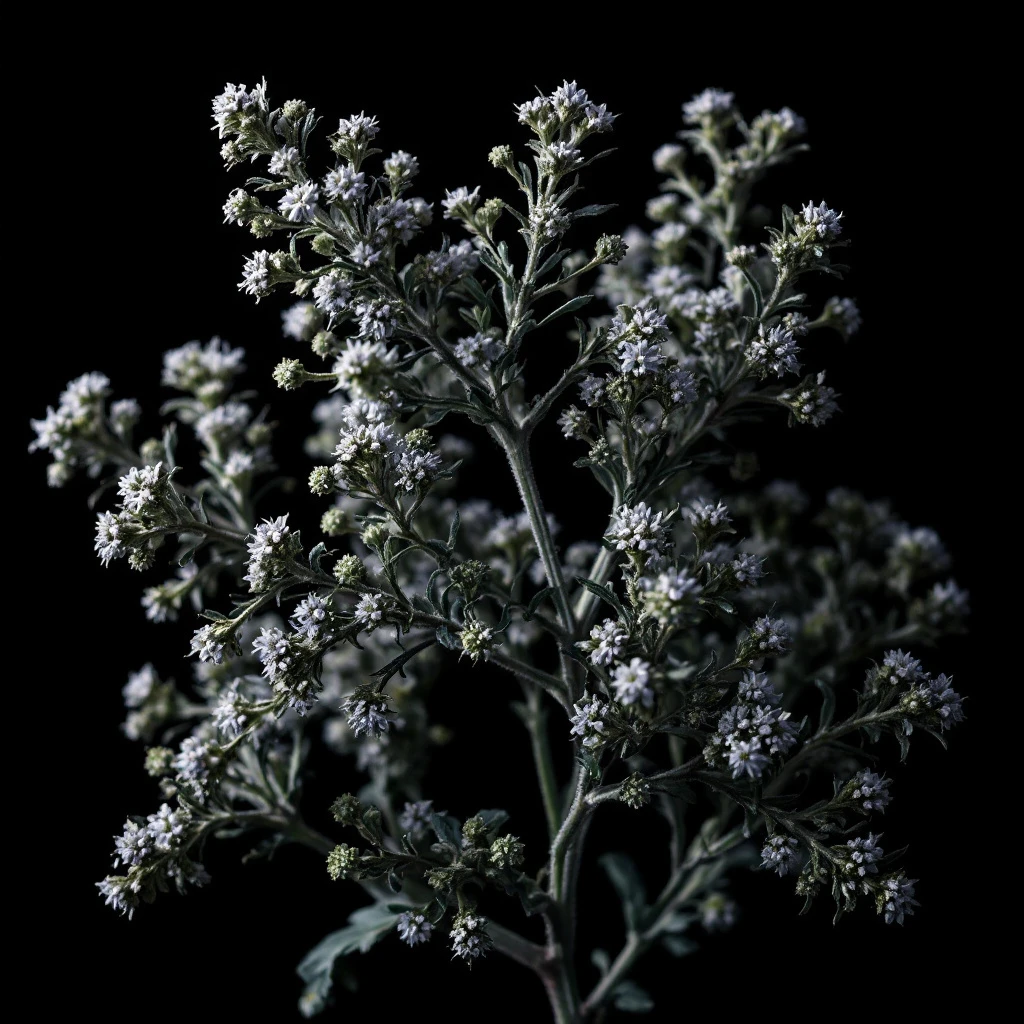
Texas sage (Leucophyllum frutescens) releases a clean, herbal-camphoraceous scent after rain sweeps across arid brushland. The foliage carries dry, resinous undertones that read as sage-adjacent, paired with subtle floral hints from its purple blooms.
Character
How it smells
Desert brush with a stormy herbal kick.
The plant only unleashes its strongest fragrance when rainfall triggers its blooming cycle, earning it the nickname barometer bush.





Origin
United States
Texas sage, sometimes called cenizo or barometer bush, belongs to the Scrophulariaceae family and thrives across northern Mexico and the southwestern United States. Indigenous communities of the region used the plant in folk remedies for coughs and fevers, steeping leaves into teas long before perfumers noticed its aromatic potential. The shrub entered ornamental horticulture in the late 19th century, prized for silver foliage and drought tolerance.
Its use as a fragrance ingredient developed slowly because essential oil yields are notoriously low, averaging fractions of a percent from fresh material. Modern interest grew alongside the aromatherapy and natural-perfumery movements of the 1990s, when perfumers sought regional character notes beyond traditional Mediterranean herbs. Today it appears sparingly in artisanal compositions, often supporting sage, rosemary, or lavender accords with a distinctly North American twist.
Its meteorological reputation, blooming in response to humidity shifts, has made it a cultural marker across the American Southwest.
Wears it best
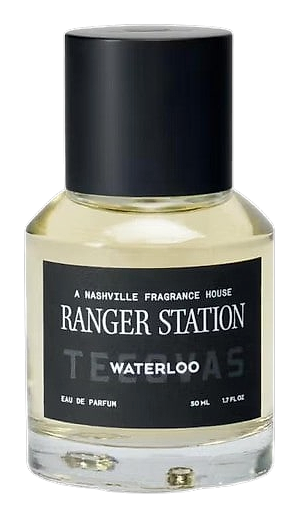
Fragrances featuring Texas Sage
Brands
Brands known for Texas Sage
Good to know
Questions, answered
The essentials on Texas Sage in perfumery: how it smells, where it comes from, and how it behaves on skin.
What does Texas sage smell like in perfume?
Texas sage smells herbaceous and slightly camphoraceous, with green leafy notes and a subtle sweet floral undertone from its purple blooms. It reads drier and more resinous than Mediterranean common sage. The overall character evokes desert brush after rainfall.
Is Texas sage the same as regular sage?
No. Texas sage (Leucophyllum frutescens) is a different species from culinary sage (Salvia officinalis). It belongs to the Scrophulariaceae family rather than the Lamiaceae mint family. Aromatically it shares herbal facets but carries a sharper, more metallic edge.
How is Texas sage processed for fragrance?
Texas sage is processed through solvent extraction because steam distillation yields minimal oil. Cut branches are washed with hexane or ethanol to produce a concrete, which is then concentrated into an absolute. This method captures the resinous and floral facets that distillation would miss.
Where does Texas sage grow?
Texas sage grows natively across the Chihuahuan Desert, spanning northern Mexico, Texas, and New Mexico. It tolerates calcareous soils, extreme heat, and drought conditions. The shrub blooms most heavily after summer monsoon rains trigger its flowering cycle.
Why is Texas sage called barometer bush?
Texas sage earned the nickname barometer bush because it blooms in response to rising humidity and approaching storms. Gardeners in the Southwest watch the plant as a natural weather predictor. Its aromatic output also intensifies when rainfall activates volatile compounds in the foliage.
Is Texas sage rare in commercial perfumery?
Texas sage remains uncommon in commercial perfumery due to low oil yields and limited cultivation for aromatic purposes. Most appearances occur in artisanal or regional fragrances. Some formulators use reconstructed accords featuring cineole and linalool to approximate its profile.
What fragrance families feature Texas sage?
Texas sage appears most often in aromatic and fougère compositions where its clean herbal character supports lavender, rosemary, and mossy bases. It occasionally appears in unisex green florals. Its dry, slightly metallic edge makes it a useful modifier for Mediterranean-style herb accords.
Does Texas sage have any traditional uses?
Yes. Indigenous communities in the American Southwest and northern Mexico used Texas sage leaves in folk remedies, including teas for respiratory discomfort. The plant also served as a landscaping staple across arid regions long before perfumers recognized its aromatic value.