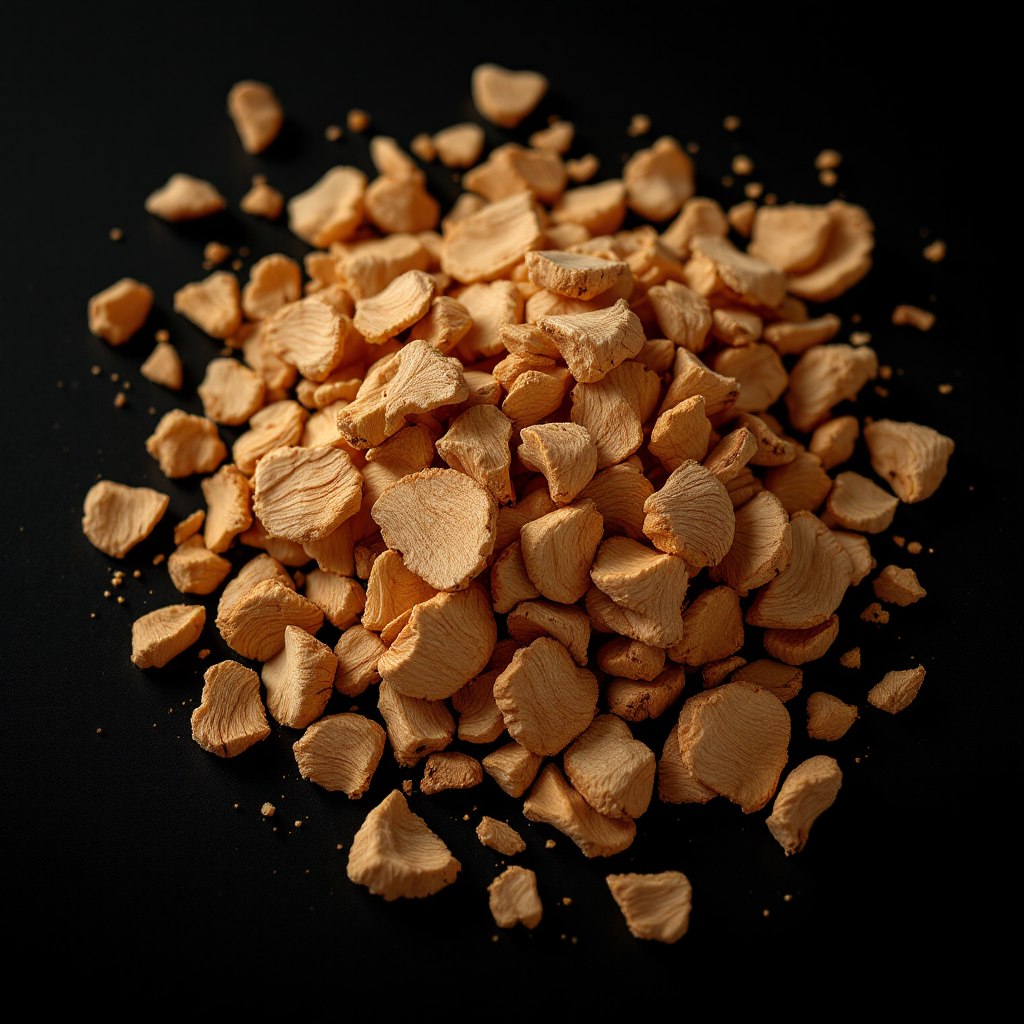
Swiss Stone Pine
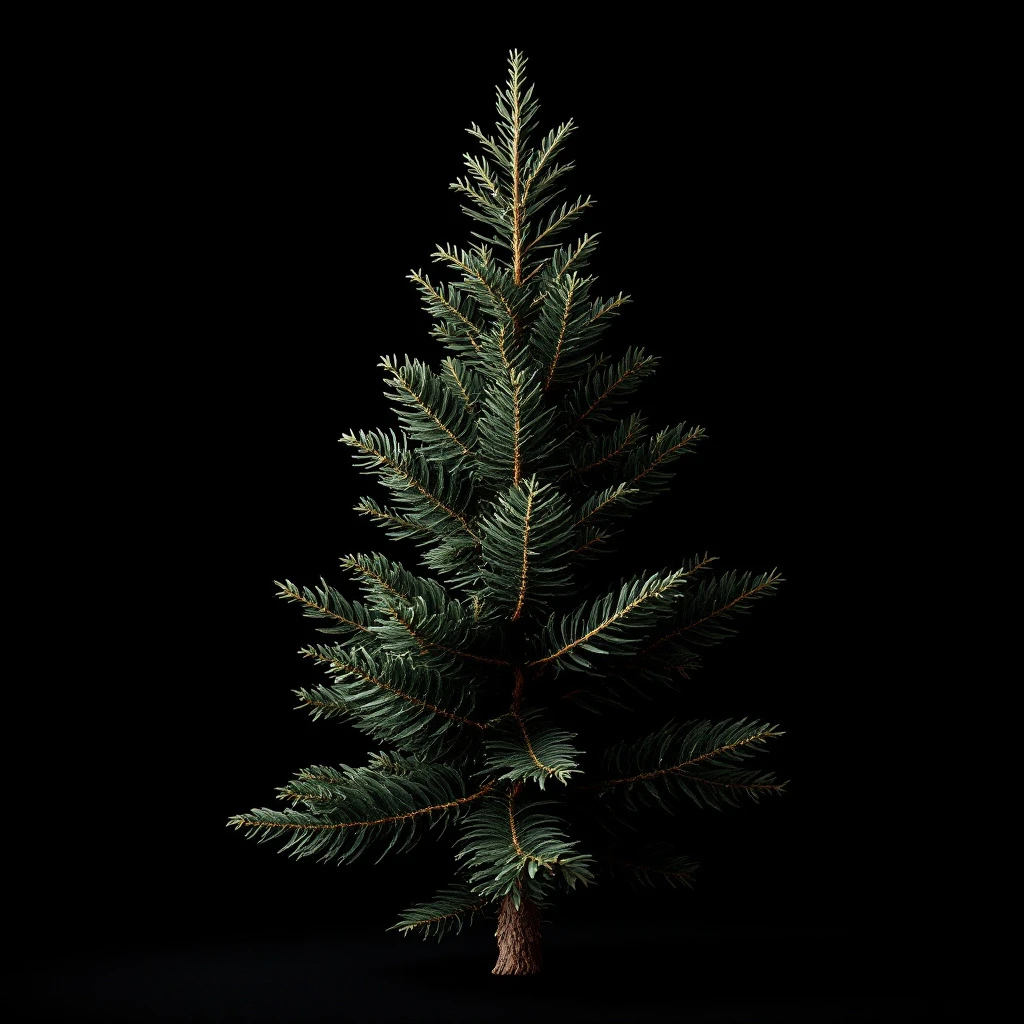
Swiss Stone Pine (Pinus cembra) grows in the high Alps where thin air and extreme cold concentrate aromatic compounds into something extraordinary. The oil carries fresh, resinous clarity with subtle bitter undertones and a refined sweetness that sets it apart from common pine varieties.
Character
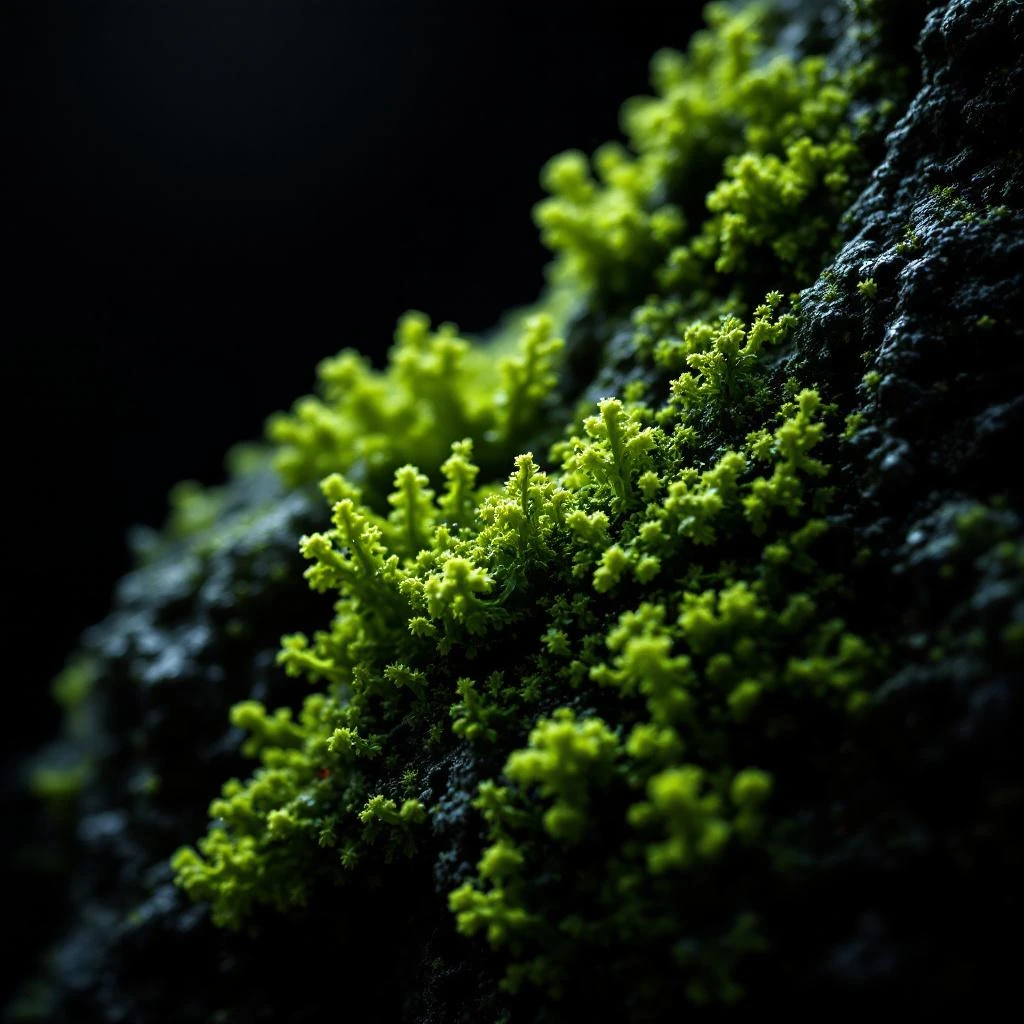
How it smells
Alpine elevation distilled into every drop.
Mature Swiss stone pines can live beyond 500 years, developing increasingly complex aromatic profiles as they age.


Origin
Switzerland
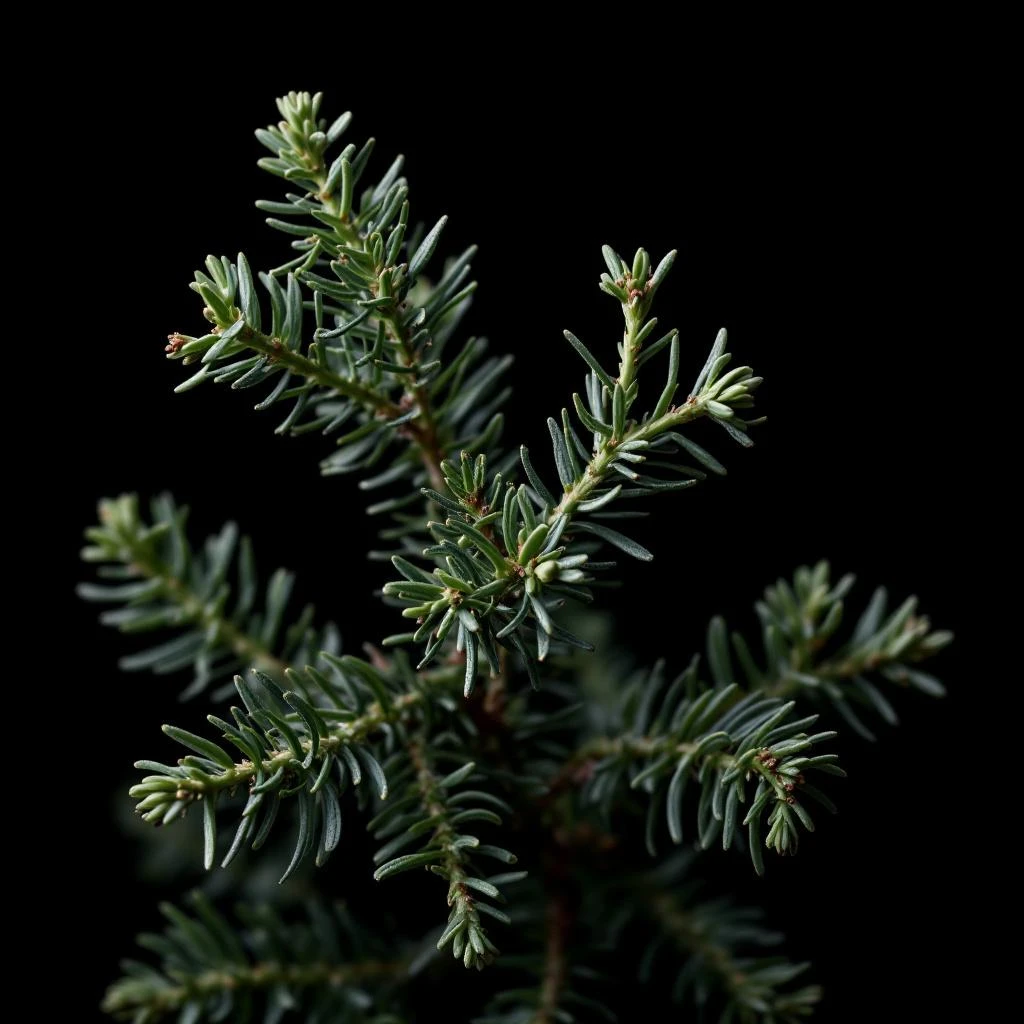
Swiss stone pine has shaped Alpine culture for centuries. Indigenous mountain communities recognized the tree's significance, using its needles and resin in traditional remedies and spiritual practices. The species thrives where few trees survive, growing slowly in thin soil and bitter cold, developing dense, aromatic wood that became a symbol of mountain resilience.
Ancient Alpine peoples burned pine needles in ceremonial spaces, valuing the clean, clarifying scent. Later, as perfumery developed in European centers, nose professionals sought out Alpine botanical materials for their intensity and authenticity. Swiss stone pine oil found its place in masculine fragrance bases and fresh colognes, valued for the quiet authority it lent compositions.
Today, sustainable harvesting practices protect these slow-growing forests while ensuring continued access to this exceptional ingredient.
Wears it best
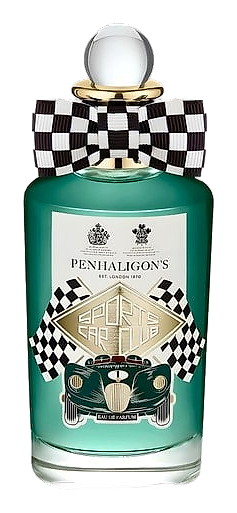
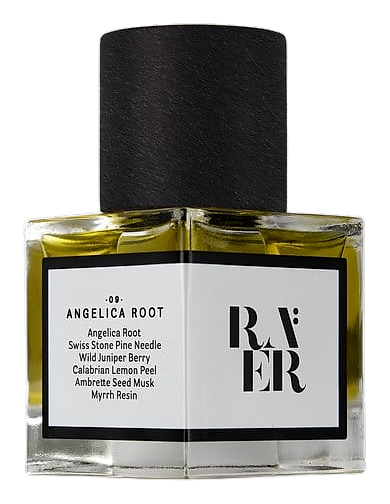
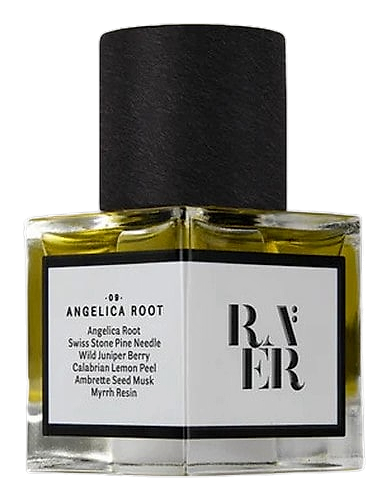
Fragrances featuring Swiss Stone Pine
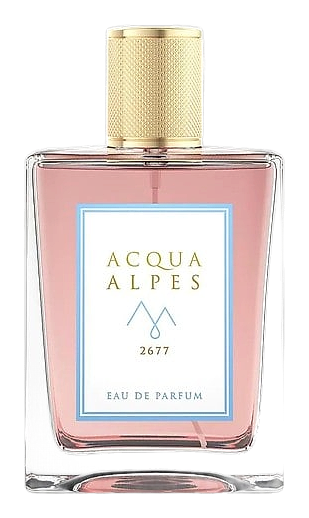
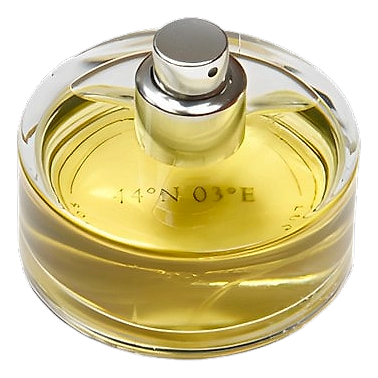
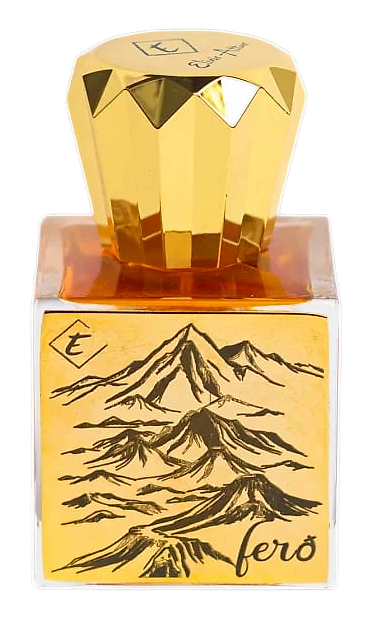
Brands
Brands known for Swiss Stone Pine
Good to know
Questions, answered
The essentials on Swiss Stone Pine in perfumery: how it smells, where it comes from, and how it behaves on skin.
What does Swiss stone pine oil smell like?
Swiss stone pine oil has a fresh, resinous scent with subtle bitter undertones. Unlike common pine oils, it carries delicate citrus and sweet notes that add refinement rather than sharpness. The overall impression evokes clean mountain air with a warm, woody base.
How does Swiss stone pine differ from other pine oils?
Swiss stone pine grows at extreme alpine elevations where environmental stress concentrates unique aromatic compounds. Its oil contains specific monoterpene ratios that create subtle citrus and sweet notes absent in common varieties like Scots pine. Perfumers value it for its refined complexity.
What fragrance families use Swiss stone pine?
Swiss stone pine appears primarily in masculine, fresh, and woody fragrance compositions. It works exceptionally well in colognes, forest-themed scents, and aromatic fougeres. The oil adds a clean, authoritative quality to masculine base notes.
Where does Swiss stone pine grow?
Pinus cembra grows in the European Alps and Carpathians at elevations between 1,500 and 2,500 meters. Switzerland, Austria, and northern Italy produce the highest quality botanical material. The extreme growing conditions contribute to the oil's distinctive aromatic profile.
How long does Swiss stone pine oil last on skin?
Swiss stone pine oil provides moderate scent retention of 6-8 hours on skin. Application technique affects longevity significantly. Blending with fixatives extends the note when used in fragrance formulations.
What compounds make Swiss stone pine oil unique?
The oil contains over 40 identified compounds, with alpha-pinene as the primary component comprising 40-60%. The specific ratio of monoterpenes, including beta-pinene and limonene, creates its distinctive fresh-resinous character with subtle citrus undertones.
Is Swiss stone pine oil sustainably harvested?
Responsible producers use selective harvesting methods that protect Alpine ecosystems. Harvesters collect needles from specific branches, allowing trees to regenerate naturally. This approach preserves both the botanical source and the delicate high-altitude environment.
Can Swiss stone pine oil be applied directly to skin?
Swiss stone pine oil requires dilution before topical application. Mix 1-2% with a carrier oil or fragrance base. The oil's intensity means 2-4 drops suffice for fragrance purposes. Always perform a patch test for skin sensitivity.