The Story
Why it exists.
The beginning
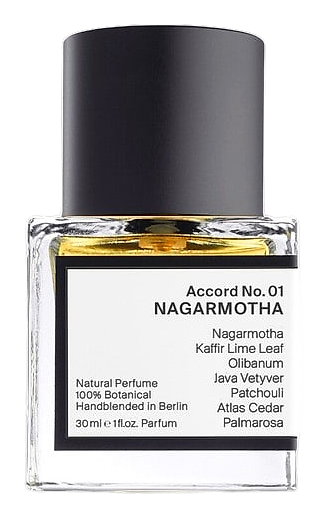
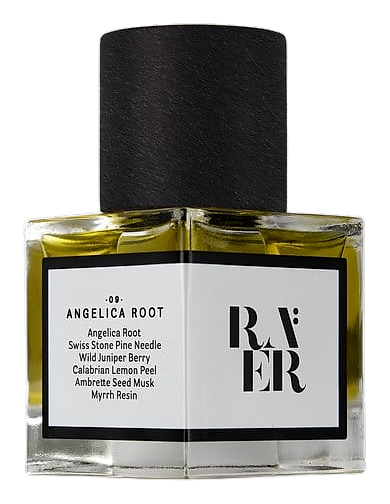
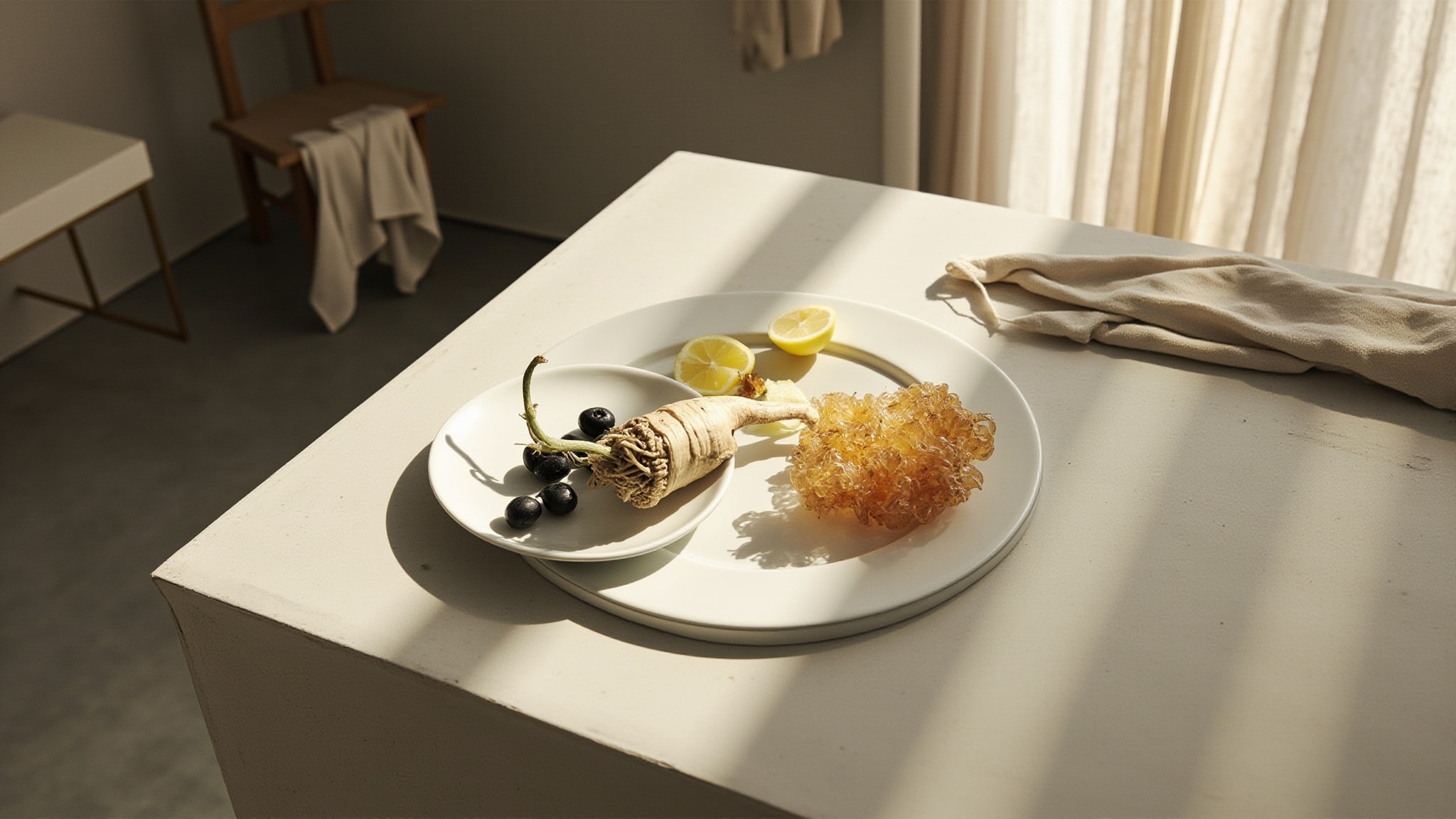
Stefan Kehl built Accord No. 09 around a single ingredient that almost didn't exist. Belgian angelica root had sat unharvested for two years during the pandemic. When it finally came back into supply, it arrived carrying the weight of that absence. The perfumer didn't want to soften it or bury it under sugar. He let the root speak. The result is a fragrance that refuses to perform. It opens bright and bracing, then walks deliberately toward something deeper. No apologies for the bitterness. No attempt to make it palatable. Just the thing itself, held at arm's length long enough for you to really look at it.
Angelica root sits in that uncomfortable middle ground between food and medicine. It tastes like celery crossed with something vaguely alcoholic. It smells like damp earth and the inside of a gin distillery. Using it as a centerpiece requires conviction. Most perfumers tuck it into a supporting role, let it whisper. Kehl let it shout. The juniper and lemon open like a cocktail garnish, crisp and immediately recognizable. Then the angelica walks in and the conversation changes. It's not polite. It's not trying to charm you. It's just telling you how it is, and if that's not what you came for, the door is right there.
The evolution
The first thirty minutes hit like a bartender's hand, quick and certain. Juniper berry and Calabrian lemon peel combine into something you recognize before you can name it. Gin-and-tonic without the glass. The angelica root arrives not as a whisper but as a statement, its bitter green character pulling the brightness toward something earthier, more complex. By hour two, the Swiss stone pine introduces a quiet resinous quality that tempers the initial sharpness without erasing it. The drydown settles into oakmoss and myrrh, a close-warm base that stays near the skin through hour six or seven. What lingers isn't the cocktail opening. It's the root. The quiet forest floor. The part that didn't apologize.
Cultural impact
Accord No. 09 landed in 2022 as a quiet argument against synthetic perfumery. Berlin's experimental spirit runs through every bottle. The fragrance appeals to a specific wearer: someone who wants to smell like a forest, not a laboratory. Natural compositions with this level of botanical honesty are rare in any price bracket. This one asks nothing of you except your attention.