The Story
Why it exists.
The beginning
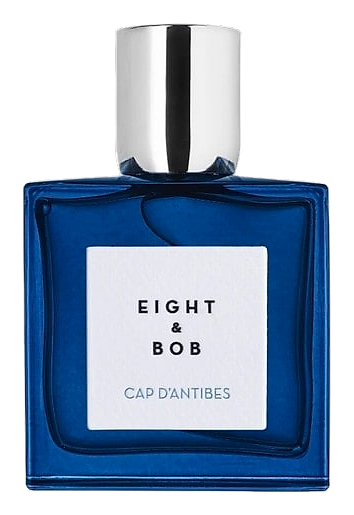
Cap d'Antibes takes its name from that peninsula on the French Riviera where the Mediterranean deepens into something private. Albert Fouquet spent summers there in the 1930s, among the European aristocracy who gathered where Antibes met the open sea. He knew the quiet anchorages, the crowded terraces at noon, the way the sun slid behind the hills by five. He carried those months home to Paris each autumn like a second skin. During long winters, he dreamed them back. The fragrance was built to summon that place on demand. Fouquet spent weeks perfecting a formula that would do what memory alone couldn't, transport him back to the particular quality of light, the unhurried evenings, the sense of being held by a landscape. The result was this. A private escape, worn for no one but himself, until now.
The structure here is deceptive. On paper, it reads like a standard fresh-woody. In the air, it's something else, a slow negotiation between cool and warm that never fully resolves. The violet leaf and mint create an ozonic, almost aquatic opening: sea spray and maritime plants. Birch adds a sharp, slightly metallic quality that evokes coastal stone. But beneath the freshness, moss and green notes form a dense aromatic heart, the forest floor, not the beach. Cinnamon brings a quiet heat that keeps the greens from feeling cold. The drydown softens everything into cedar, incense, and vanilla: smoky wood, warm cream. What makes this composition unusual is its refusal to commit.
The evolution
The opening hits crisp and immediate. Violet leaf and mint arrive together, mint leading with a clean sharpness that reads almost medicinal for thirty seconds before the violet leaf rounds it into something greener. Birch adds a mineral coolness, not aquatic exactly, but the smell of cool stone near water. The ozonic quality persists for the first twenty minutes. By the half-hour, the heart begins its takeover. Green notes and moss settle in, bringing that early-morning-in-a-forest clarity. The cinnamon arrives quietly, just a suggestion of warmth threading through the botanical heart. This is the phase that lasts longest, dense, green, unexpectedly warm. The base takes its time. Cedar announces itself around hour two, and the incense follows, turning the composition smoky and grounded. Vanilla appears last, creeping in around hour three, softening the edges of the smoke into something warmer, closer. The final drydown is intimate rather than projecting, that warm cedar-vanilla remains on skin for hours, and on fabric, even longer.
Cultural impact
Cap d'Antibes occupies a quiet corner of the niche world. It doesn't compete for attention or status, it simply exists, confident in its own restraint. The kind of fragrance that shows up in conversations about under-the-radar discoveries, the ones people mention when they want to seem like they know. Its French Riviera inspiration places it firmly in a tradition of Mediterranean easy elegance, though it wears that inspiration more as mood than as marketing. Wearers tend to be those who prioritize character over proclamation.