Sumatran Peppermint
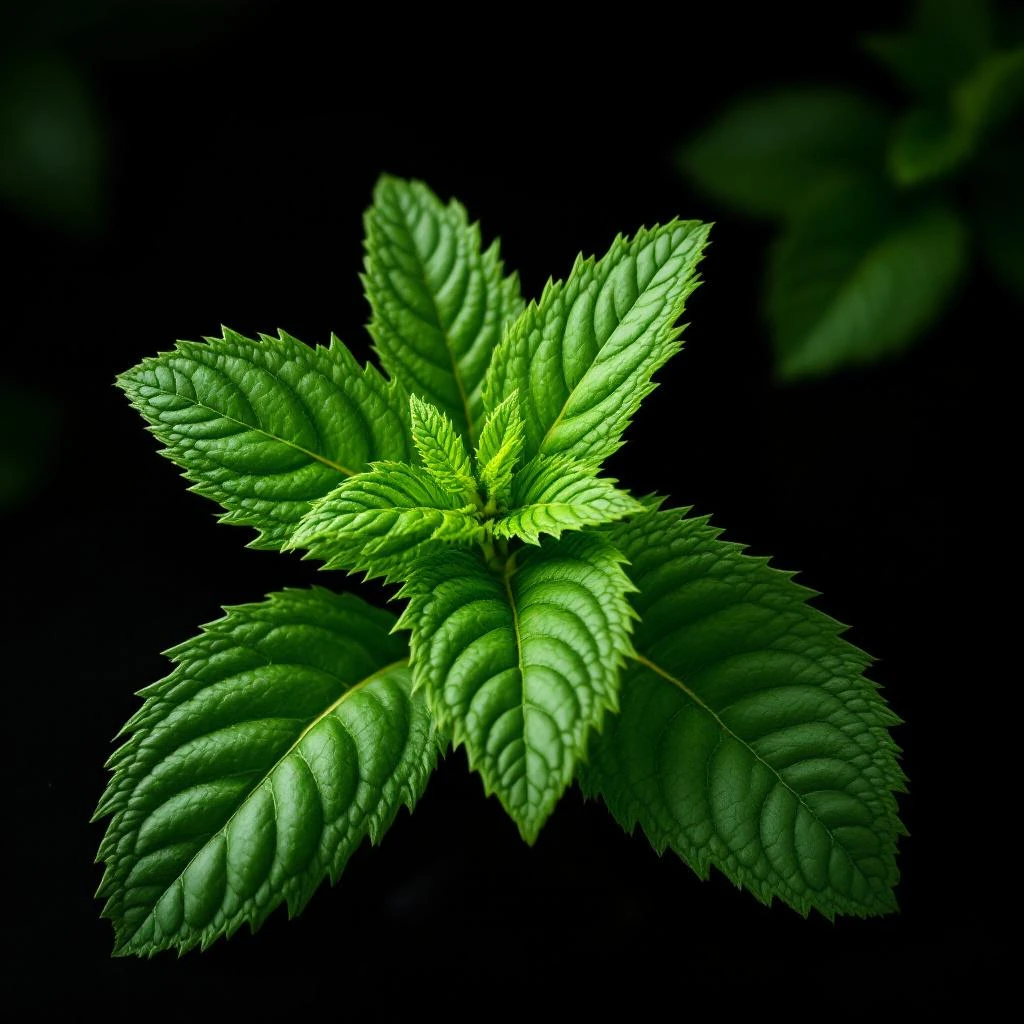
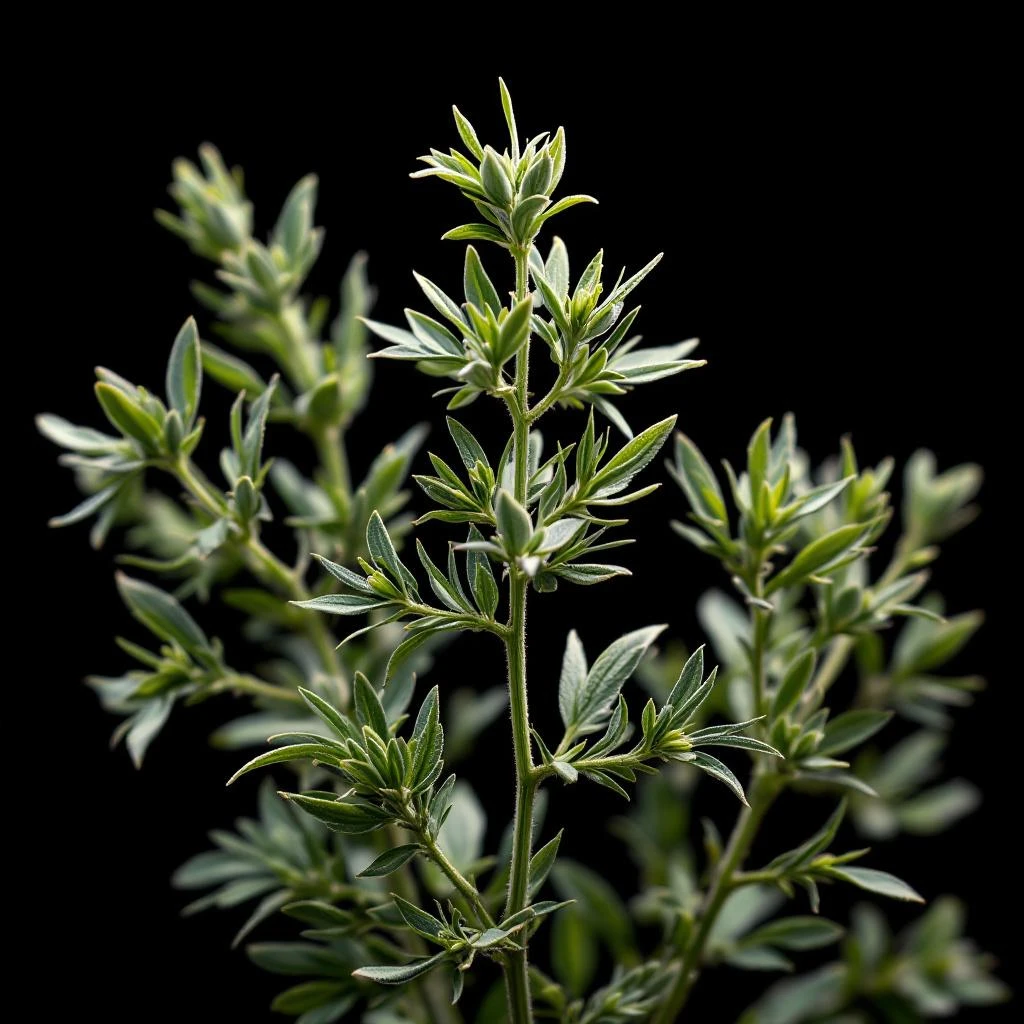
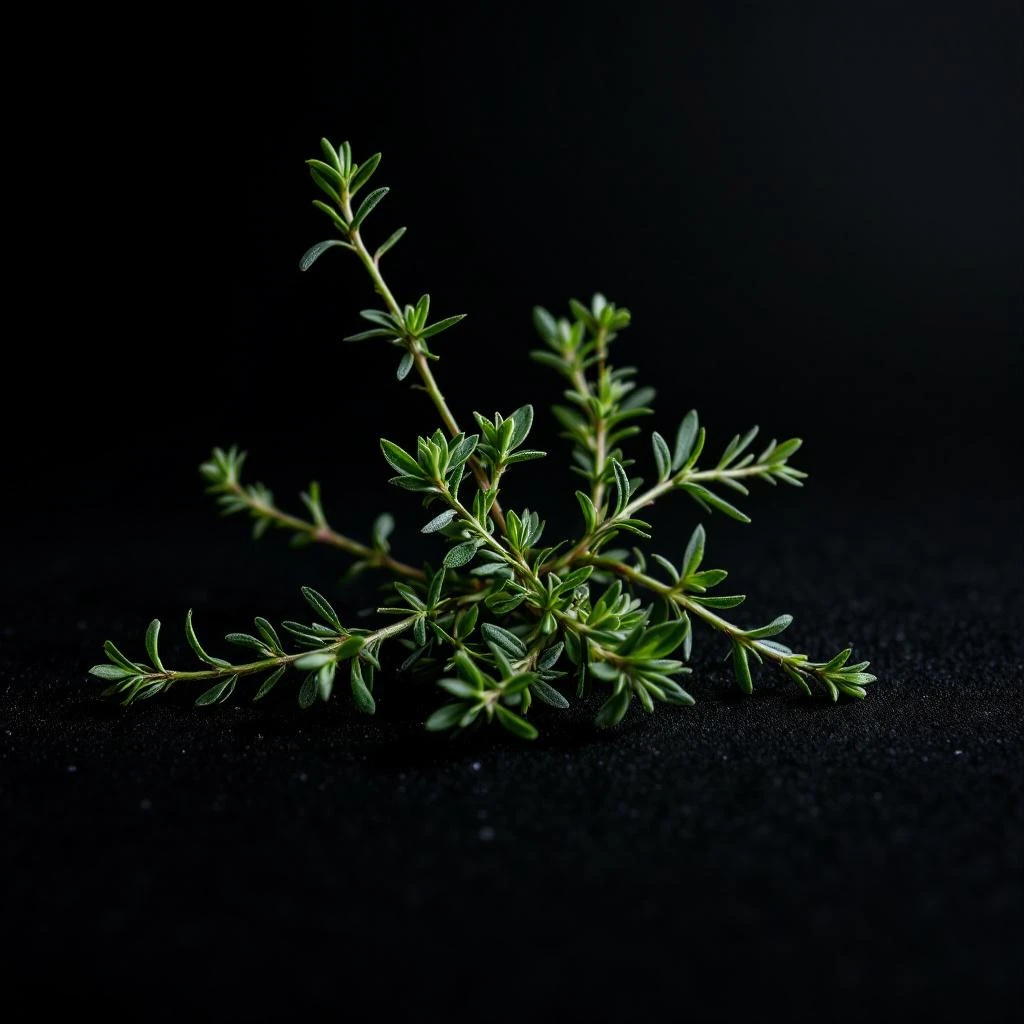
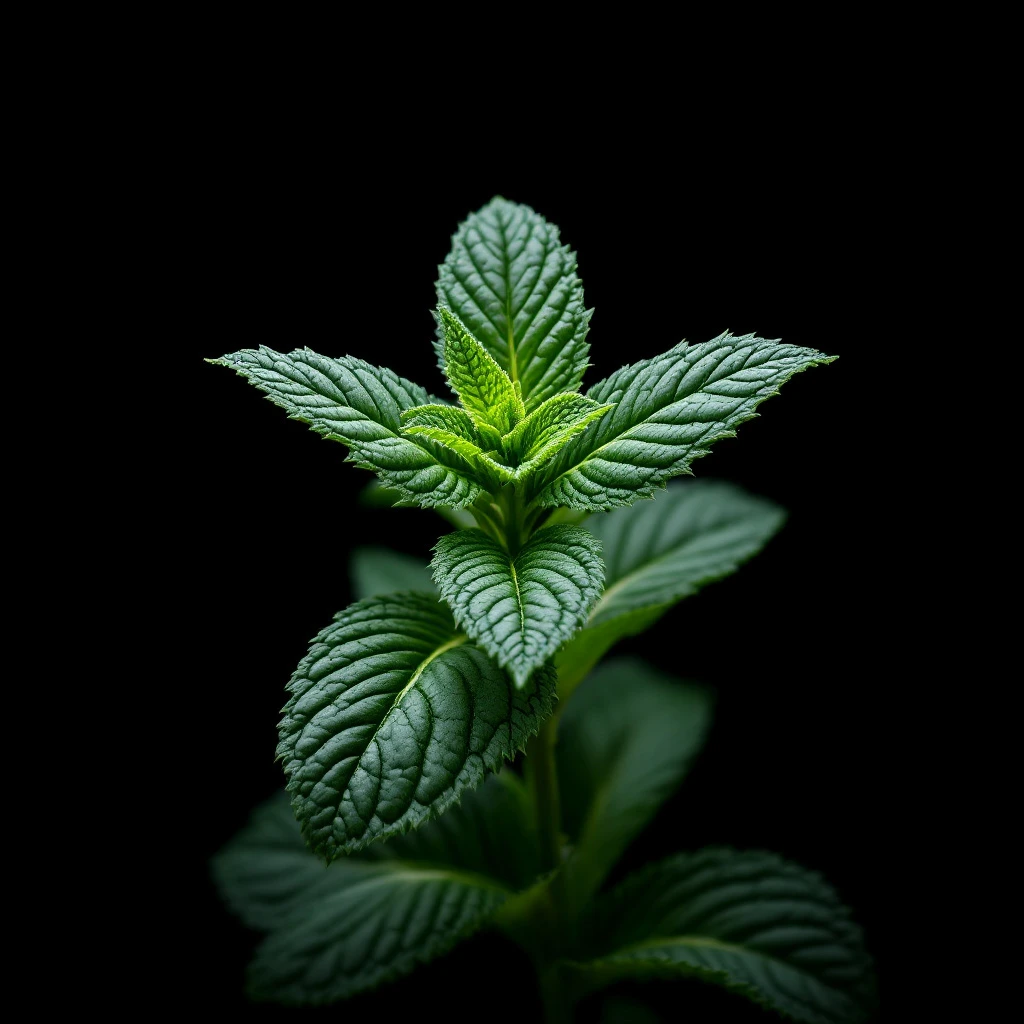
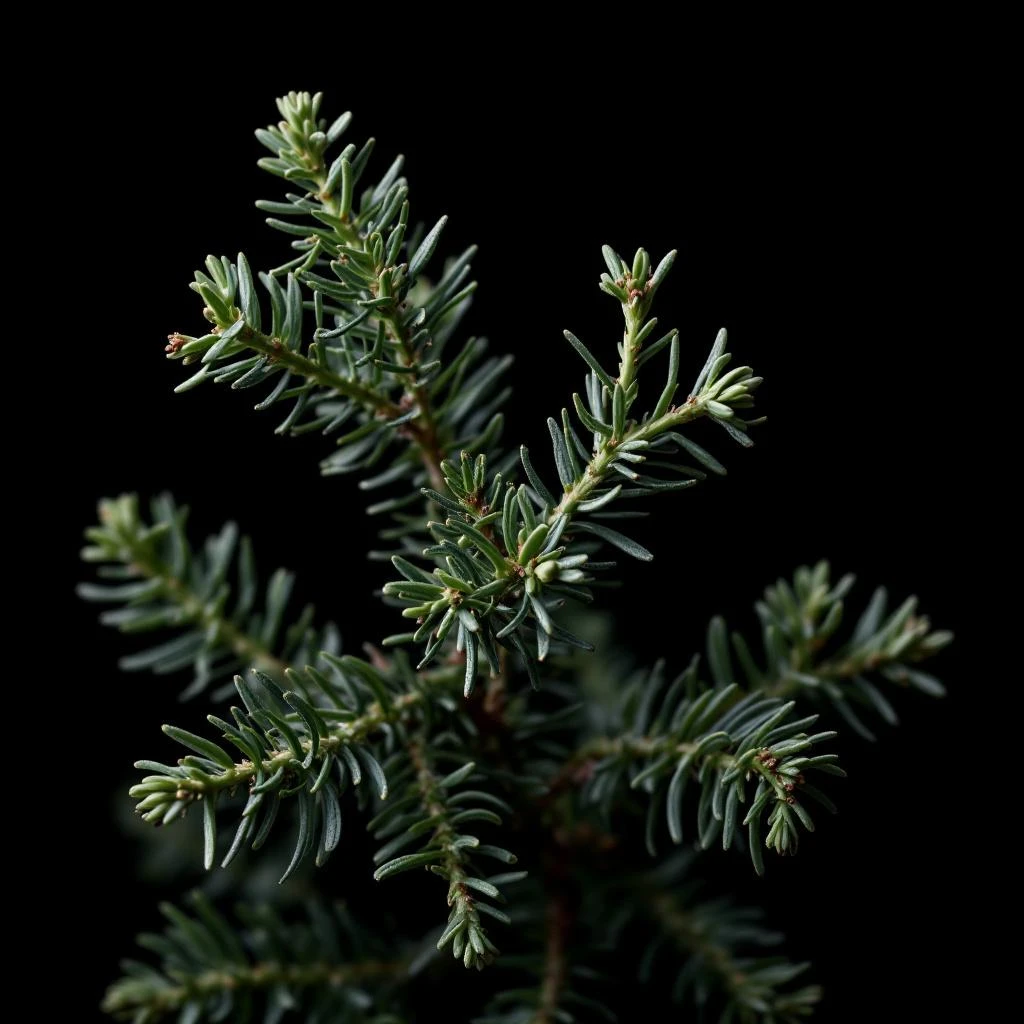
Sumatran Peppermint delivers a sharper, more herbaceous cool than its European cousin. Grown in Indonesia's volcanic highlands, this variety carries a pronounced menthol intensity with earthy green undertones.
Character
How it smells
Volcanic intensity meets icy freshness
Sumatran Peppermint contains up to 80% menthol content, significantly higher than most commercial peppermint varieties grown in temperate climates.


Origin
Indonesia
Peppermint as a hybrid species emerged in 17th-century England, where spearmint and watermint crossed naturally in cultivation plots. From northern Europe the herb spread through colonial trade routes and missionary networks into Southeast Asia by the late 1800s. Dutch botanists introduced commercial cultivation to the Dutch East Indies, and Sumatra's highland valleys proved ideal.
Batak farmers in the Karo region began small-scale plots in the early 20th century, initially drying leaves for medicinal teas sold across the Malay archipelago. By the 1950s, Indonesian producers recognized the superior menthol yield from Sumatran terroir and shifted toward essential oil production. The volcanic ash, consistent rainfall above 2000 millimeters annually, and elevations between 1100 and 1500 meters create conditions that concentrate the plant's secondary metabolites.
Indonesia now ranks among the world's significant peppermint oil exporters, with Sumatra contributing a distinctive high-menthol profile that differs from American and Chinese origins. Local distilleries in North Sumatra province process the majority of harvests using small copper stills.
Wears it best
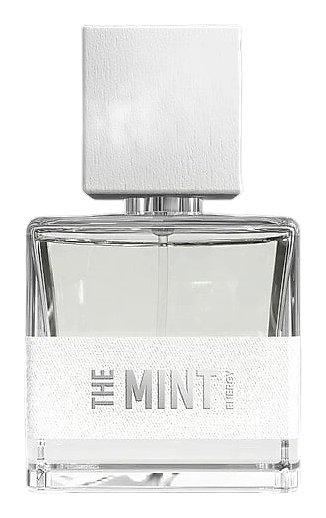
Fragrances featuring Sumatran Peppermint
Brands
Brands known for Sumatran Peppermint
Good to know
Questions, answered
The essentials on Sumatran Peppermint in perfumery: how it smells, where it comes from, and how it behaves on skin.
What makes Sumatran Peppermint different from regular peppermint?
Sumatran Peppermint grows in Indonesia's volcanic highland soils, which produces oil with menthol concentrations between 65 and 80 percent. This exceeds the typical 40 to 50 percent range found in most global peppermint varieties, giving it a sharper cooling sensation.
Is Sumatran Peppermint natural or synthetic?
Sumatran Peppermint essential oil is entirely natural, steam-distilled from Mentha piperita leaves and flowering tops harvested in North Sumatra. Synthetic menthol exists as a cheaper alternative, but genuine Sumatran oil retains trace compounds that give it a more complex aromatic profile.
Where exactly in Sumatra is it grown?
Cultivation centers on the Karo Plateau in North Sumatra province, an area between 1100 and 1500 meters elevation near Mount Sinabung. The region's mineral-rich volcanic soil and consistent equatorial humidity support concentrated oil production.
When did Sumatra start producing peppermint oil?
Commercial peppermint cultivation in Sumatra began in the early 20th century through Dutch colonial agricultural programs. By the 1950s, local farmers shifted from dried-leaf tea production toward essential oil distillation as global menthol demand grew.
How is Sumatran Peppermint oil extracted?
Producers use steam distillation: chopped leaves and stems sit on perforated screens while pressurized steam ruptures the plant's glandular oil cells. The resulting vapor condenses and separates naturally into oil and hydrosol layers.
What does Sumatran Peppermint smell like?
The aroma opens with an intense, almost medicinal menthol blast, then settles into herbaceous green mid-notes with earthy undertones. Compared to American peppermint, it reads as less sweet and more aggressively cooling on the nose.
Is peppermint oil from Indonesia sustainable?
Sumatran peppermint production generally relies on smallholder farming rather than industrial monoculture, which supports biodiversity and rural livelihoods. However, processing yields roughly 50 to 70 kilograms of oil per hectare, requiring careful land management to prevent soil depletion.
Why do perfumers choose Sumatran Peppermint?
Perfumers value the variety for its unusually high menthol concentration, which produces a more pronounced cooling effect in fragrance compositions. This makes it especially useful in fougère and aromatic cologne structures where peppermint provides lift without fading quickly.