Stoneseed
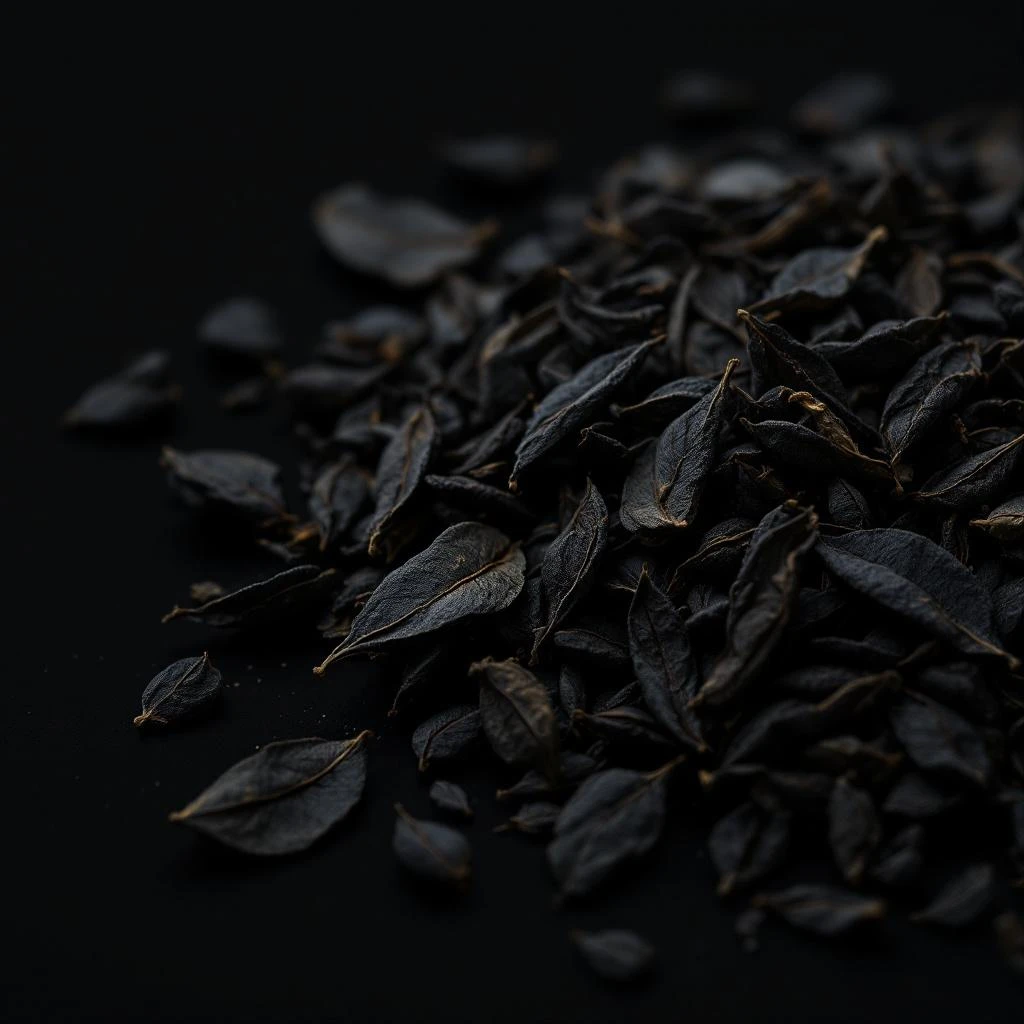
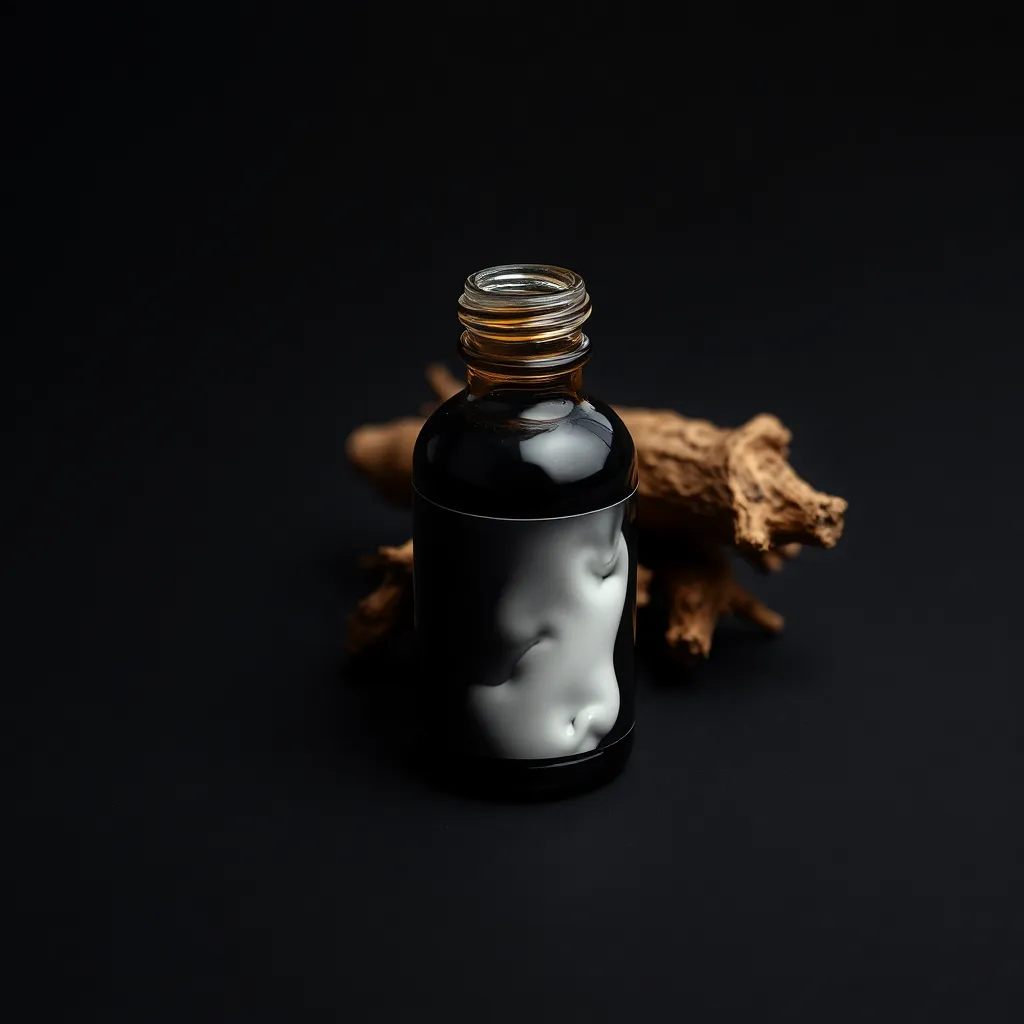
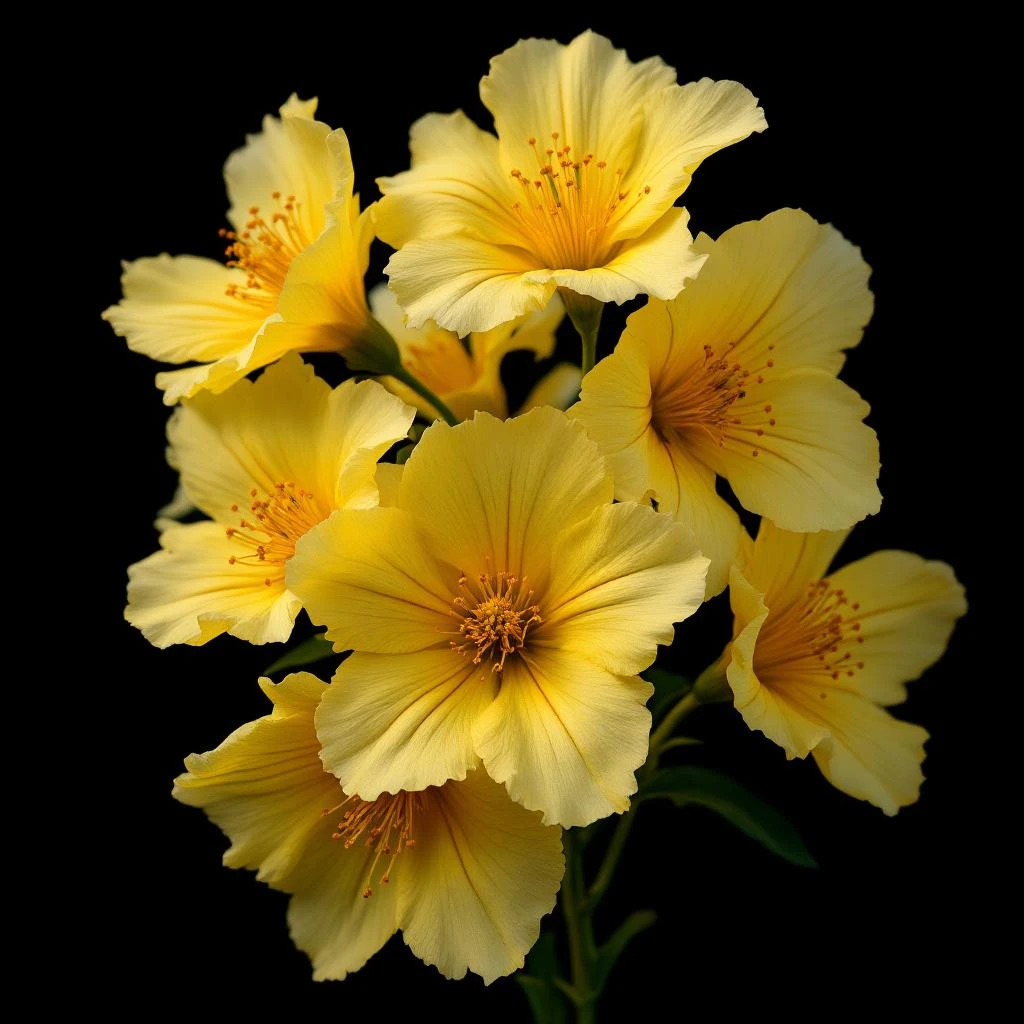
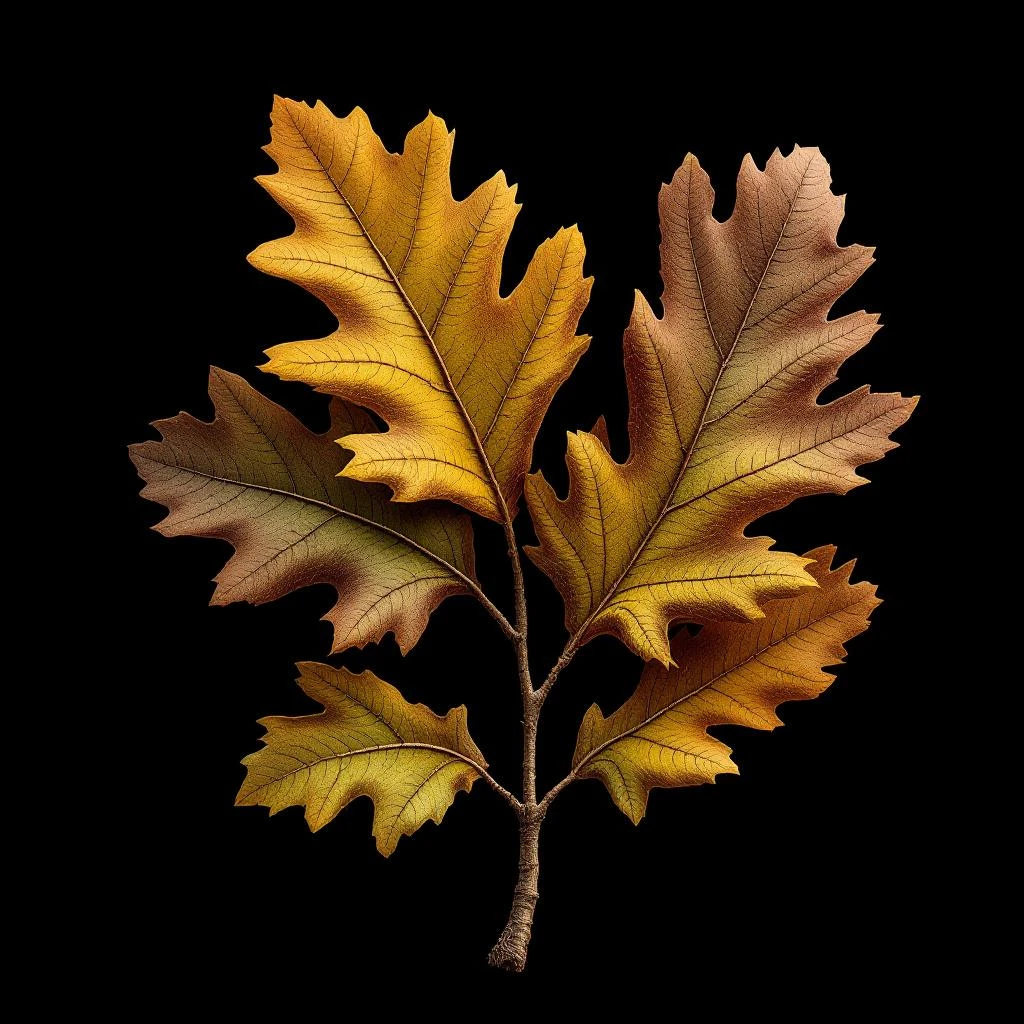
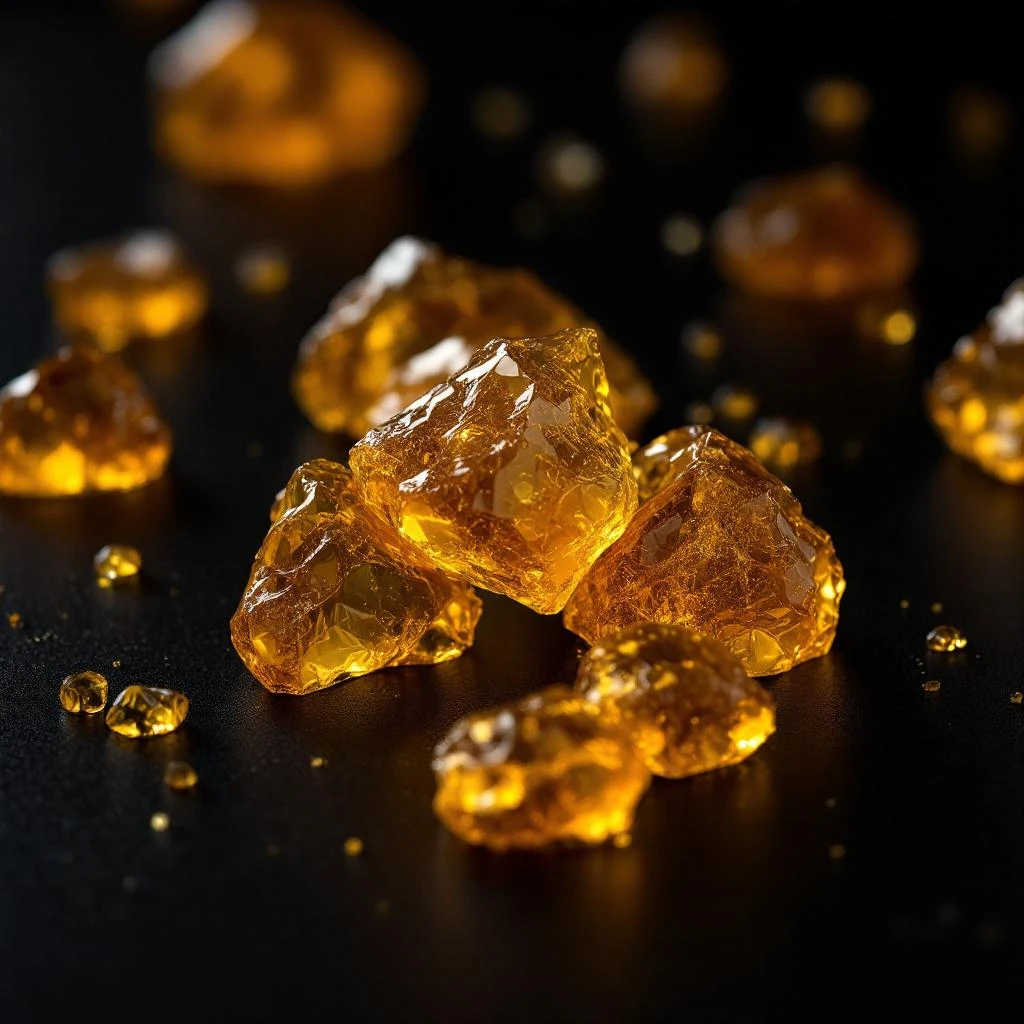
Stoneseed, sometimes called gromwell, yields a quiet, mineral-rich oil from its tiny seeds. Perfumers prize it for its subtle earthy warmth and skin-like softness, grounding brighter florals and sharper citruses with understated depth.
Character
How it smells
Quiet earth. Hidden depth.
Lithospermum species have been used in traditional Chinese medicine for over two thousand years, long before their seeds caught the attention of modern perfumers seeking naturalistic bases.


Origin
China
Stoneseed derives from plants of the Boraginaceae family, a lineage documented in European and Asian herbal traditions since antiquity. The Greek physician Dioscorides referenced gromwell in De Materia Medica around 65 CE, noting its use in folk remedies. In traditional Chinese medicine, Lithospermum (zi cao) has roots stretching back over two millennia, valued for cooling properties rather than scent.
The plant's transition into perfumery is comparatively recent. As the modern fragrance industry shifted toward naturals and skin-mimicking bases in the late twentieth and early twenty-first centuries, formulators began experimenting with underused seed oils. Stoneseed emerged as a niche ingredient in artisan and indie perfumery, appreciated for its quiet, non-competitive character.
Its history reflects a broader turn toward botanical subtlety over showy declarations in contemporary scent design.
Wears it best
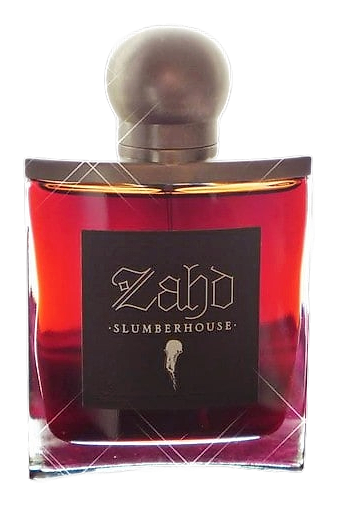
Fragrances featuring Stoneseed
Brands
Brands known for Stoneseed
Good to know
Questions, answered
The essentials on Stoneseed in perfumery: how it smells, where it comes from, and how it behaves on skin.
What does stoneseed smell like in perfume?
Stoneseed contributes a soft, earthy, slightly nutty character with mineral undertones. It rarely dominates a composition, instead acting as a skin-like base that adds warmth and quiet depth beneath brighter notes.
Is stoneseed a natural or synthetic fragrance ingredient?
Stoneseed oil is a natural ingredient, cold-pressed from the seeds of Lithospermum plants. Synthetic reproductions exist but remain uncommon in commercial perfumery as of 2026.
Why do perfumers use stoneseed oil?
Perfumers choose stoneseed for its skin-mimicking quality and ability to soften compositions without adding obvious scent. It pairs well with florals, musks, and green notes seeking a grounded finish.
Where does stoneseed come from?
Stoneseed plants grow across temperate regions of Europe and Asia, with significant traditional sourcing rooted in China, where Lithospermum has been documented for over two thousand years.
How is stoneseed oil extracted?
Producers clean and dry the tiny seeds, then apply mechanical cold pressing without heat. This method preserves the oil's delicate fatty acids and subtle aromatic profile.
Is stoneseed safe for sensitive skin?
Stoneseed oil contains gamma-linolenic acid and is generally considered gentle. As with any carrier ingredient, patch testing before widespread topical use remains advisable.
Which perfumes feature stoneseed?
Stoneseed appears in select indie and artisan fragrances emphasizing naturalistic bases, though it is too uncommon to dominate mainstream designer launches as of 2026.
Can stoneseed replace jojoba or fractionated coconut oil?
Stoneseed shares jojoba's lightweight feel but offers a more pronounced mineral nuance. It works as a complementary carrier rather than a direct substitute in most formulas.