Wine Ether
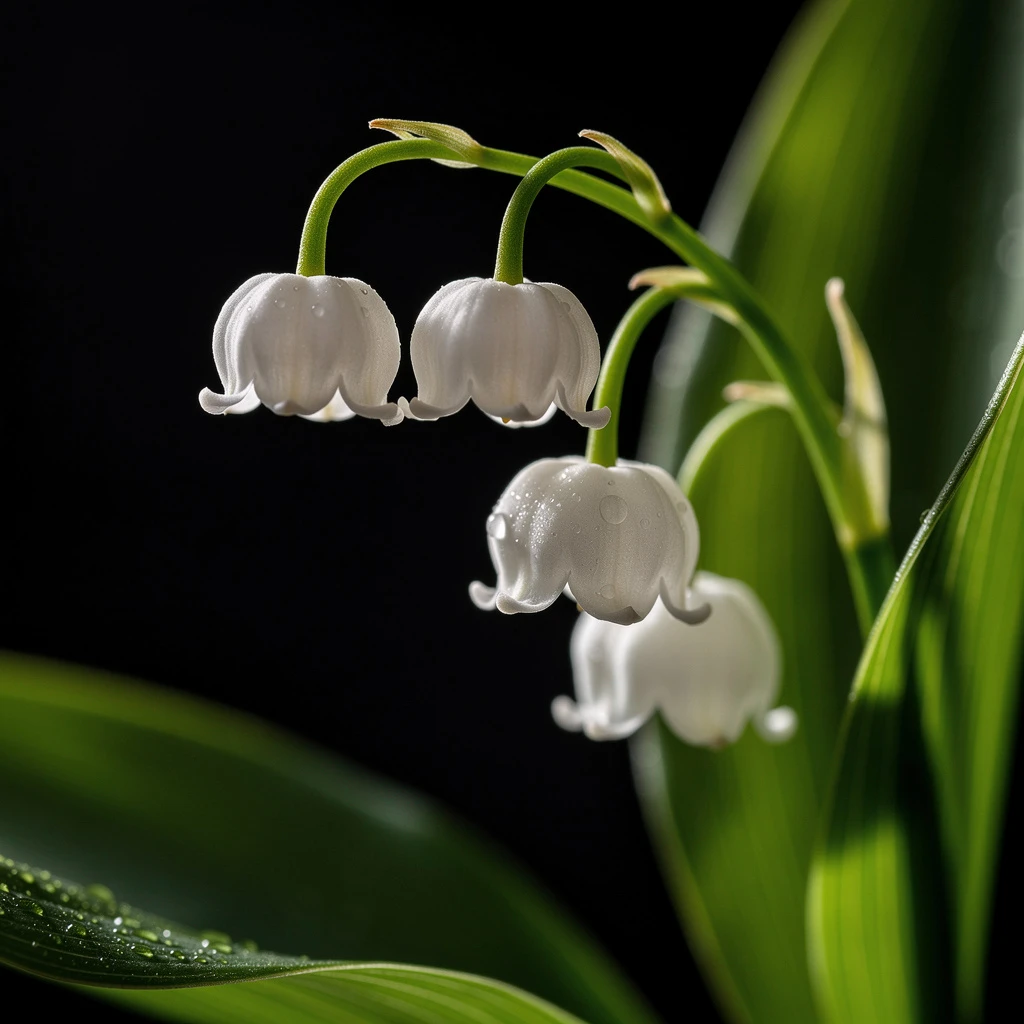
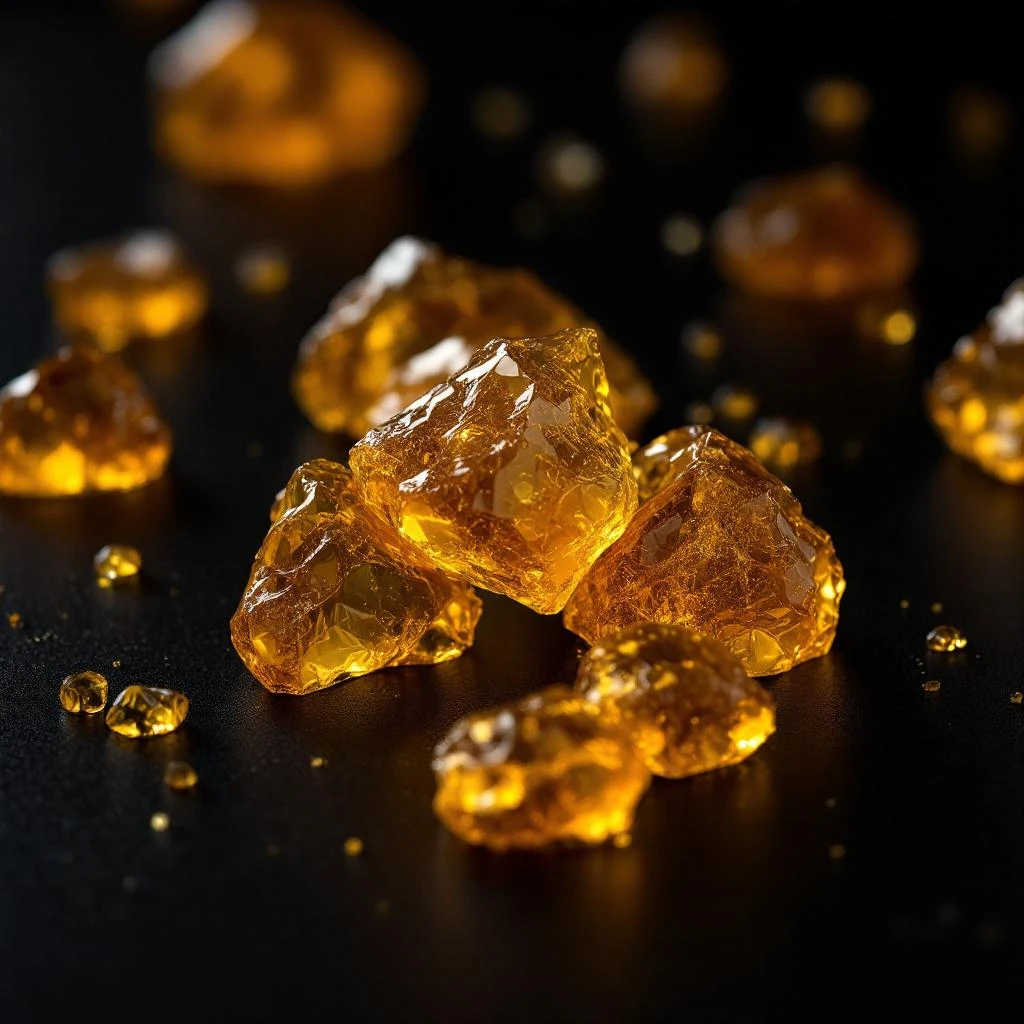
Wine Ether captures the lush, fermented warmth of aged wine in a single molecule. This synthetic aromatic conjures the velvety depth of a fine Bordeaux with subtle floral undertones, adding instant sophistication to fragrance compositions.
Character
How it smells
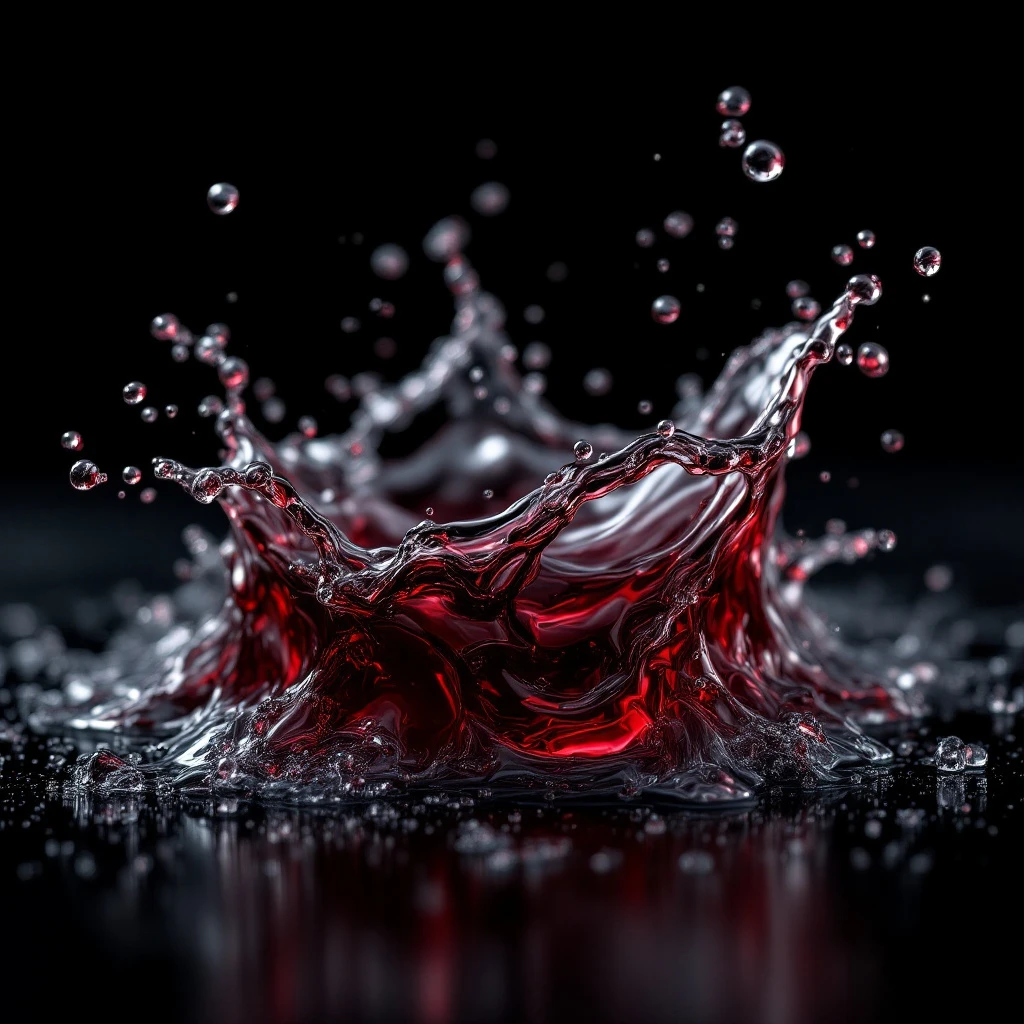
The essence of aged wine, distilled into one molecule.
A single drop of Wine Ether can evoke the complexity of an entire wine cellar. Perfumers value it for creating wine-like effects that would otherwise require aging actual vintages.

Origin
Switzerland
The quest to bottle wine's essence predates modern perfumery. Ancient civilizations perfumed their spaces with actual wine-soaked materials, seeking that intoxicating blend of fermented fruit and floral notes. The breakthrough came when organic chemists learned to construct wine-like aroma molecules from simpler starting materials.
Wine Ether emerged from this research, offering perfumers a reliable alternative to natural wine extracts, which were historically unstable and inconsistent. The 20th century fragrance industry embraced synthetic aromatics like Wine Ether, recognizing their role in creating distinctive signatures for luxury perfumes.
Wears it best
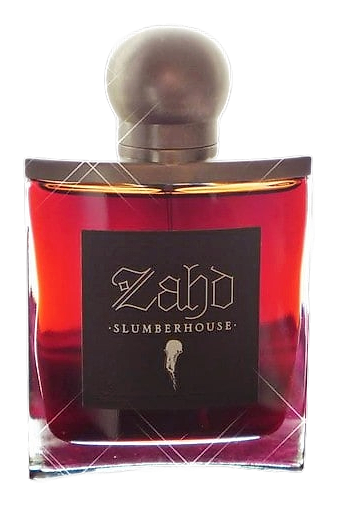
Fragrances featuring Wine Ether
Brands
Brands known for Wine Ether
Good to know
Questions, answered
The essentials on Wine Ether in perfumery: how it smells, where it comes from, and how it behaves on skin.
What does Wine Ether smell like?
Wine Ether smells like fermented grape notes with wine-like depth and subtle floral undertones. It combines fruity ester characteristics with warm, velvety qualities reminiscent of aged Bordeaux. The scent reads as sophisticated and slightly sweet.
Is Wine Ether natural or synthetic?
Wine Ether is entirely synthetic. Chemists create it through etherification of phenethyl alcohol, ensuring consistent quality and stable olfactory properties. This synthetic origin makes it reliably available for perfumery use.
Which perfumes commonly use Wine Ether?
Luxury houses use Wine Ether in Oriental and Floral compositions to add wine-like sophistication. It appears in fragrances designed to evoke warmth, complexity, and fermented fruit notes. Check specific perfume listings for actual ingredient disclosure.
How much Wine Ether do perfumers use?
Perfumers use Wine Ether at trace levels, typically below 5% of concentrate. Its concentrated nature means a little delivers significant impact. The molecule remains stable throughout fragrance development without fading.
What safety considerations exist for Wine Ether?
Wine Ether undergoes IFRA compliance testing like all synthetic aromatics. Certified safe concentrations exist for cosmetic use. Reputable fragrance houses follow established guidelines to ensure consumer safety.
Can Wine Ether replace actual wine in perfume?
Wine Ether captures wine's aromatic character without fermentation variables. Natural wine extracts vary by vintage, region, and aging. The synthetic delivers consistent results batch after batch.
What chemical family does Wine Ether belong to?
Wine Ether belongs to the aromatic ether family. Its molecular structure contains a phenyl ring attached to an ethyl chain with a methoxy group. This configuration creates its distinctive wine-like odor profile.
How does Wine Ether interact with other fragrance ingredients?
Wine Ether blends well with woody bases like sandalwood and cedar. It complements fruity notes and amplifies Oriental elements. The molecule acts as a bridge between sweet and fermented aroma categories.
In the same family