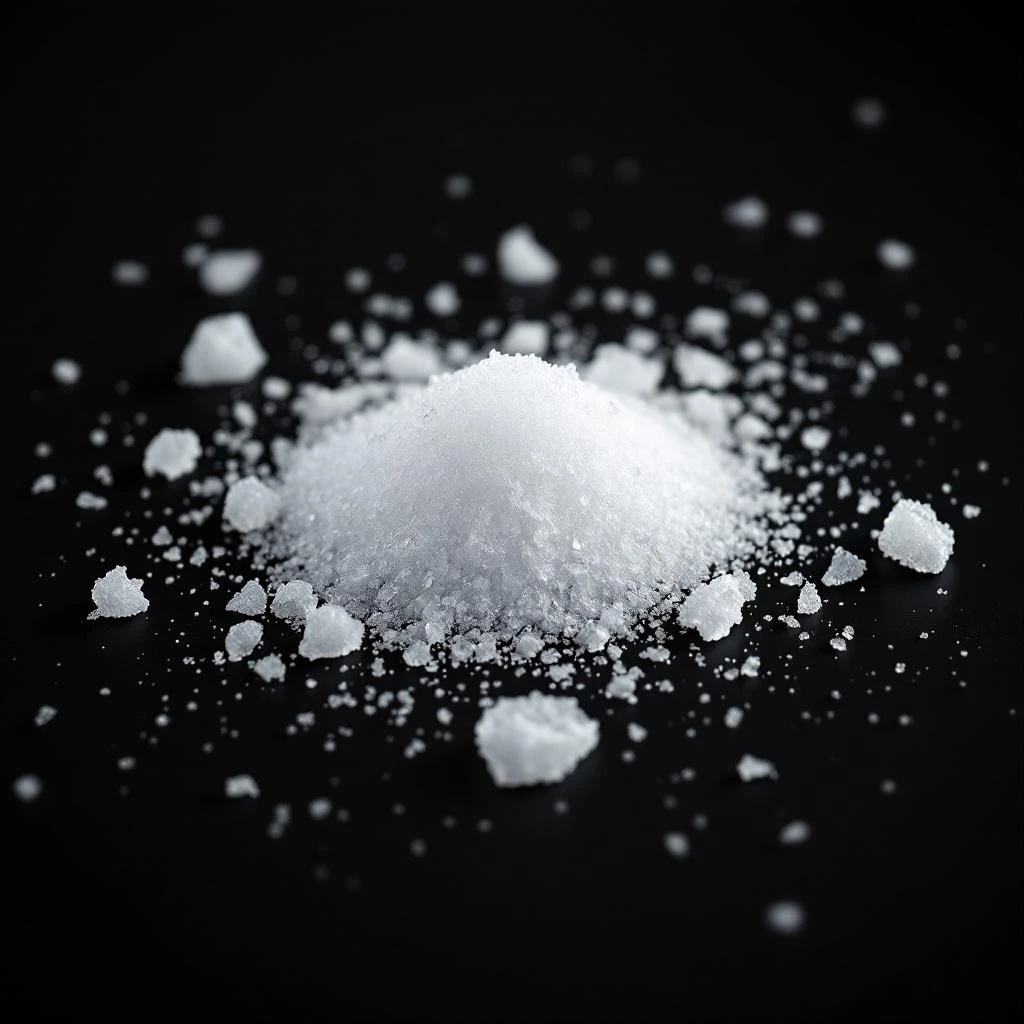
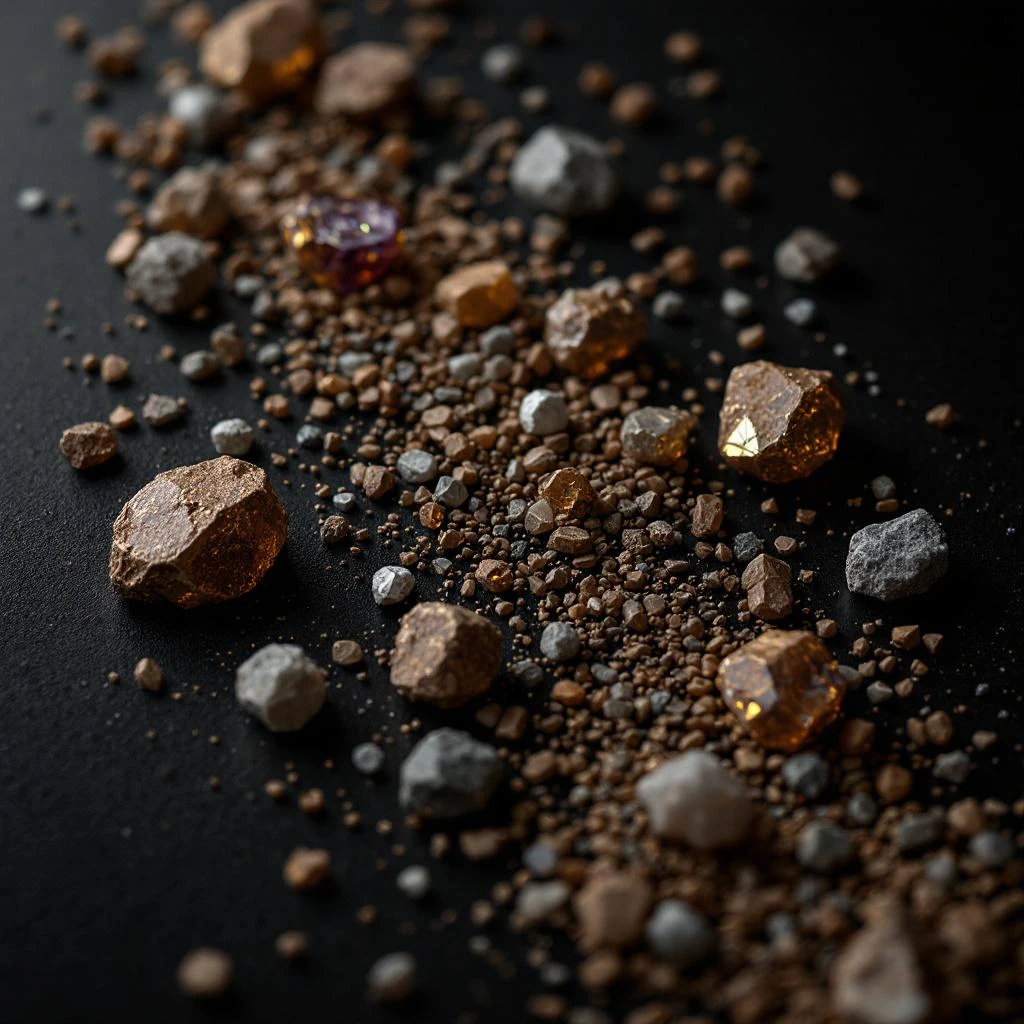
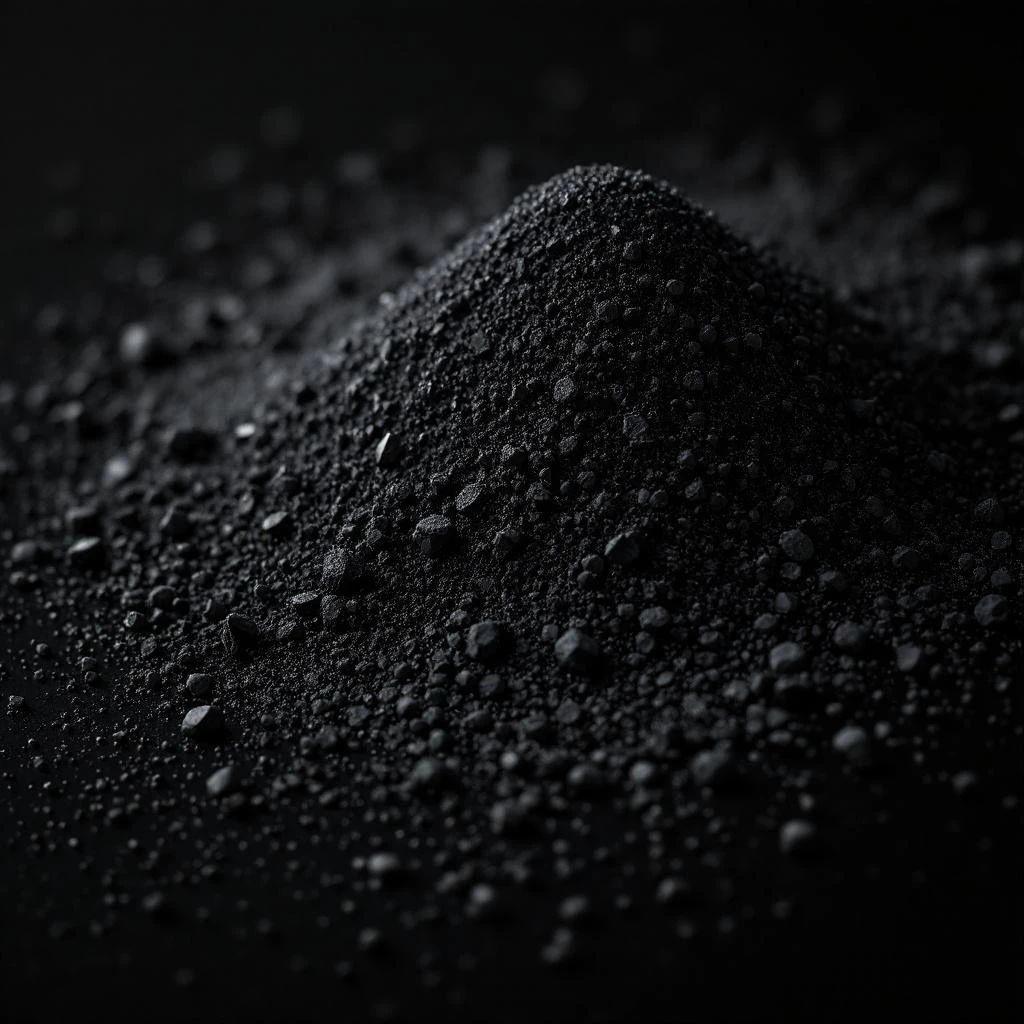
Stone Powder
Stone Powder in perfumery delivers an austere mineral quality that evokes sun-baked rocks and dry earth after rainfall. This unusual ingredient captures the沉默的质感 of geology underfoot, grounding compositions with its quiet, earthen authority.
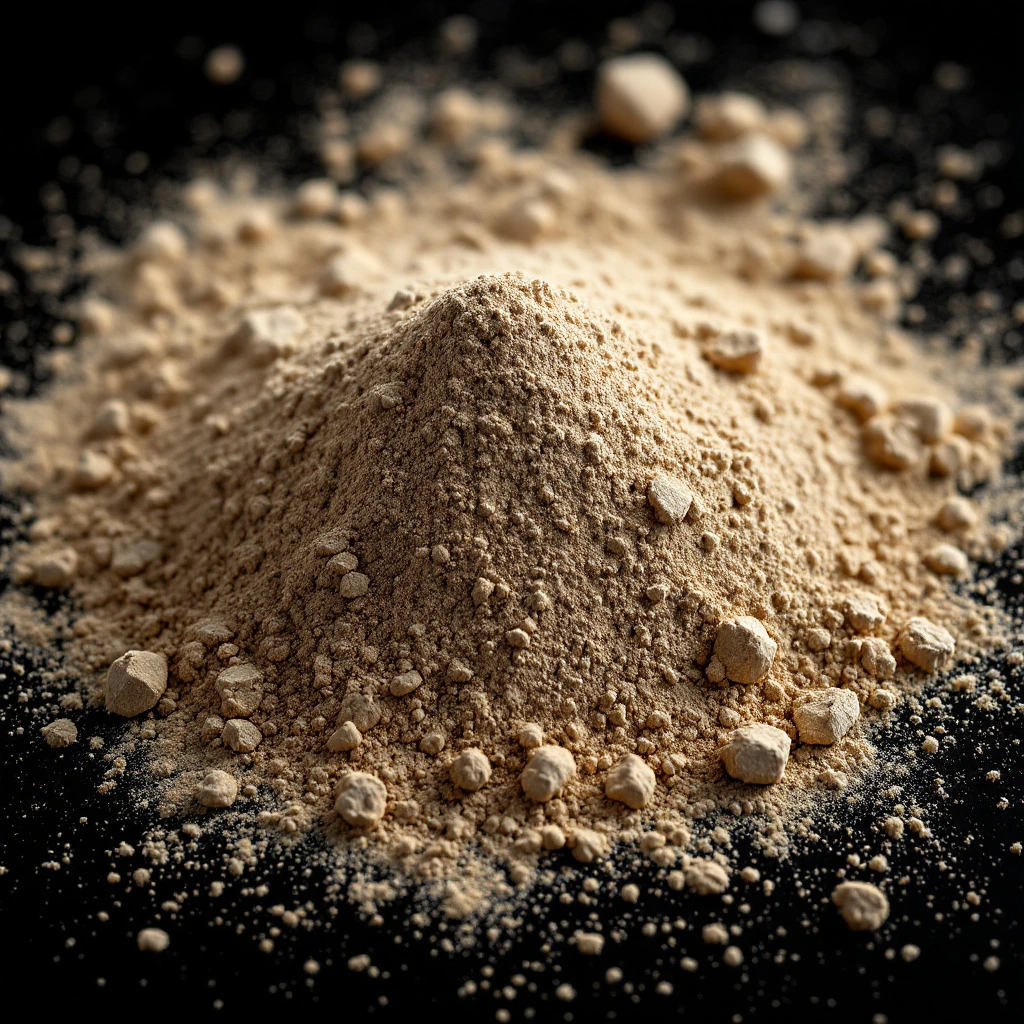
Character
How it smells
Austere minerality from sun-baked terrain.
Some perfumers source volcanic ash from Icelandic fields for its uniquely clean mineral profile.




Origin
Iceland
Mineral materials entered perfumery through ancient cultural practices involving earth and clay. Traditional societies across multiple continents used mineral-rich muds and earths for ceremonial and hygienic purposes.
Modern mineral notes emerged in the late twentieth century as perfumers sought unconventional materials to create distinctive fragrances. The trend toward geological and earthen accords accelerated in niche perfumery during the 2000s.
These materials respond to growing consumer interest in mineral, petrichor, and terroir-inspired fragrance concepts. Stone Powder embodies perfumery's ongoing exploration of non-botanical scent territories.
Wears it best
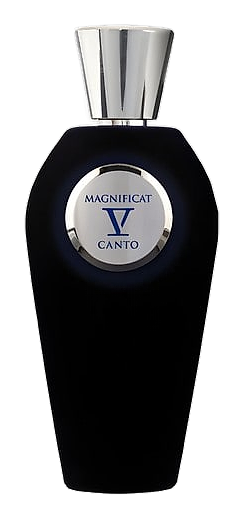
Fragrances featuring Stone Powder
Brands
Brands known for Stone Powder
Good to know
Questions, answered
The essentials on Stone Powder in perfumery: how it smells, where it comes from, and how it behaves on skin.
What does Stone Powder smell like?
Stone Powder delivers dry mineral character reminiscent of sun-warmed granite and chalky earth. It provides a clean, austere quality that grounds fragrance compositions with geological authenticity.
Is Stone Powder a natural or synthetic ingredient?
Stone Powder is a natural mineral material sourced from select geological deposits. Processing involves mechanical refinement rather than chemical synthesis.
Which fragrances feature Stone Powder?
Mineral and stone notes appear in numerous contemporary fragrances, particularly those marketed as 'petrichor' or 'terroir-inspired'. Check ingredient lists for specific fragrance availability.
What role does Stone Powder play in perfume composition?
Stone Powder functions as a fixative and base note material. It adds weight and longevity to mineral and aquatic accords while providing textural depth uncommon in botanical ingredients.
How is Stone Powder harvested?
Collectors gather mineral deposits from specific geological formations, then mechanically mill and purify the material. Source deposits determine the final product's mineral profile and olfactory characteristics.
Does Stone Powder have traditional perfumery uses?
Mineral materials lack the centuries-long history of botanical perfumery ingredients. Stone Powder represents a modern perfumery innovation responding to contemporary scent preferences.
Can Stone Powder be combined with other mineral notes?
Stone Powder pairs effectively with other mineral materials including certain clays, volcanic ash, and mineral salts. These combinations create layered geological accords.
Why do perfumers use mineral ingredients?
Mineral ingredients provide olfactory effects unavailable from botanical sources. They capture petrichor, dry earth, and geological character that plant materials cannot replicate.