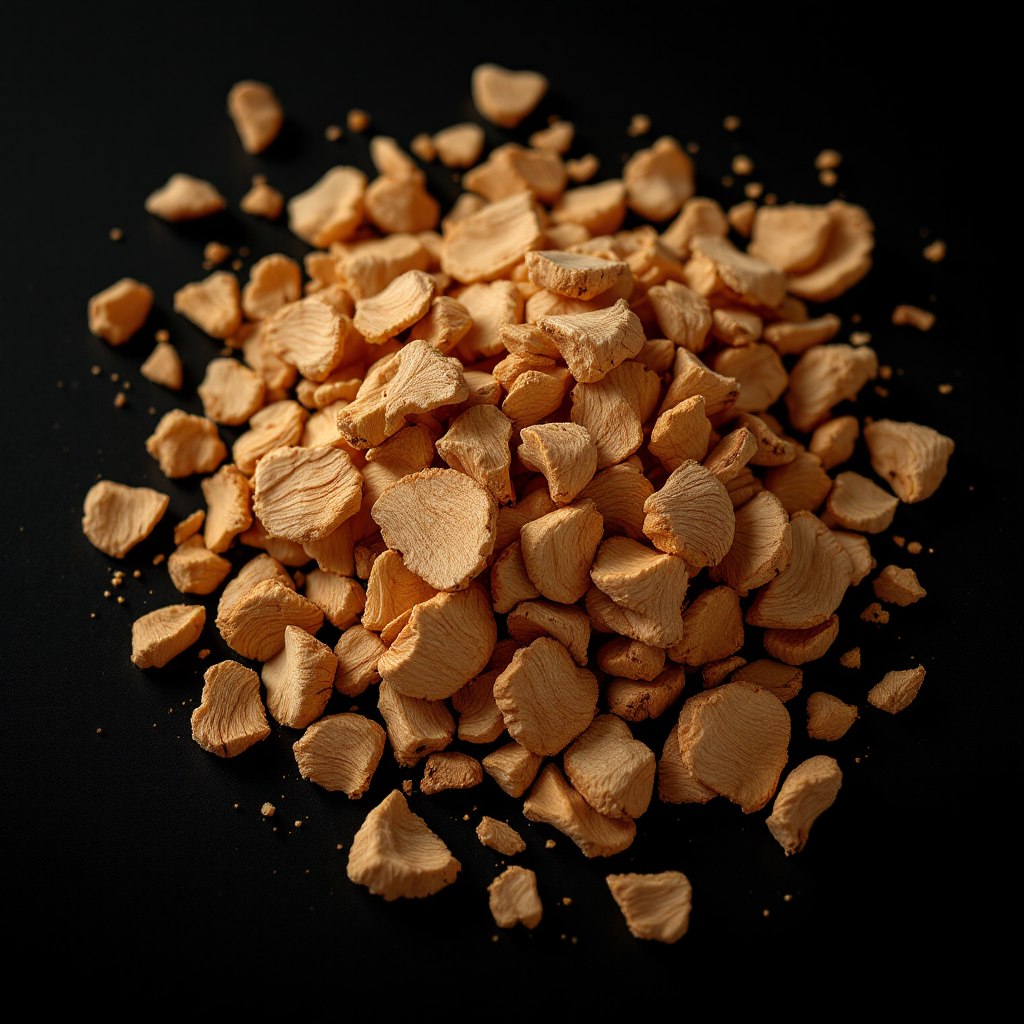
Slovene Oakmoss
Slovene oakmoss (Evernia prunastri) is a lichen harvested from oak forests in Slovenia's Alpine foothills. Its dark, phenolic profile forms the structural backbone of chypre fragrances—yet decades of regulation have reshaped how perfumers work with this ingredient.
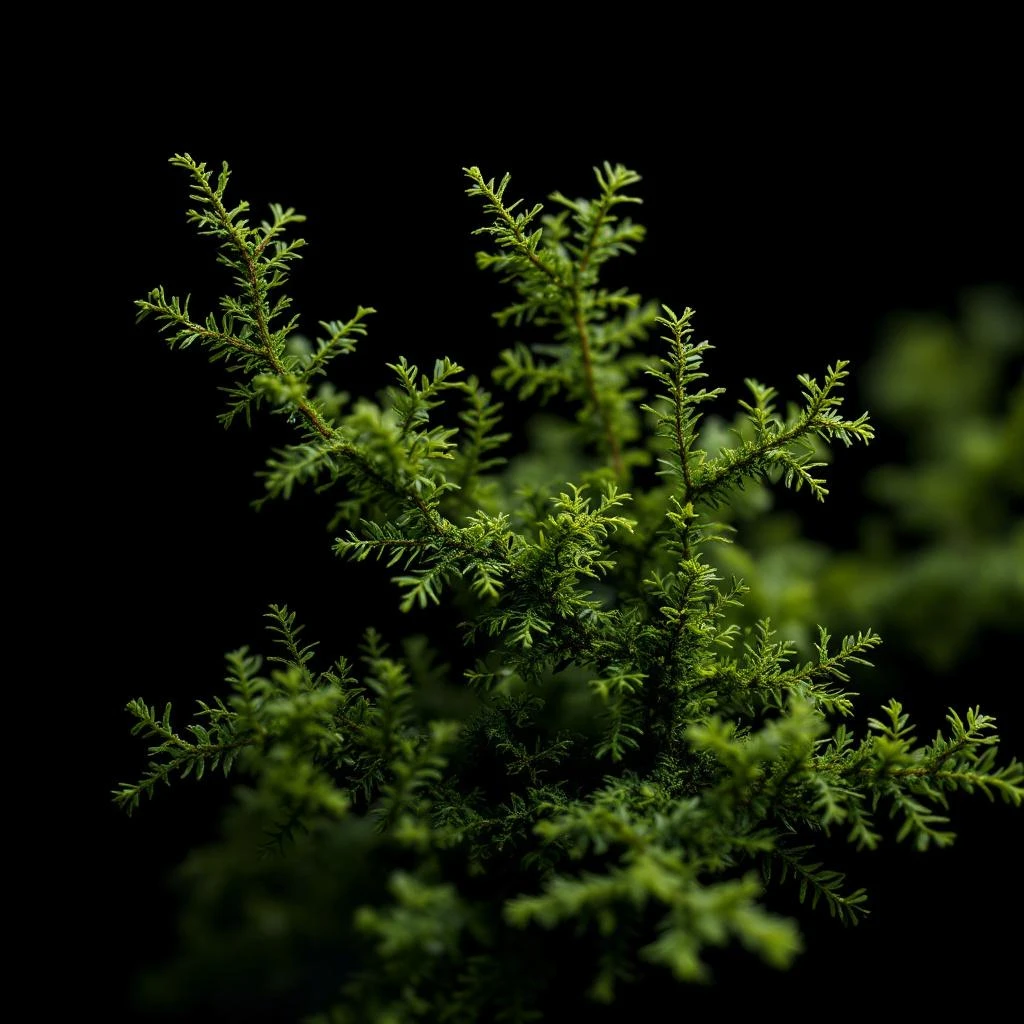
Character
How it smells
The mossy backbone of chypre perfumery, regulated but irreplaceable.
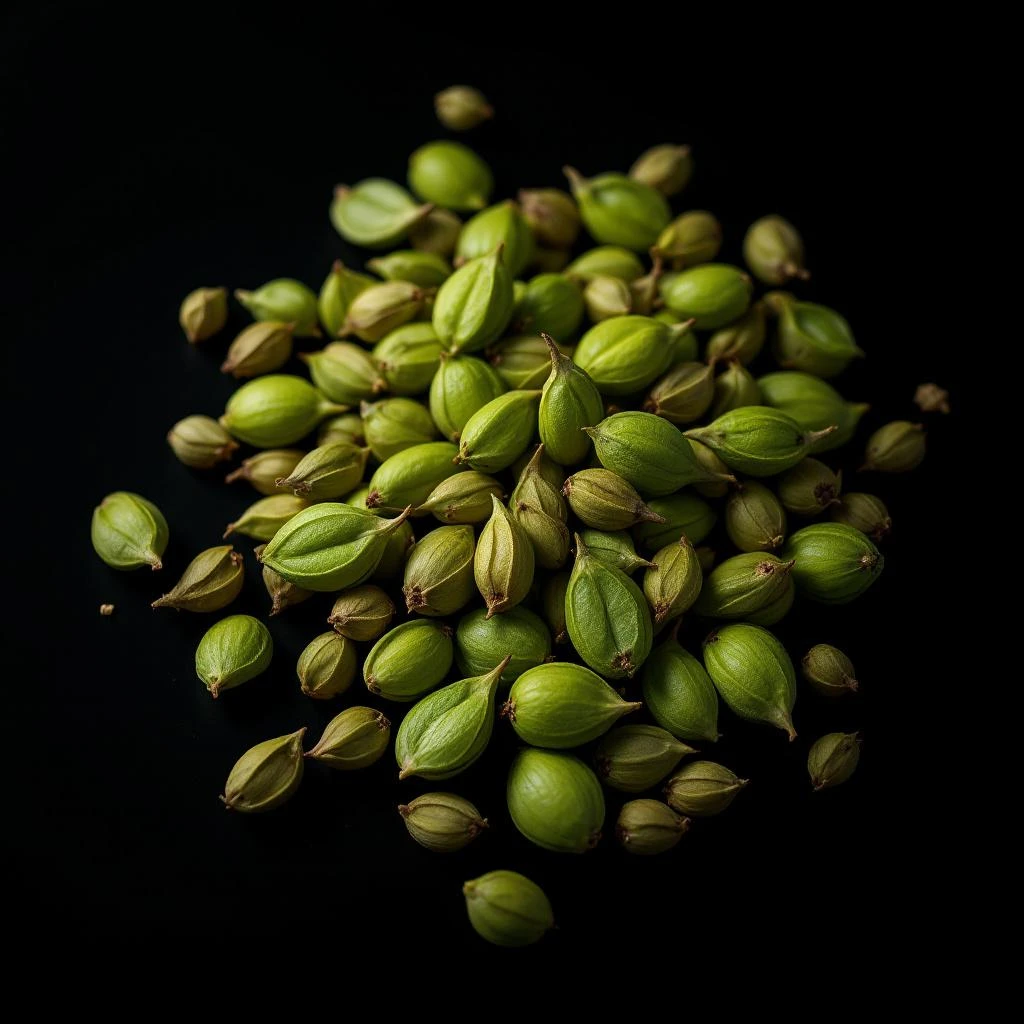
Slovenia's karst forests produce oakmoss that thrives in the pristine air required for this sensitive lichen to grow.






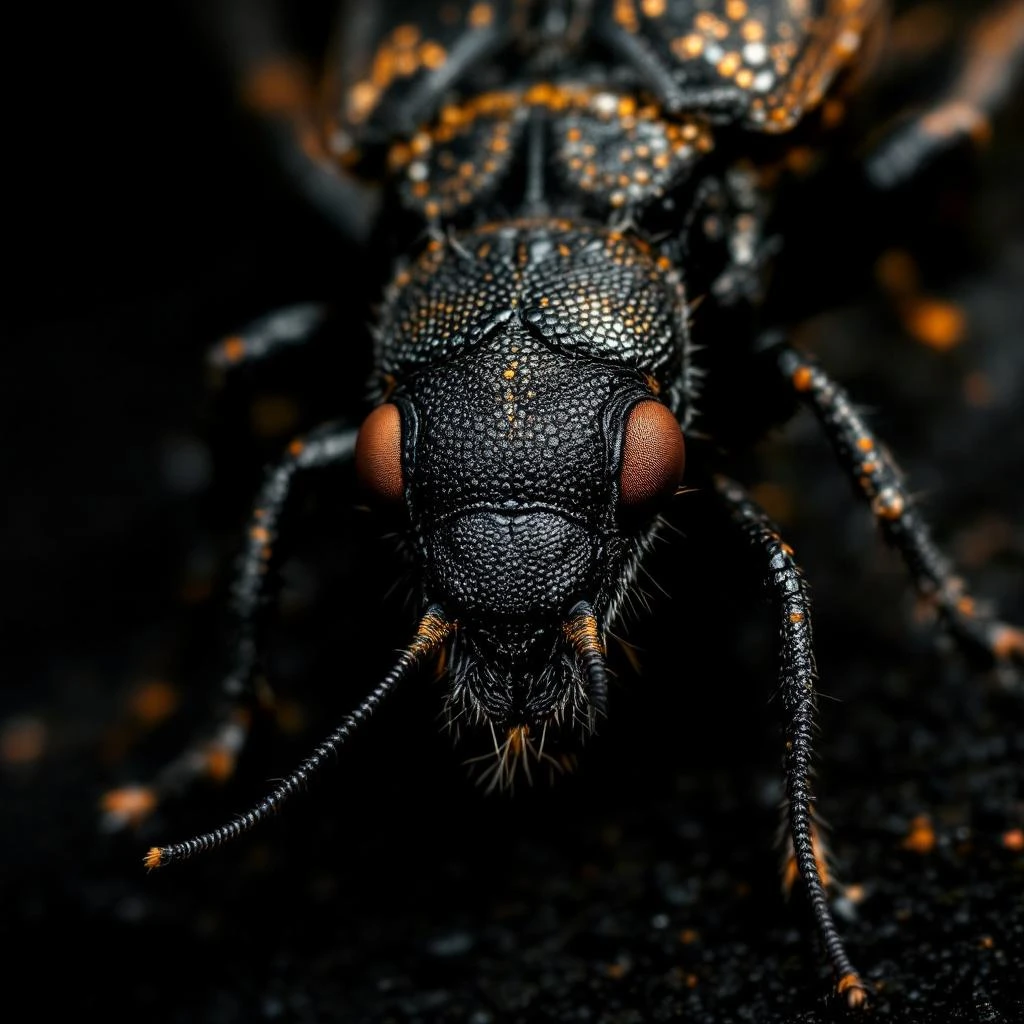
Origin
Slovenia
Oakmoss has perfumed human history longer than most ingredients in the modern palette. Baskets found in Egyptian royal tombs suggest possible use as early as 1500 BCE—whether for fragrance or sustenance remains debated. By Roman times, chypre-style blends incorporated styrax, calamus, and labdanum; medieval Europeans began adding oakmoss to burning pastilles.
The 1917 launch of François Coty's Chypre formalised the bergamot-moss-labdanum triangle that defined an entire fragrance family. Slovenian oakmoss, growing in the clean Alpine air of karst forests, became particularly prized among Balkan harvests that fed Grasse's processing houses—supplying the raw material for some of the world's most iconic fragrances.
Wears it best
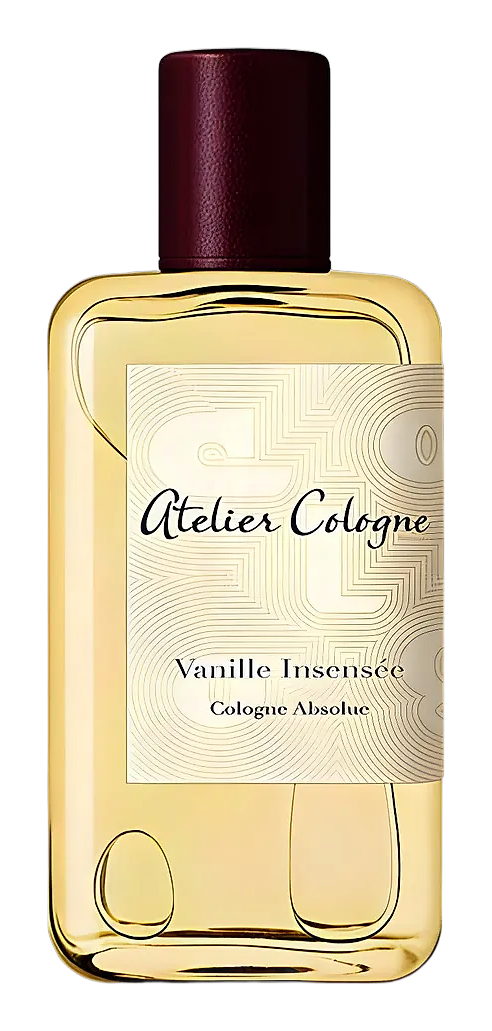
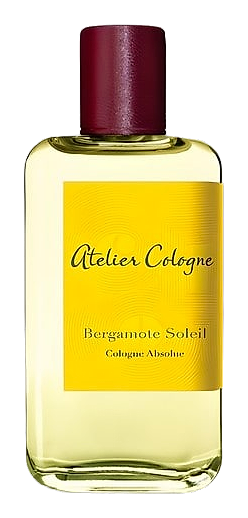
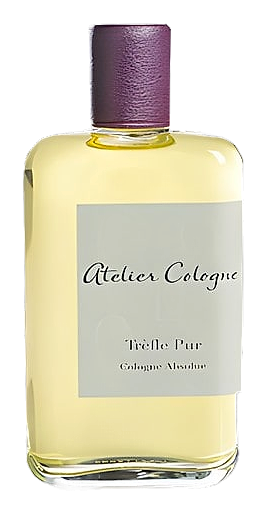
Fragrances featuring Slovene Oakmoss
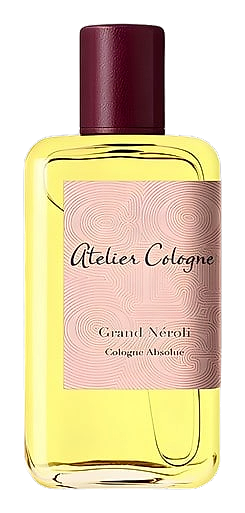
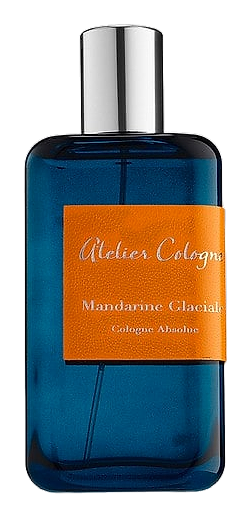
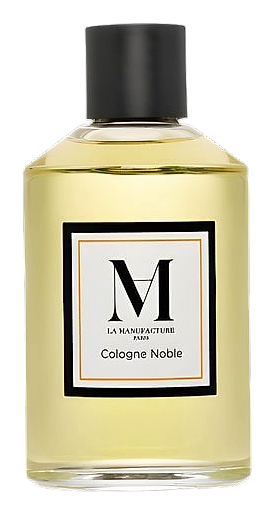
Brands
Brands known for Slovene Oakmoss
Good to know
Questions, answered
The essentials on Slovene Oakmoss in perfumery: how it smells, where it comes from, and how it behaves on skin.
What is oakmoss?
Oakmoss is a lichen, not a true moss—botanically Evernia prunastri, a symbiotic organism pairing fungus with algae. It colonises oak bark across the northern hemisphere's temperate forests.
Where does Slovene oakmoss grow?
In Slovenia's karst and Alpine foothills, where clean air and oak forests create ideal conditions. The lichen only thrives in unpolluted environments, making remote forest locations essential.
What does oakmoss smell like?
Dark, damp, phenolic. The scent sits closer to wet tree bark than anything floral—earthy, slightly marine-iodine, with a persistent bitter-green bitterness that dries into long-lasting mossy-woody warmth.
Why is oakmoss restricted in perfumery?
EU Regulation 2017/1410 banned atranol and chloroatranol—sensitising compounds formed during extraction—in finished cosmetic products from August 2019. This reduced permissible use to trace amounts in skin-applied perfumes.
How do perfumers work around oakmoss restrictions?
Fractionation removes the sensitisers, but creates an olfactory gap. Guerlain's Thierry Wasser famously plugged this void in Mitsouko with celery seed, restoring the fragrance while complying with current regulations.
What is Veramoss?
Veramoss (IFF) and Evernyl (Givaudan) are isolated oakmoss constituents—specifically methyl β-orcinol carboxylate, representing 35–52% of the volatile fraction. They provide the character note without the restricted sensitisers.
What fragrances showcase oakmoss?
The chypre family rests on oakmoss: Coty's Chypre (1917), Guerlain's Mitsouko, Chanel's Coco Mademoiselle. Fougère fragrances like Coty's蓬La Rose also depend on its structural depth.
Is Slovene oakmoss sustainably harvested?
Slovenia exports raw lichen to Grasse for processing. Selective harvesting preserves the symbiotic organism's ability to regenerate, though clean-air dependency makes long-term supply contingent on forest health.