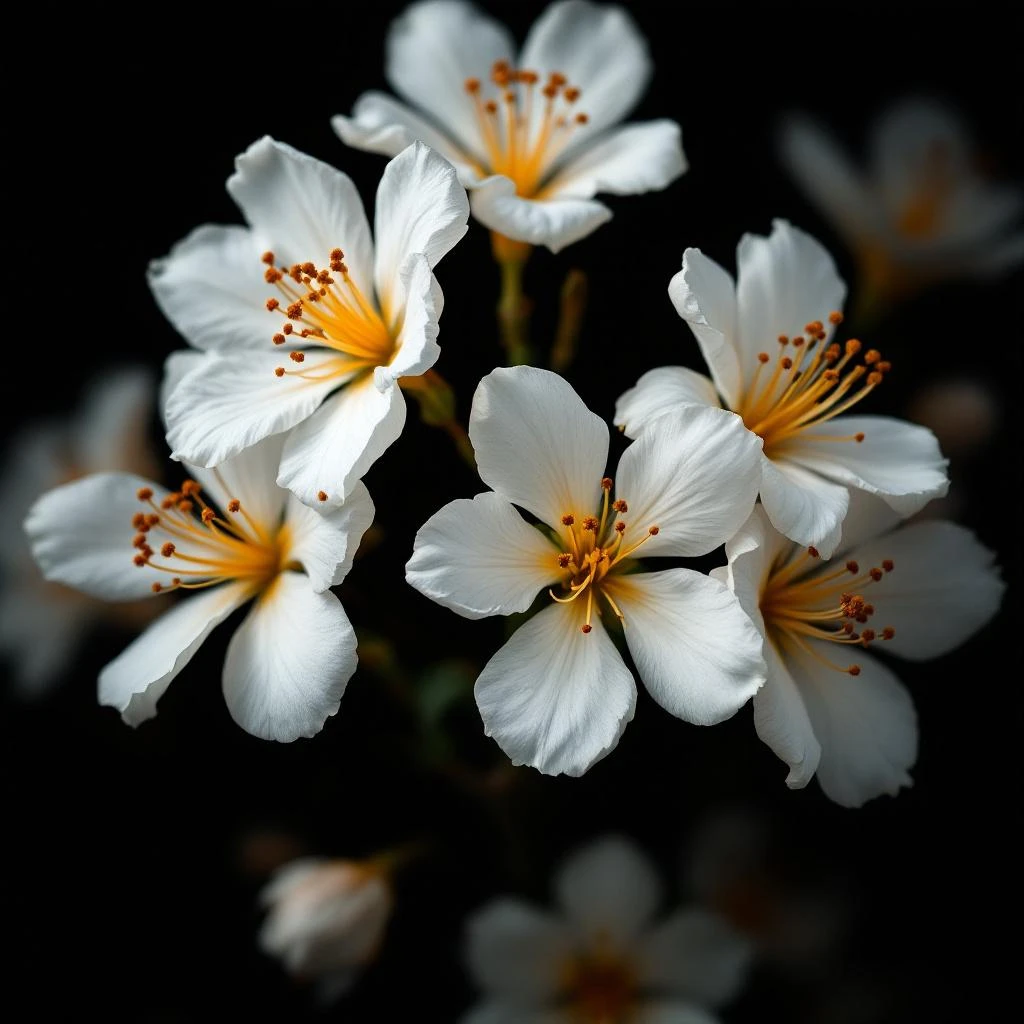
Sichuan Bergamot
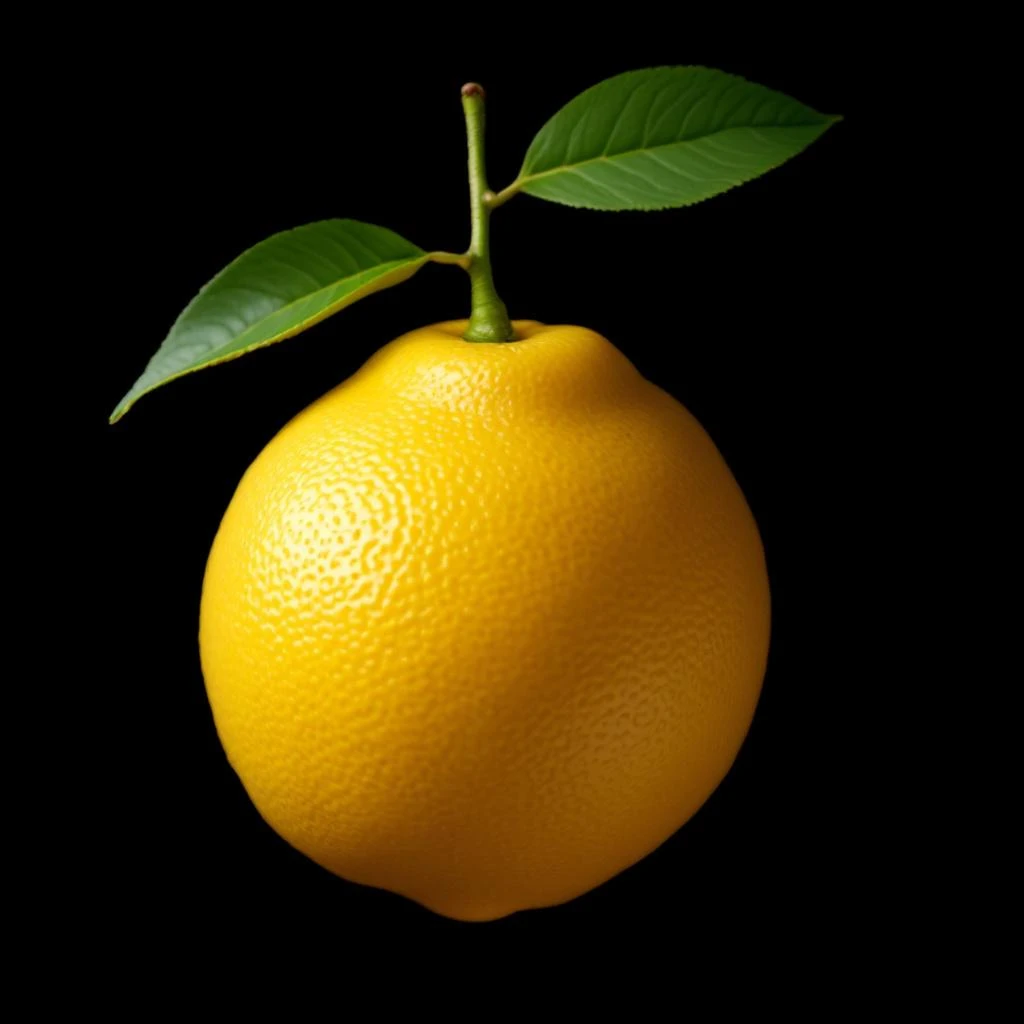
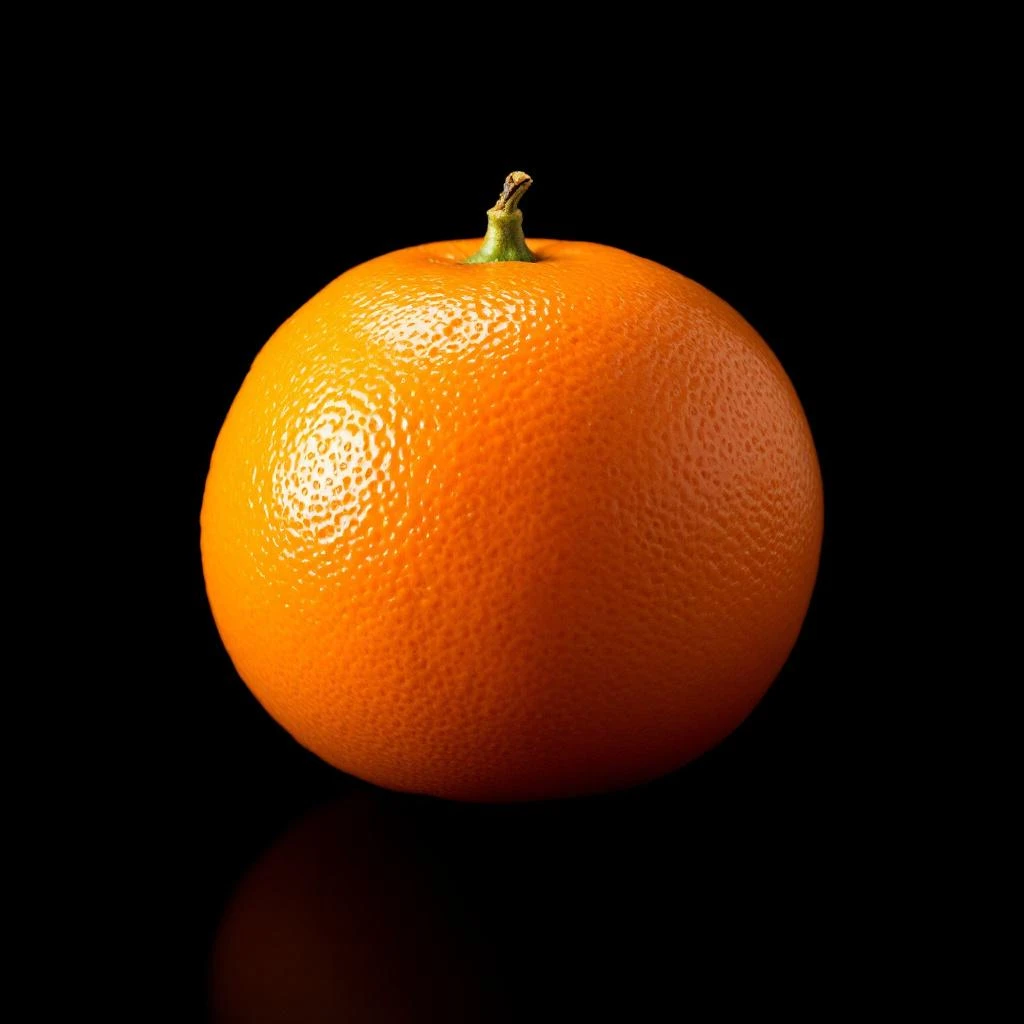
Sichuan Bergamot fuses the bright, sparkling citrus of Italian bergamot with the aromatic, faintly numbing warmth of Chinese Sichuan pepper. This bold accord bridges East and West, delivering an unexpected freshness that awakens the senses.
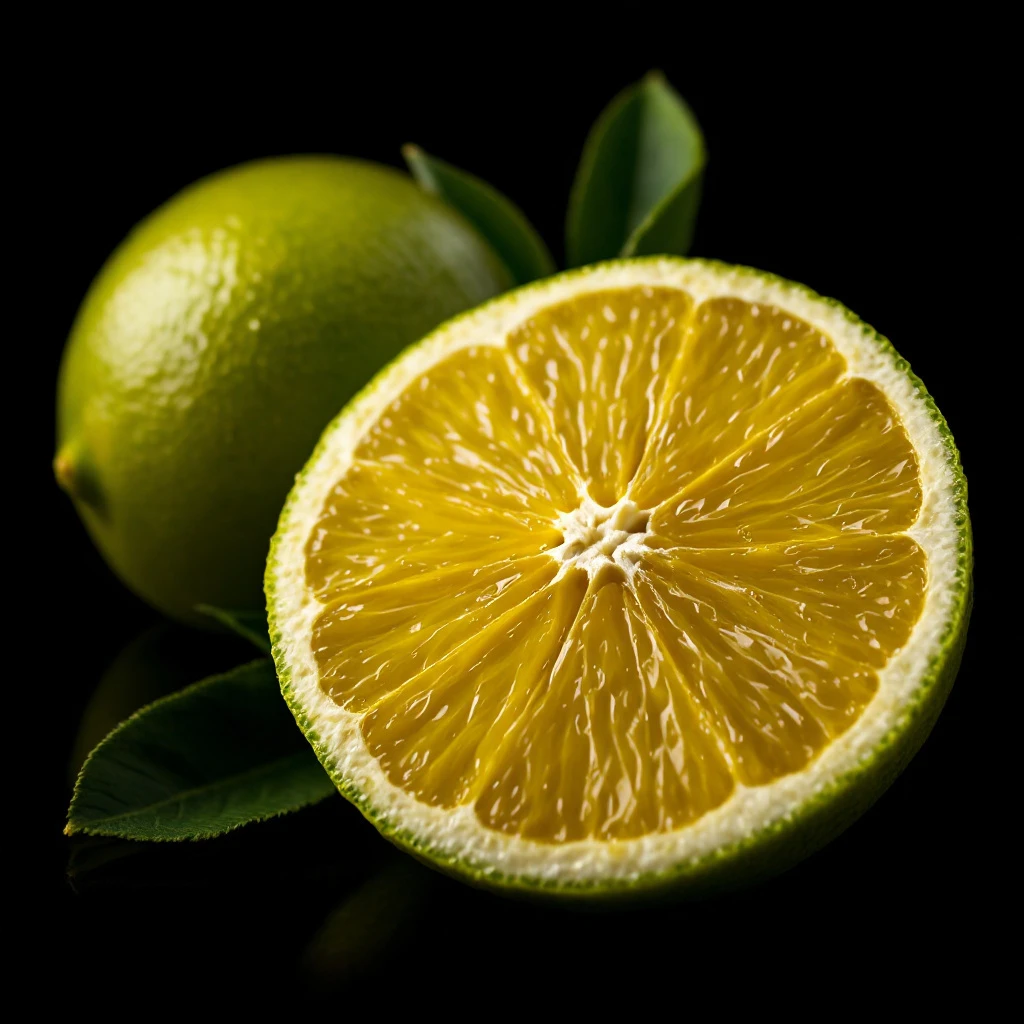
Character
How it smells
Citrus fire meets Alpine brightness.
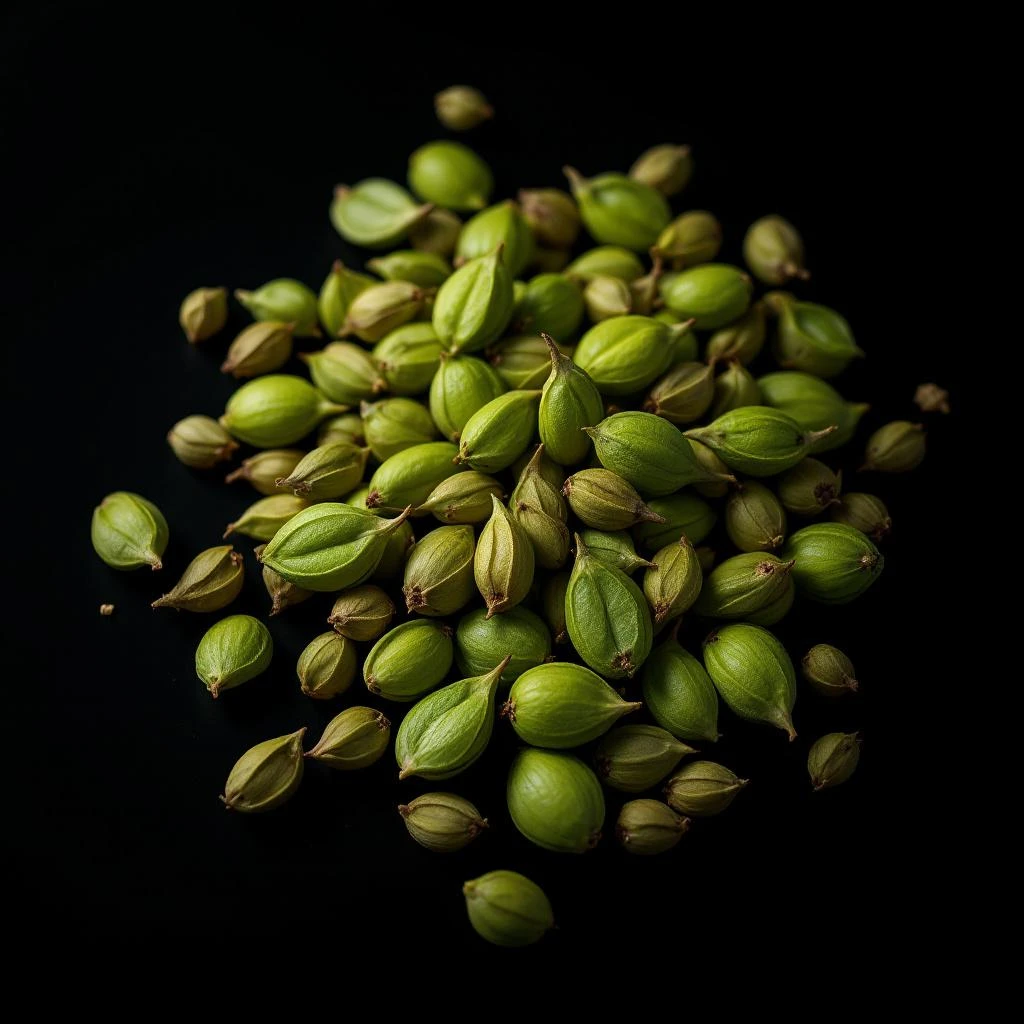
Sichuan pepper contains hydroxy-alpha-sanshool, the compound that creates its signature tingling sensation on the palate and skin.




Origin
Multi-origin: Italy and China
Bergamot traces its roots to Southeast Asia, where all citrus species originated, before traveling westward to become a prized crop in Calabria, Italy. The region of Reggio Calabria remains the world's primary source of true bergamot oil, with a cultivation history spanning several centuries. Sichuan pepper, meanwhile, has been central to Chinese cuisine for over two millennia, particularly in the fiery cooking of its namesake province.
The spice's aromatic qualities were documented in classical Chinese texts, though its use in perfumery is a more recent development. The fusion of these two geographically distant ingredients reflects modern perfumery's embrace of cross-cultural sourcing. This accord draws from two distinct aromatic traditions: the Mediterranean citrus heritage of Italian perfumery and the bold, aromatic sensibility of Sichuan cuisine.
Together, they create something neither could achieve alone.
Wears it best
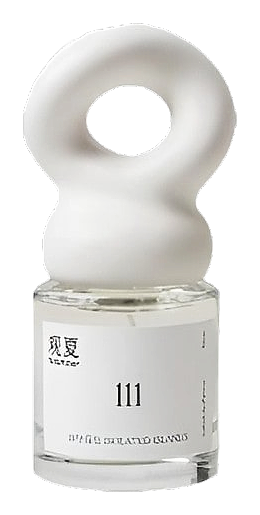
Fragrances featuring Sichuan Bergamot
Brands
Brands known for Sichuan Bergamot
Good to know
Questions, answered
The essentials on Sichuan Bergamot in perfumery: how it smells, where it comes from, and how it behaves on skin.
What does Sichuan Bergamot smell like?
Sichuan Bergamot opens with bright, sparkling citrus that reads as true bergamot before revealing warm, aromatic undertones with a faintly numbing quality. The effect is fresh yet provocative, like biting into a citrus fruit seasoned with Sichuan pepper.
Where does Sichuan Bergamot originate?
Sichuan Bergamot is a modern perfumery accord combining bergamot from Calabria, Italy, with Sichuan pepper from Sichuan Province, China. The fusion reflects contemporary perfumery's cross-cultural approach to ingredient sourcing.
Is Sichuan Bergamot natural or synthetic?
Sichuan Bergamot is a constructed accord that combines natural bergamot oil, cold-pressed from Calabrian fruit peel, with natural Sichuan pepper oil. Supporting synthetics may reinforce specific facets, but the accord centers on authentic botanical materials.
What fragrance families pair well with Sichuan Bergamot?
Sichuan Bergamot excels in aromatic, citrus, and fougère compositions. It adds unexpected warmth to fresh colognes and provides a bridging element between bright top notes and spiced heart notes in oriental fragrances.
How does Sichuan Bergamot differ from regular bergamot?
Standard bergamot offers clean, floral citrus. Sichuan Bergamot layers this brightness with aromatic, slightly numbing warmth from Sichuan pepper, creating a more complex, provocative character that sets it apart from conventional citrus notes.
What is the historical significance of bergamot in perfumery?
Bergamot became essential to perfumery in the 17th century when Grasse tanners discovered its oil masked leather odors. By the 18th century, it was a cornerstone of Eau de Cologne, and today it remains one of the most recognizable top notes in Western perfumery.
Why combine Sichuan pepper with bergamot?
The pairing bridges two aromatic traditions: Mediterranean citrus heritage and Sichuan cuisine's bold sensibility. The result is a fresh, sparkling note with unexpected warmth that adds dimension without overwhelming a composition.
What volume of bergamot yields one kilogram of essential oil?
Producing one kilogram of bergamot oil requires approximately 200 kilograms of fruit peel. This ratio explains bergamot's premium positioning among citrus materials and its significant role in fragrance costing.