Siberian Fir
Siberian fir captures the crisp air of Russian taiga forests in a single note. Its fresh, balsamic character brings the clarity of evergreen needles and subtle sweetness to fragrance compositions.
Character
How it smells
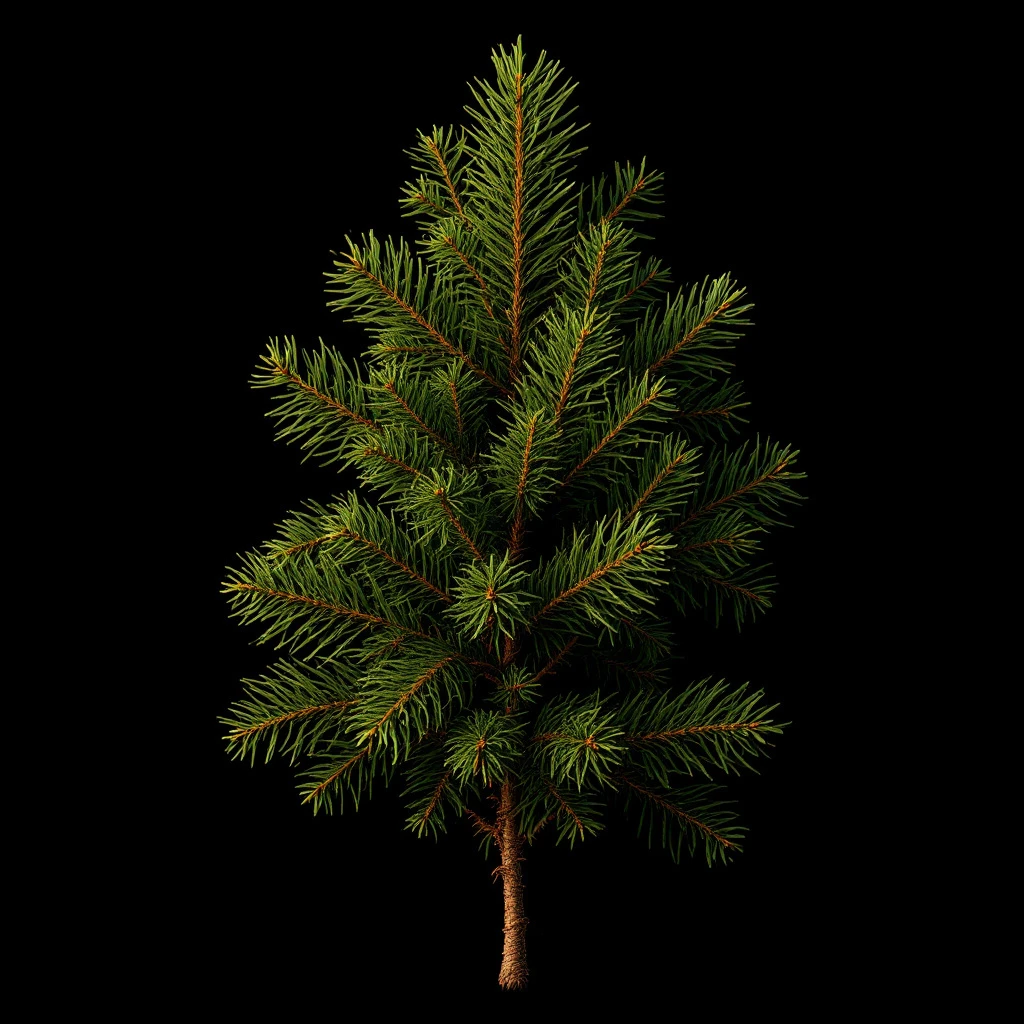
Crisp evergreen from the Russian wilderness
Russia produces approximately 50 tonnes of Siberian fir essential oil annually, making it one of the world's most significant sources of this aromatic material.




Origin
Russia
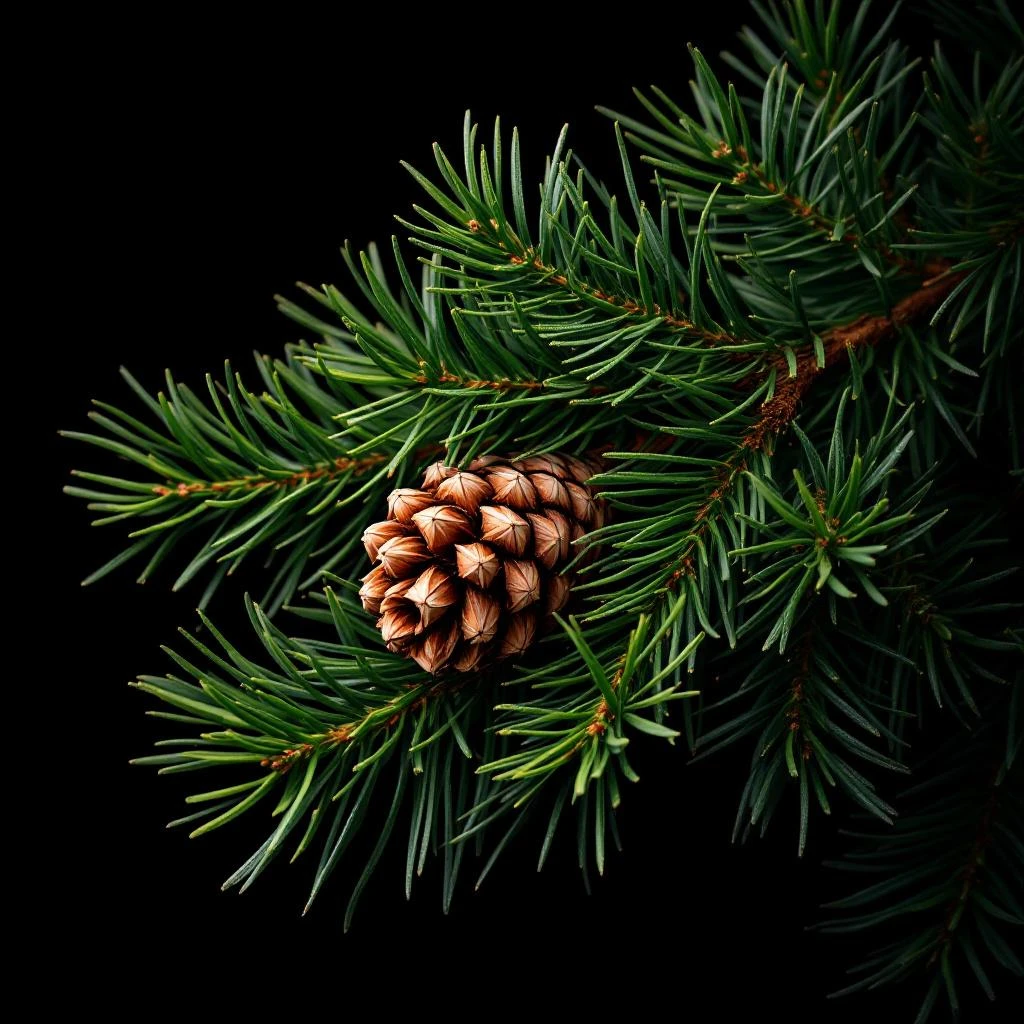
Siberian fir has deep roots in Russian forest culture, where coniferous trees hold spiritual and practical significance. For centuries, indigenous peoples of Siberia used fir needles in ceremonial practices and traditional remedies.
The tree thrives across Russia's mountainous and northern regions, forming vast ecosystems that stretch across the taiga. Interest in fir needle oil as a commercial fragrance ingredient grew during the 19th century as perfumers began systematically sourcing aromatic materials from around the world.
The coniferous forests of Russia became a prized source, and production expanded to meet demand from European fragrance houses. Today, Siberian fir remains a staple in woody and fresh fragrance compositions, valued for its ability to evoke forest atmospherics with remarkable authenticity.
Wears it best
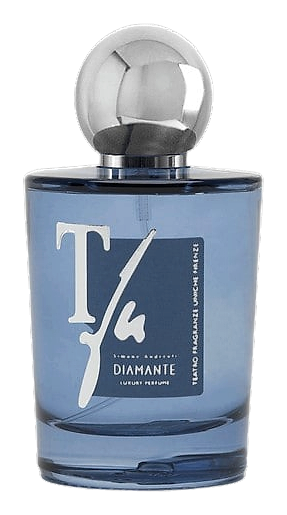
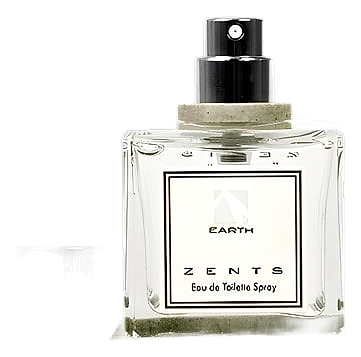
Fragrances featuring Siberian Fir
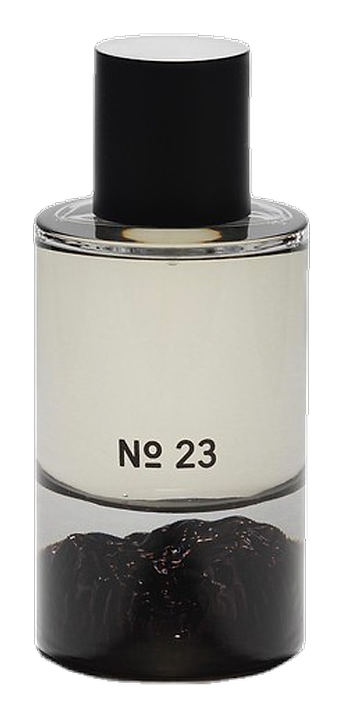

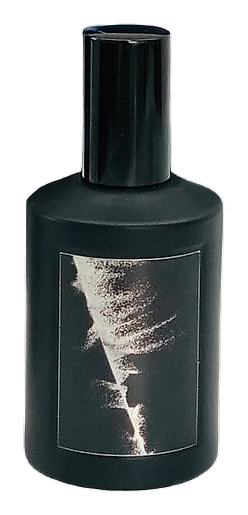
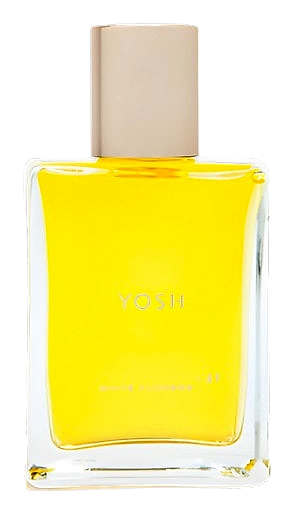
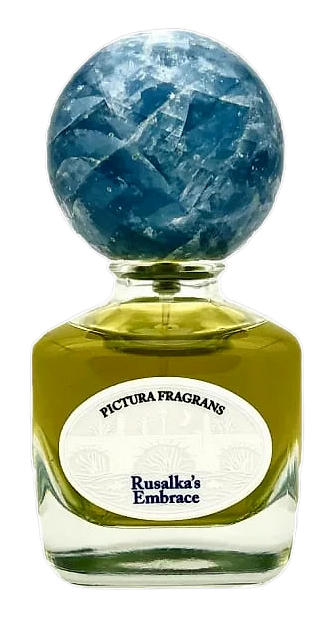
Brands
Brands known for Siberian Fir
Good to know
Questions, answered
The essentials on Siberian Fir in perfumery: how it smells, where it comes from, and how it behaves on skin.
What does Siberian fir smell like?
Siberian fir has a fresh, balsamic scent with sweet undertones and a crisp pine character. It evokes clean forest air and works as a top note that immediately announces evergreen clarity.
Where does Siberian fir come from?
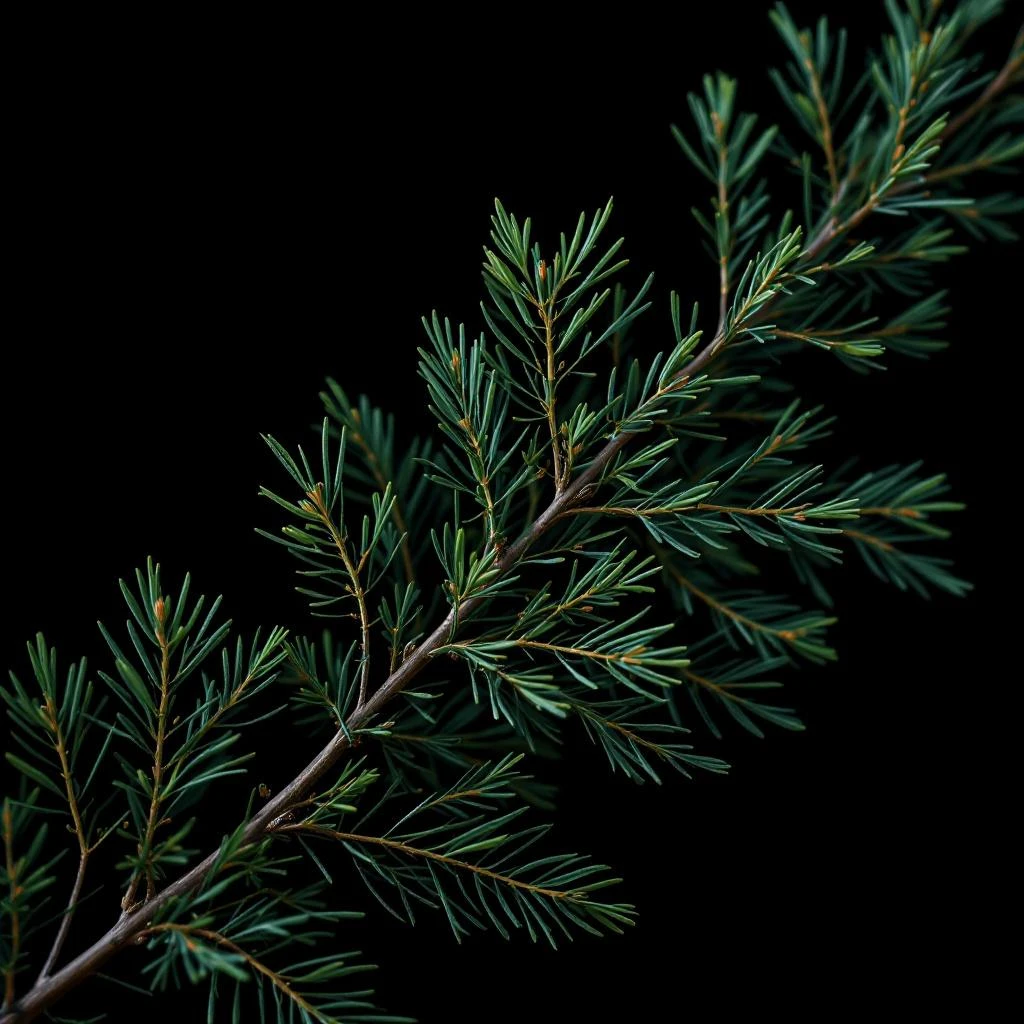
Siberian fir originates from Russia's mountainous and northern regions, where Abies sibirica grows abundantly across the taiga. Kazakhstan and Finland also produce significant quantities.
How is Siberian fir oil extracted?
Steam distillation extracts the oil from harvested twigs and needles. Superheated steam releases aromatic compounds, which condense and separate into essential oil and hydrosol.
Is Siberian fir oil natural or synthetic?
Siberian fir oil is a natural ingredient obtained from Abies sibirica through steam distillation. No synthetic equivalent fully replicates its complex aromatic profile.
What fragrances use Siberian fir?
Siberian fir appears in many woody, fresh, and fougere-style fragrances. It pairs well with oakmoss, citrus, and other coniferous materials like cedar and pine.
How long has Siberian fir been used in perfumery?
Commercial use of Siberian fir in perfumery dates to the 19th century when European fragrance houses began systematically sourcing aromatic materials globally.
What parts of the fir tree are used for oil?
Producers distill the twigs and needles of Abies sibirica. The needles contain the highest concentration of aromatic compounds, giving the oil its characteristic fresh, pine character.
Does Siberian fir have traditional uses beyond perfumery?
Indigenous peoples of Siberia traditionally used fir needles in ceremonial practices and folk remedies. The botanical has also served purposes in traditional medicine and ritual incense.