The Story
Why it exists.
The beginning
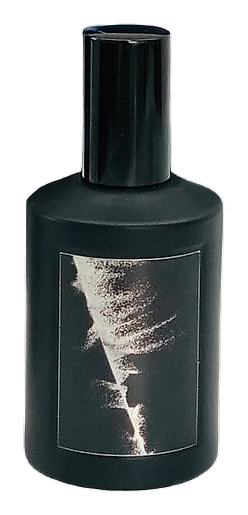
Flóð was created for FLÓÐ, a spatial scent, sound, and light sculpture by Jónsi. Displayed at the Reykjavik Art Museum, the installation turns the ocean into a meditation on force and aftermath. Rising seas, flooding, intensified storms. The installation submerges almost everything, leaving only chimney tops and statue heads above water, ship horns echoing in the silence. The fragrance draws from this world of overwhelming water, translating oceanic weight into scent. There's a mineral quality present, the kind that settles on surfaces when large bodies of water recede, something that speaks to aftermath and what remains.
Geosmin is the tell. That's the compound that makes wet earth smell like itself, the petrichor note, the scent of soil after rain, of stone that holds moisture. Geosmin anchors the oceanic and conifer notes, giving the composition its mineral depth and earthiness. Combined with Siberian fir and seaweed, the fragrance builds a tension between conifer and ocean that becomes its defining characteristic. The Ambroxan in the base provides a woody-amber quality, a bridge between aquatic and terrestrial elements that gives the composition its lasting presence.
The evolution
The opening arrives transparent and ozonic. Air accord, nothing more. Then the geosmin and kelp emerge with a mineral intensity that reads as both marine and slightly animalic. The seaweed note in particular has a vegetal, oceanic character that distinguishes this from typical aquatic fragrances. The Siberian fir and pine tree notes become apparent as the composition develops, grounding the composition in conifer depth. The Ambroxan provides a woody-amber bridge between aquatic and terrestrial. As the fragrance settles, the composition becomes mineral and intimate. The salt and geosmin linger, like residue left on stone after the tide retreats. Not quite sweet. Not quite clean. Something more elemental.
Cultural impact
Flóð exists at the intersection of contemporary art and fragrance design. Created by Jónsi as part of a spatial installation at the Reykjavik Art Museum, the fragrance translates ocean aftermath into scent. This release extends an artistic practice into olfactory form, using fragrance as a medium for exploring themes of nature, aftermath, and transformation.